Homicide Cleanup articles and resources
Deeper reads on scope, safety, insurance and hiring, written for property owners.
Articles on the family and landlord side of a homicide. Topics include release timing, belongings, privacy, compensation programs, disclosure, and renting a unit again.
Get an email reply about homicide cleanup
Send a short message to the follow-up inbox. A coordinator can reply by email. This form does not send emergency help; call 911 first if anyone is in danger.
Browse homicide cleanup articles

Evidence-led educational articles about homicide cleanup. Stay informed about safety standards, best practices, and what to expect from professional remediation.
What to Expect During Professional Homicide Cleanup
What families can expect when a professional team cleans a home after a homicide: release, assessment, belongings, containment, verification...
The Science Behind Homicide Cleanup
The science of homicide cleanup: why scenes reach farther than they look, how evidence holds change the chemistry, and how crews verify a ho...
How Long Does Homicide Cleanup Take?
Why homicide cleanup timelines stretch or shrink: investigation holds, how far material spread, subfloor damage, odor, belongings and paperw...
How to Evaluate Equipment Proposed for Homicide Cleanup
What to look for in the equipment a homicide cleanup provider proposes, from protective gear and structural tools to disinfectants, sealers ...
DIY vs Professional Homicide Cleanup: The Critical Differences
Why families should hand homicide cleanup to trained crews: hidden spread, bloodborne risk, evidence questions, waste rules, records and the...
10 Homicide Cleanup Safety Risks to Assess Before Work Begins
Ten homicide cleanup risks to weigh before work starts, from pathogens and hidden spread to evidence questions, site security, public attent...
OSHA Regulations and Homicide Cleanup
How OSHA rules protect the technicians who restore a home after a homicide, what they require of employers, and what grieving families can f...
PPE Planning for Homicide Cleanup: Start With the Hazard Assessment
How homicide cleanup crews plan protective equipment from a written hazard assessment, covering blood volume, sharps, forensic residue and l...
What Drives Homicide Cleanup Cost?
What shapes the cost of cleanup after a homicide: extended police holds, multi-room scenes, evidence cut-outs, odor, belongings and who may ...
Does Homeowners Insurance Cover Homicide Cleanup?
When a homicide happens in a home, who files the claim, how intentional-acts exclusions work, and how victim compensation may help the famil...
How to Compare Low and High Homicide Cleanup Bids
A calm guide for families comparing homicide cleanup bids: what a complete quote covers, why prices differ, and how to avoid gaps that cost ...
Which Federal, State, and Local Rules Apply to Homicide Cleanup?
Which federal, state and local rules shape homicide cleanup, from police release and victim compensation to OSHA, DOT and state medical wast...
How to Research Waste Rules for Homicide Cleanup
How to research the waste rules that apply after a homicide cleanup: separating evidence from waste, finding your state program and checking...
10 Questions to Ask Before Hiring a Homicide Cleanup Company
Ten questions to help a grieving family choose a homicide cleanup company, from worker protection and scope to keepsakes, discretion and com...
Red Flags When Hiring Homicide Cleanup Services
How to spot a homicide cleanup company you should not hire, from curiosity about the case and media ties to missing inventories and pressure...
Training, Documentation, and Credentials for Homicide Cleanup
The training, records and credentials that matter when you hire homicide cleanup, including OSHA basics, evidence awareness, skill with fami...
Managing Stress and Disruption During Homicide Cleanup
How families can cope with the grief, trauma and disruption that surround homicide cleanup, from delegating tasks to deciding whether to sta...
How Homicide Cleanup Practice Has Changed
How homicide cleanup evolved from families handling it alone to specialized, documented work shaped by forensics, victim services and trauma...
The Difference Between Cleaning and Disinfection in Homicide Cleanup
How cleaning and disinfection differ after a homicide, why long-dried blood and tracked residue need both, and what it means for belongings ...
Homicide Cleanup for Property Managers: What You Need to Know
For property managers after a homicide in a unit: investigative holds, who authorizes work, tenant safety, media, evidence residue and resto...
When ATP Testing Helps—and When It Does Not—in Homicide Cleanup
How ATP swabs are used after homicide cleanup, why they miss evidence residue and hidden spread, and what a trustworthy verification package...
Homicide Cleanup Planning Example: Building a Defensible Scope
A fictional homicide cleanup scope, step by step: release limits, evidence residue, multi-room mapping, belongings, waste and records a clai...
Urgent Homicide Cleanup: What to Do Before a Provider Arrives
Guidance for families in the first hours and days after a homicide at home, before a cleanup team arrives: the police hold, essentials, secu...
Commercial vs Residential Homicide Cleanup
How homicide cleanup changes between a family home and a store, office or hotel: investigative holds, authority, public areas, staff, media ...
Environmental Responsibility in Homicide Cleanup
Environmental care in homicide cleanup: handling evidence residue, outdoor scenes, runoff, regulated waste and belongings without needless d...
How to Evaluate Technology Used in Homicide Cleanup
A plain-language way to judge homicide cleanup technology, from HEPA vacuums for print powder and forensic lights to foggers, ozone and digi...
Mental Health Resources During Homicide Cleanup
Support for families while a home is cleaned after a homicide: victim advocates, survivor groups, trauma counseling, crisis lines and help f...
When Enzymes or Microbial Products Fit Homicide Cleanup
Where enzyme and microbial cleaners help after a homicide, why they cannot remove print powder or disinfect, and how they fit a plan for mul...
How to Compare Local and National Homicide Cleanup Providers
Comparing local and national homicide cleanup companies: the crew who arrives, experience with release and victim compensation, capacity, pr...
Questions about homicide cleanup?
If the articles did not answer your question, send a short message and a coordinator will reply by email.
Your request is sent to the follow-up inbox. A coordinator can reply by email.
If anyone is hurt or in danger, call 911 first.
Homicide Cleanup figures our articles draw on
- 52%
Among GP help-seekers, 52% experienced access difficulties.
Read with care: Pandemic-specific and self-selected; overlapping follow-up studies must not duplicate baseline findings.
Source: Harrop et al. (2021)711 UK adults bereaved March–December 2020; nonprobability recruitment.
- 34.9%
Among 2022 homicides with known circumstances, 34.9% were precipitated by an argument or conflict and 15.0% were related to intimate partner violence.
Read with care: NVDRS links death certificates, coroner/medical examiner and police reports; 2022 is the first year with all 50 states, and location is recorded for the injury site, not always the residence of the decedent.
Source: CDC (2022)United States, 2022, homicides with known circumstances (70.6% of cases)
- 15,364
Firearm homicides accounted for 15,364 U.S. deaths in 2024, a rate of 4.5 per 100,000.
Read with care: Death-certificate data; includes legal intervention only if coded as homicide.
Source: CDC National Center for Health Statistics (2024)United States, 2024, death certificates
These figures are public research and agency data, not this network's own job records. Keep each number with its population, year and limits; none of them predicts cost, timing or outcome at a specific property.
How to use these articles
Where should I start reading if the home was only just released by police?
Begin with the article on what to do first after a homicide. Then read the guide to what professional cleanup looks like from start to finish. Together they cover the first steps and what to expect when a crew arrives. After that, the articles on comparing bids and warning signs can help you choose a provider. Save the deeper articles on science and equipment for later, when you have more energy.
How are the articles in this library organized?
Articles are grouped into categories. These include process, safety, costs and insurance, choosing a company, regulations, health and wellness, education, and industry insights. Each category page gathers related articles, so you can read in order or jump to a certain question. Many articles also link to tools and guides on the site. These turn the information into checklists or planners you can use right away.
Which articles are most helpful for a landlord or property manager?
Start with the article written just for property managers. Then read the comparison of business and home cleanup, and the article on federal, state, and local rules. Together they cover authority over the unit, talking with residents, and records for the building's insurer. The articles on swab testing and final records are also useful. They help when you need to show that a unit is ready to rent again.
After reading about bids or insurance, which homicide cleanup tool fits next?
Each article pairs with a tool that turns its ideas into a plan for your home. The cost factors article goes with the cost estimator. The vetting articles go with the provider checklist. The insurance article goes with the claim organizer. Reading first usually makes the tool quicker to fill in. You can go back to the article whenever a step in the tool feels unclear.
Are the articles safe to read if I am grieving and do not want graphic details?
The articles are written to be practical and calm, without graphic descriptions. Some talk about contamination, removing materials, or investigation residue in general terms, because those topics affect your choices. If you would rather avoid even that, start with a few gentler articles. These include the ones on mental health resources, the emotional impact of cleanup, and what to do first. You can also ask a trusted person to read ahead and sum things up for you.
Can I share these articles with an insurer, attorney or relative?
Yes. Sharing a link can help others understand the process and why certain steps matter. Examples include removing soft materials or keeping waste records. The articles are general information, not legal or insurance advice. Treat them as background, not a final answer. For choices about coverage, estates, or disputes, rely on the adjuster, a lawyer, or a victim advocate who knows your case.
Why do several articles use illustrative family examples?
The examples show how choices fit together in real-life situations without describing any real family. They help you picture the order of steps: release, assessment, a written plan, cleanup, and the final wrap-up. They also point out questions to ask. Each example is labeled as made up. Your own situation may differ in size, timing, or setting. Use the examples as a guide to thinking things through, not as a prediction.
More on homicide cleanup
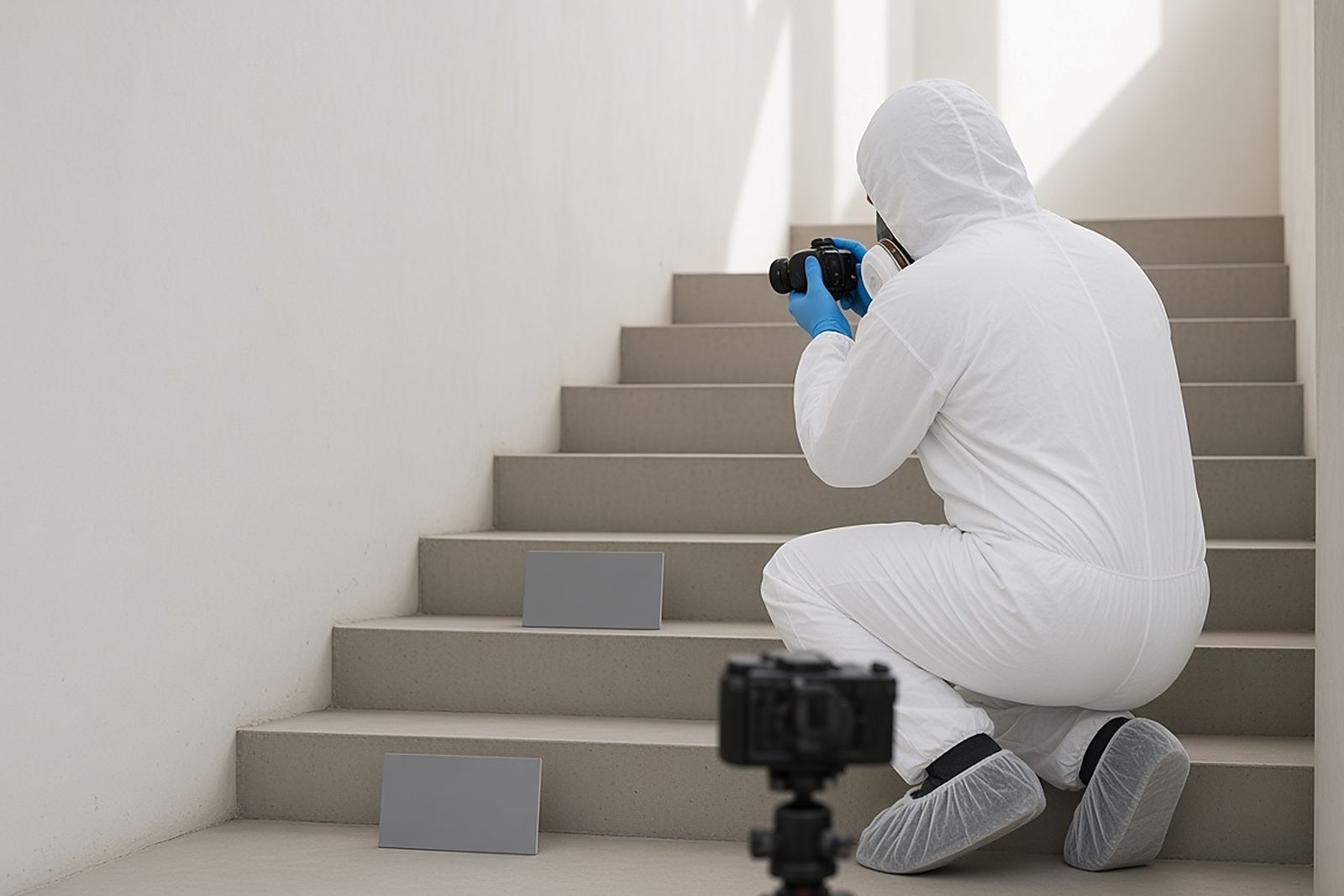
Homicide Cleanup services
Learn what homicide cleanup involves for families, estates, and landlords. Topics range from sealing off several rooms to lists of belongings and final records.
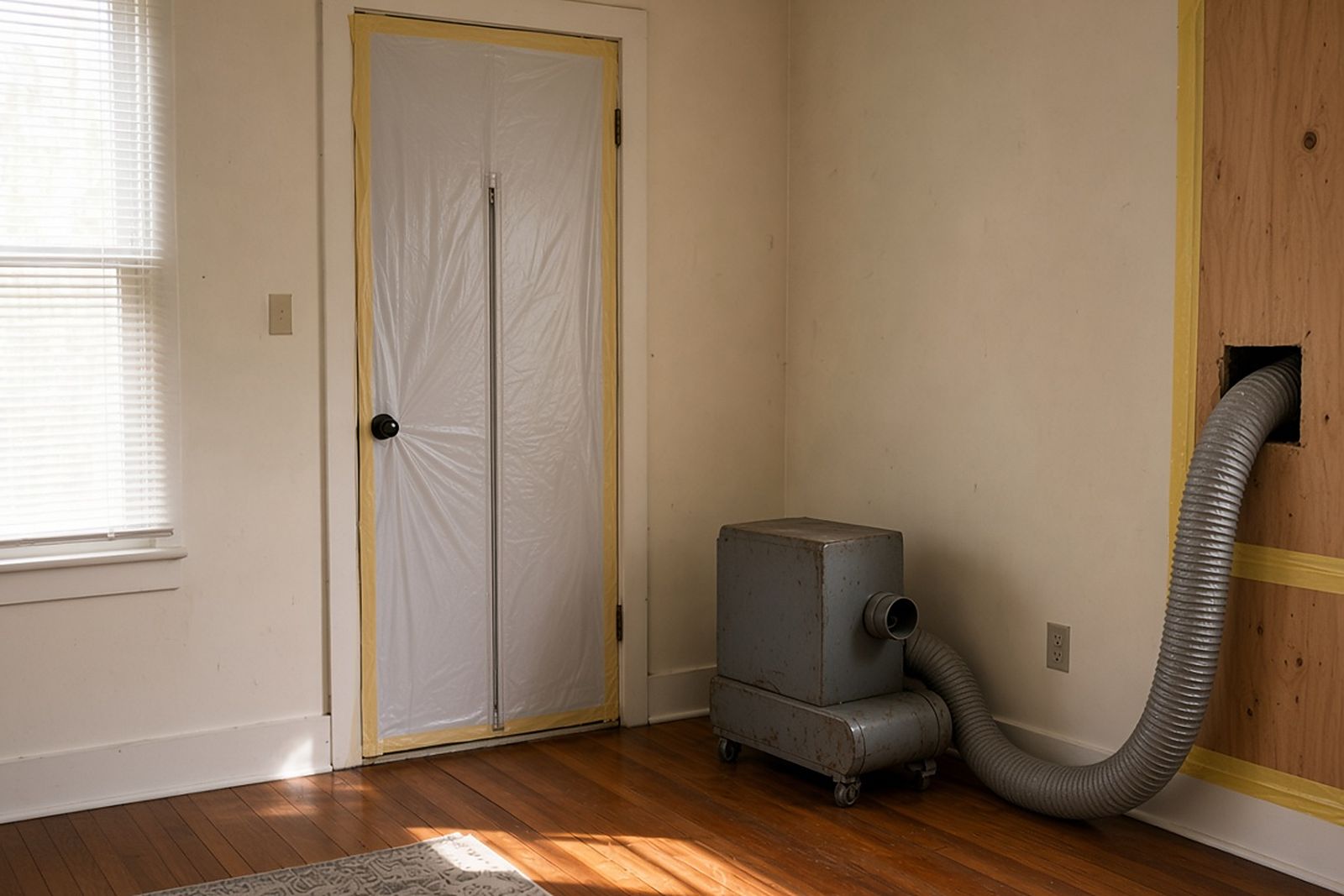
Costs explained
What drives the price, published cost ranges, and how to read a written quote line by line.

Insurance and payment
Which policies may respond, how to document a claim, and what to do if coverage is denied.
Planning tools
Planners, checklists, and organizers for the weeks after a homicide. They cover police holds, estate authority, landlord duties, and victim compensation.
Community polls
Shared experience from families, advocates, and landlords on what was hardest after a homicide and what help mattered.
Knowledge quiz
A calm review of police holds, authority, sealing off work areas, disinfecting, waste, and records. The study guide is written for grieving families and the people helping them.