Short answer
When comparing homicide cleanup bids, look past the total and compare what each quote covers: a written assessment, containment, removal of saturated materials, disinfection, regulated waste disposal, odor control, verification and documentation. Ask each provider to explain its assumptions and how it will handle hidden contamination. A clear, itemized bid also helps with victim compensation or insurance claims.
Why is comparing bids so hard after a homicide?
Families facing a homicide cleanup are often asked to make financial decisions at the worst possible time. You may be dealing with detectives, funeral arrangements and relatives arriving from out of town. A stack of cleanup quotes can feel like one more burden.
Homicide scenes are also harder to estimate than many other jobs. Blood may have reached several rooms, soaked into furniture or traveled beneath flooring. Investigators may have cut out sections of carpet or left fingerprint powder behind. Each provider has to judge how much of this is hidden, and their judgments can differ.
If you can, ask a trusted relative, friend or victim advocate to gather the bids and help compare them. Having a second person look at the numbers can make the decision much easier.
Try to get at least two written bids if time allows. Even when the home must be restored quickly, most reputable providers can complete an assessment within a reasonable window after police release the property, and comparing even two quotes can reveal important differences in scope.
What drives one quote above another
The biggest driver is scope. A provider who expects to remove carpet, pad, a section of subfloor and a sofa will quote more than one who plans to clean surfaces in place. The question is which assumption is correct for your home.
Waste is another major factor. Fixr's 2025 biohazard cleanup cost guide reports medical waste disposal at $2 to $20 per pound as part of biohazard cleanup pricing. Homicide scenes can generate a large volume of contaminated material, so a bid that includes disposal can look much higher than one that leaves it out.
Other factors include the number of rooms involved, the need for odor treatment, the time the scene sat sealed before release, access issues such as stairs and whether repairs are included or left for a separate contractor.
Timing matters as well. A home that stayed sealed for a long investigation may have dried blood that has penetrated deeper into wood, grout and padding. Removing it can take more labor than cleaning a fresher scene, and a provider who has seen the home in person will account for that more accurately than one quoting from a description.
What a complete bid includes
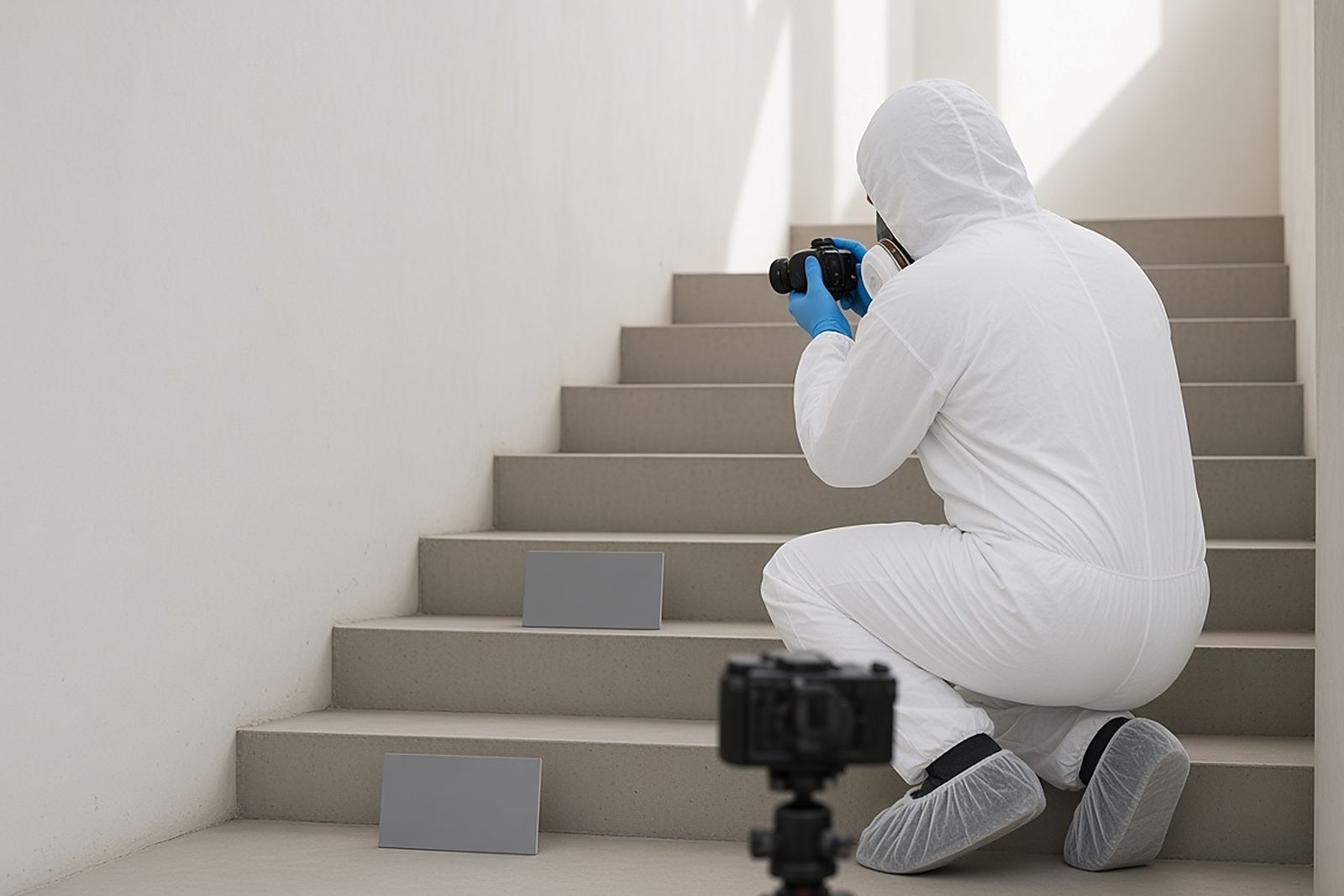
A thorough quote is written and specific. It should describe what the provider saw, what they plan to do and how they will prove the work was done. If a company offers only a phone estimate, ask for a written scope before you agree.
Ask each company to separate cleanup from reconstruction. Replacing flooring, drywall or trim after contaminated materials are removed is ordinary repair work that you may prefer to hire out separately, and mixing it into the cleanup price can make bids hard to compare.
- A description of affected areas based on an in-person or photo assessment
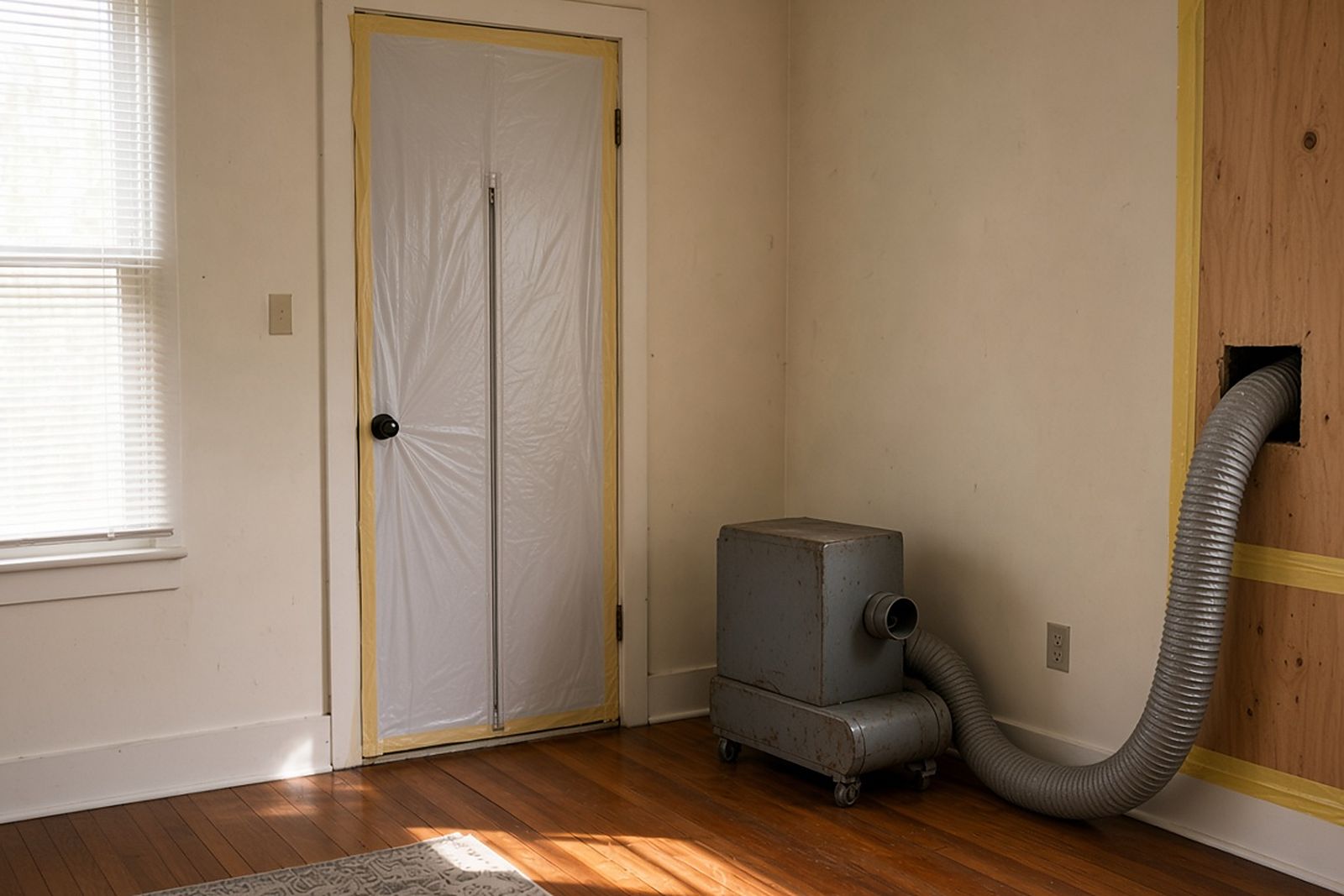
- Containment of work zones so unaffected rooms stay clean
- Removal of saturated porous materials, with an estimate of quantity
- Handling of forensic residue such as fingerprint powder
- Cleaning and disinfection of remaining surfaces
- Regulated waste packaging, transport and disposal, with documentation
- Odor control if needed
- Final verification and a walkthrough offer
- Photos, an item log and a written completion report
- A clear policy for changes in scope
Too low vs too high: warning signs on both ends
A low bid can be legitimate. The concern is when it is low because important steps are missing. Read it carefully for gaps.
One common gap is the absence of any mention of what lies beneath the surface. If a quote covers cleaning the visible floor but says nothing about carpet pad or subfloor, contamination may remain and odor or staining can reappear weeks later. Another is missing waste disposal, which may show up later as an unexpected charge or, worse, be handled improperly.
Be wary of quotes that do not mention containment or protective equipment. Those omissions may signal a crew without proper training, which puts both workers and your home at risk. A lack of documentation is also a concern, since victim compensation programs and insurers often require itemized records.
It can also help to ask how the low bidder arrived at its number. If the answer is that it quoted without seeing the scene or photos, the price may rise once the crew arrives and discovers the true extent of the damage.
Grieving families can be vulnerable to overselling. A high quote may include demolition of areas that were not affected, repeated treatments without clear need or vague charges that are hard to verify.
Ask the provider to walk you through each line and explain why it is necessary. A reputable company will connect every item to something specific it observed. If a charge cannot be explained, you are entitled to ask for it to be removed.
Watch for pressure, such as claims that you must sign immediately or that the price will rise if you seek another opinion. A respectful provider understands that families need time, even when the work is urgent.
Remember that you can decline any line item you do not understand or do not want. Personal belongings, for example, may be cleaned and returned rather than discarded if the family prefers, and a respectful provider will price that option honestly.
How can victim compensation programs influence your comparison?
Most states run crime victim compensation programs that may help eligible families with certain costs, sometimes including crime scene cleanup. Each program sets its own eligibility rules, documentation requirements and limits.
As one example, the California Victim Compensation Board announced in 2022 that its program reimburses crime scene cleanup expenses up to $1,709 per claim, raised from $1,000 in July 2022. Other states set different limits, and some do not cover cleanup at all.
Because programs often require itemized invoices, a bid that lists tasks and charges separately is easier to submit. Before signing, ask a victim advocate or the program directly what paperwork it needs, and share that list with each provider. Some cleanup companies are familiar with the process and can help prepare documents.
Three bid patterns side by side
Bids for the same home tend to fall into three patterns, and seeing them next to each other makes the differences easier to spot.
The thin bid offers a flat price for cleaning the visible areas, such as a living room and stairs, with no mention of carpet pad, upholstered furniture near the scene or waste disposal.
The complete bid includes a written assessment of what was observed, such as blood on carpet, pad and stair treads; containment; removal of carpet, pad and affected furniture; cleaning of fingerprint powder; disinfection of the subfloor; regulated waste disposal; photos and an itemized completion report. It states that any additional work will be approved in writing first.
The inflated bid replaces flooring on every level and repaints the whole house, and the provider cannot explain why unaffected areas need work.
Only the complete bid ties every line to a finding, and its itemized invoice is also the easiest for a victim advocate to help submit to a compensation program.
Questions to ask every bidder
Ask the same questions of every provider and record the answers. Consistency makes comparison easier and reveals which companies have really thought about your scene.
Disposal rules and any registration requirements for cleanup companies differ by location, so ask each bidder which state program it answers to and check its answer with that program.
- What did you observe that shaped this estimate?
- Which items and building materials do you plan to take out, and for what reason?
- Is waste disposal included, and will I receive documentation?
- How will you handle fingerprint powder and other forensic residue?
- What happens if you find contamination that was not visible?
- Will your invoice meet victim compensation or insurance requirements?
- Do you carry liability insurance and workers compensation?
How do you balance cost with peace of mind?
It is natural to want to spend carefully, especially when funeral and legal costs are also arriving. At the same time, a cleanup that has to be redone, or that leaves odor or hidden contamination behind, can add expense and distress later.
The best choice is usually the bid that explains everything clearly, includes every step your scene needs and comes from a team that treats you with patience. Price still matters, but clarity and completeness protect your family best.
Please remember that support is available. Victim advocates, counselors and homicide survivor groups can help you through the practical and emotional weight of these weeks.