Short answer
After a homicide in a property you manage, wait for a clear written release from investigators, then separate your authority over the building from the estate's authority over belongings. Hire a provider who can address both biological contamination and evidence residue, keep residents informed without details, route media questions to one person, notify your insurer early and set a written condition for reopening the unit.
How is a homicide different from other deaths I might deal with as a manager?
A homicide turns part of your property into a crime scene. That changes the timeline, the people involved and the kind of attention the building receives. Detectives may hold the unit for longer than you expect, return after an initial release or ask for access to common areas, parking lots and camera footage.
These events are not as uncommon in residential settings as many managers assume. The CDC's National Violent Death Reporting System counted 22,395 homicides in 2022, and 41.9% of them happened in a house or apartment. For a manager with a large portfolio, having a plan before it happens is simply responsible.
A homicide can also involve ongoing safety concerns. If a suspect has not been identified, residents may be frightened, and you may need to coordinate with police on lighting, access control or temporary security. Cleanup is only one part of your response.
Release comes first
Only after the investigating agency releases it. Ask the lead detective or the agency's property contact for the release in writing, or at least write down the date, time and name of the person who gave it verbally. If any area remains on hold, such as a storage unit, vehicle or adjacent hallway, make sure your provider knows exactly where they may not go.
Do not let maintenance staff enter to change locks, board windows or remove items before release unless police specifically ask for that help. Even well-meant actions can disturb evidence and create problems later for the case and for you.
After release: move promptly, keep records intact
Once the unit is released, move reasonably quickly. Biological material that sits for days can spread further into flooring and subfloors, and odor can travel through shared ventilation. Prompt, professional work usually limits the eventual scope.
Keep in mind that a release does not always end police involvement. Detectives may call later asking about a lease file, a key log or a maintenance record. Keep those materials intact and accessible until the case is resolved, and let your provider know that some items in the unit, such as paperwork or electronics, might be of later interest.
Who authorizes what: the building vs the belongings
As the manager or owner's agent, you typically control the structure: floors, walls, fixtures and building systems. The personal property of a tenant who died generally belongs to their estate. Surviving household members on the lease may have their own rights to remain or to retrieve belongings. Your own attorney can confirm who may authorize what under your state's landlord-tenant and probate law.
If the tenant was the victim, the family may be working with a victim advocate from the prosecutor's office or police department. That advocate can often help you reach the right family contact and may know whether the family is applying for state crime victim compensation, which in some states can help with cleanup costs for eligible victims.
If a resident is a suspect, the situation is more delicate. Do not remove or dispose of their belongings without guidance from your attorney and investigators.
What the scope must cover
Homicide scenes can involve more than one room and more than one kind of residue. In addition to blood and other bodily fluids, investigators may leave fingerprint powder, chemical reagents and cut-out sections of carpet or drywall taken as evidence. A capable provider documents all of this and explains how each will be handled.
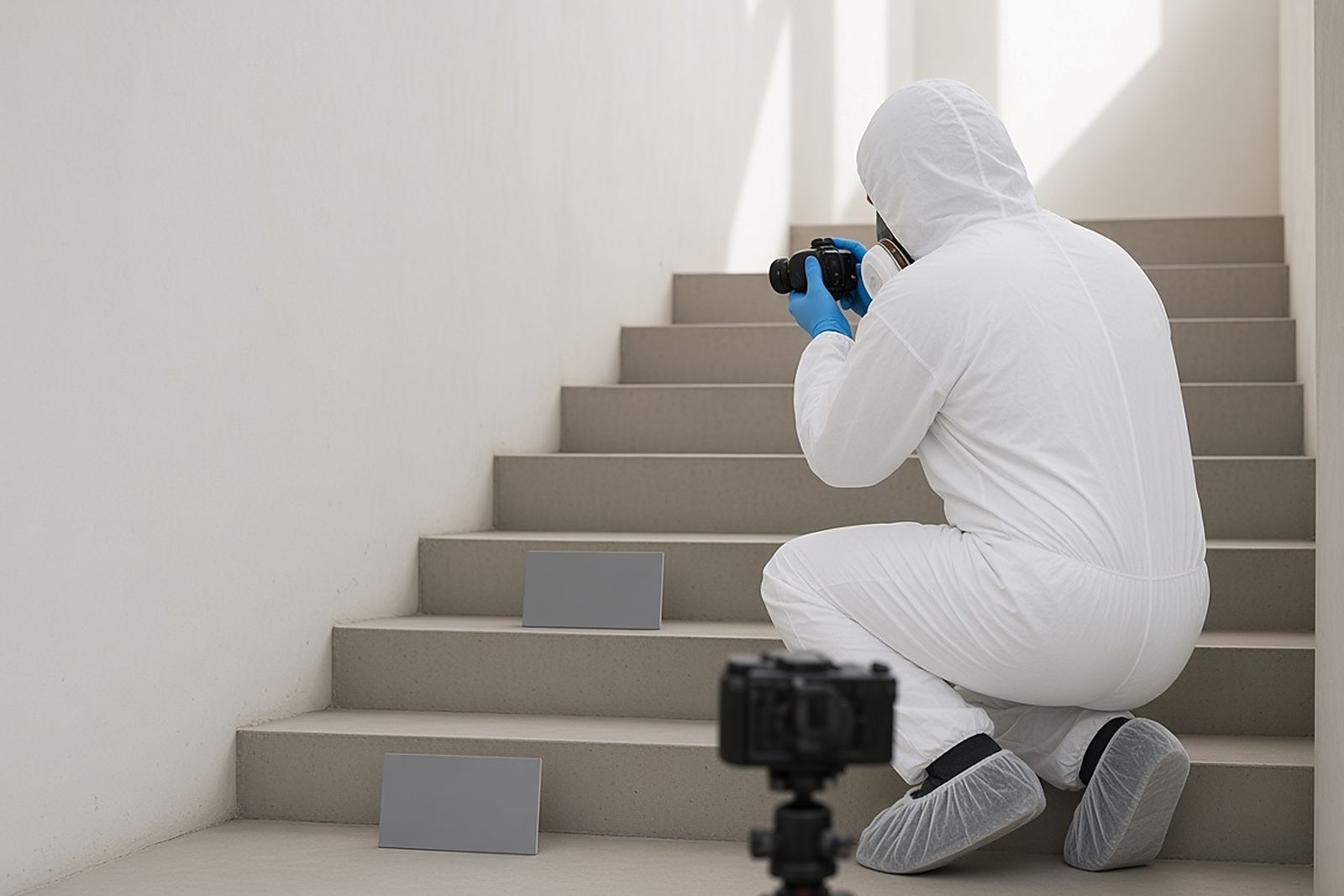
Ask the provider to walk the unit and nearby common areas, such as stairwells or entry paths, because contamination is sometimes tracked beyond the primary room. The written scope should tie each item to what was observed and photographed.
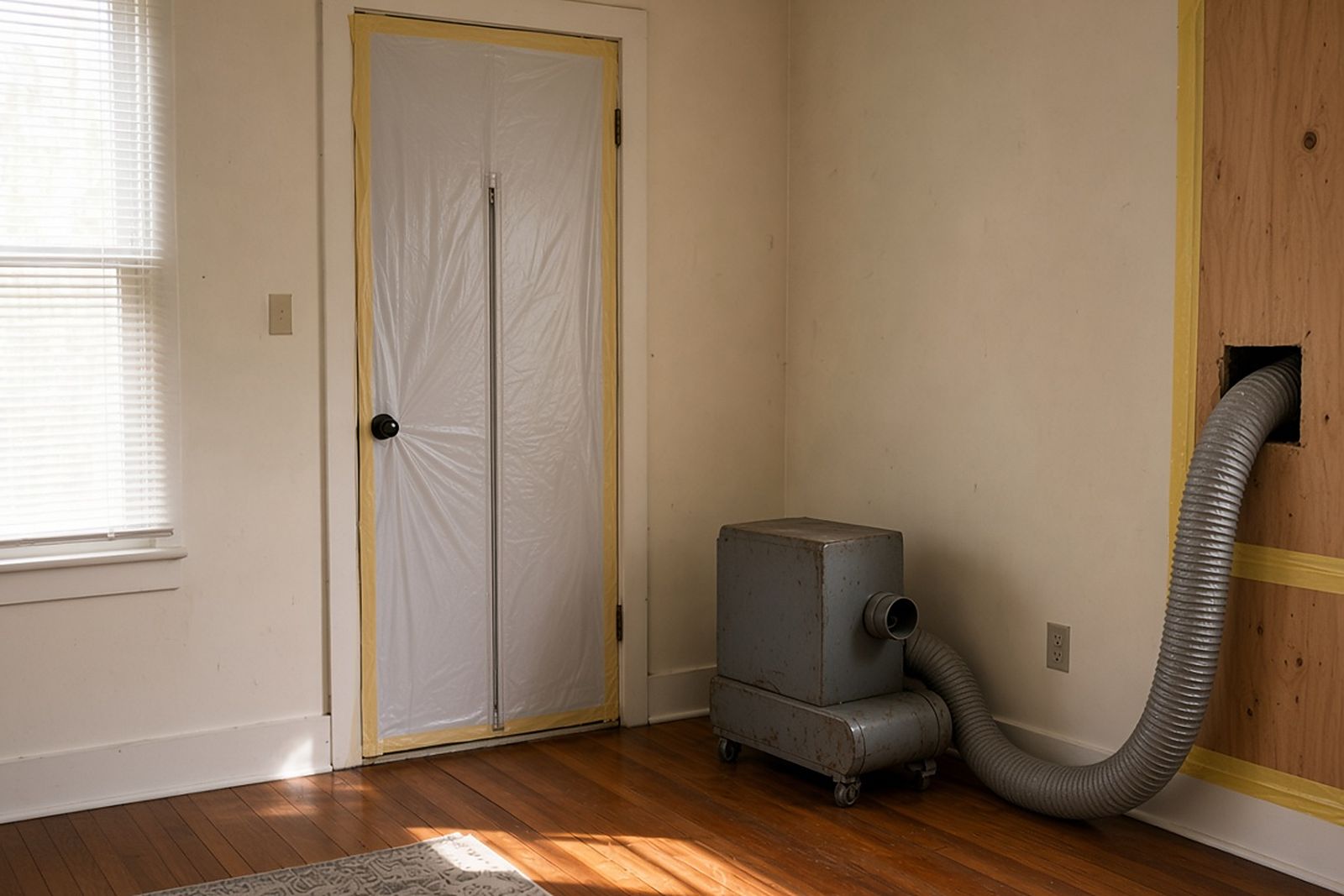
Make sure the scope distinguishes remediation from rebuild. The cleanup company removes contaminated materials, cleans and disinfects, packages regulated waste and documents results. Replacing drywall, flooring or paint is usually a separate project.
Ask the provider how they confirm that contamination has not moved into places you cannot see. In multifamily buildings, fluids can run along floor joists or under a shared wall. The provider should explain what they will check, how they will document it and what would lead them to recommend opening a neighboring space.
- Every affected area, including hallways or entries
- Evidence residue such as powder and reagents
- Evidence cut-outs and exposed cavities
- Belongings to set aside, clean, pack or hold
- Waste packaging and disposal paperwork
- Items excluded from the remediation scope
Residents, reporters and curious neighbors
A homicide often draws news coverage, and reporters may approach residents or staff. Choose one spokesperson and prepare a short, neutral statement that expresses sympathy, confirms you are cooperating with police and declines to discuss details. Tell staff to direct all questions to that person.
Send residents a brief notice that avoids names and specifics, explains that professional crews will be on site and includes any safety updates police have approved for release. If residents are anxious, consider holding a short meeting with a police community liaison present.
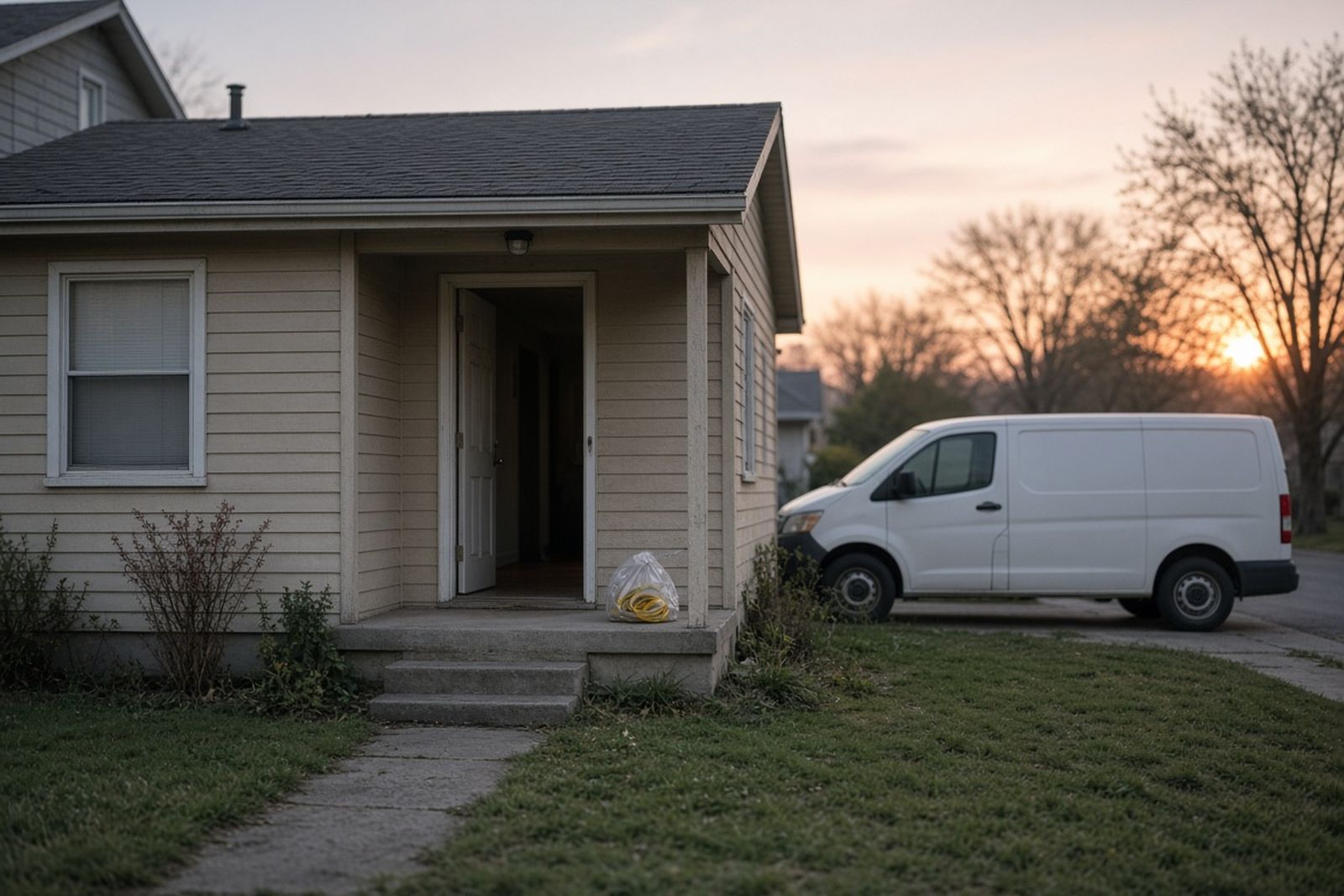
Ask the cleanup provider for unmarked vehicles and discreet staging. Sealed containers carried through a lobby can upset residents, so plan routes and timing together.
Insurance and the documentation file
Notify the building's insurer as soon as you can. Coverage for crime-related cleanup depends on the policy wording, and no one can promise approval in advance. Your adjuster may want to see the scope and photographs, or inspect in person, before work begins.
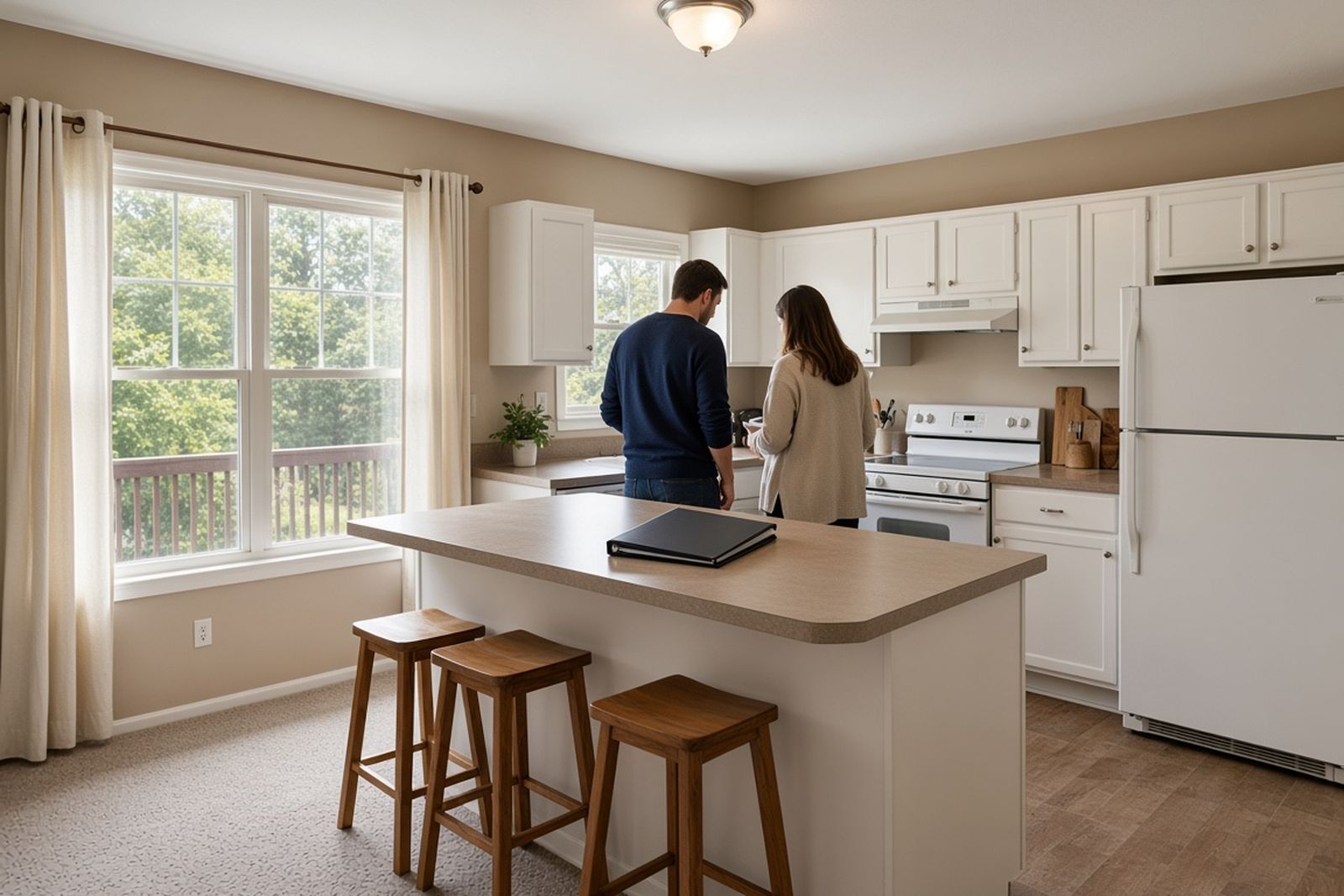
Build one file for the event. Include the police release, the signed work order, the scope, any change orders with photos, waste manifests or receipts, invoices, the final report and your walkthrough notes. Keep resident notices and media statements in the same place.
That file serves several audiences: the insurer, the property owner, any future buyer or lender who asks, and the family or their advocate if they need records for a compensation application.
How do I choose a provider that fits a homicide scene?
Not every restoration or janitorial vendor is prepared for this work. Look for a provider that routinely handles violent death scenes, can describe its bloodborne pathogen training program and respiratory protection program, carries appropriate liability coverage and has a documented relationship with a licensed medical waste hauler.
Ask how they communicate with families and with victim advocates. A provider that has worked alongside advocates before will understand the need for discretion, careful handling of personal effects and paperwork that supports a compensation claim without graphic language.
Also ask whether the crew who performs the work is employed by the company or subcontracted. Either can be fine, but you should know who will be inside the unit, who supervises them and who is responsible if something goes wrong.
- Experience with violent death scenes specifically
- Written training and respiratory protection programs
- Proof of liability insurance you can verify
- Named waste hauler and disposal records
- Comfort working with police and victim advocates
How the steps overlap in practice
In practice these steps overlap, and the sequence matters more than any single task. Releases are sometimes partial: police may release the unit but keep a rear patio, storage area or hallway off limits for another day. Pass any restriction like that to the cleanup company in writing.
If the family is working with a victim advocate, reach them through the advocate, offer condolences and explain that the company can set aside family photos and documents. For a single-unit scene, the scope might cover the room where the death occurred, the entry hall and fingerprint powder on several doors and windows, with carpet removed where fluid soaked in and the subfloor cleaned and sealed.
Meanwhile, residents receive a notice about any added lighting or patrols, interview requests are declined, and the unit moves to rebuild only after the final report and a walkthrough.
When can the unit be restored and leased again?
Agree on the re-occupancy condition before work begins. A reasonable condition includes a completed scope, a final report with photographs, disposal records and a walkthrough showing no visible contamination, residue or odor. Only then should restoration trades start.
Disclosure rules for violent deaths in rental or sale properties differ across the country, and some jurisdictions have none. Rules vary by state and county; verify with the local authority or your counsel before advertising the unit.
Take care of your staff and residents over the following weeks. People who heard or saw something may struggle, and anniversaries or court dates can reopen the event. Pointing people toward victim services, employee assistance programs or counseling is part of managing the property well.
Consider, too, whether the building itself needs changes. Some managers review door hardware, camera coverage or lighting after a violent event, often with suggestions from police. Framing these as general safety improvements, rather than as a reaction to one family's tragedy, helps residents feel safer without drawing more attention to the unit.