Homicide Cleanup location coverage standards
Why a city name alone is not local expertise.
We have not published city pages for this specialty yet. Pages stay unpublished until they contain researched local context and useful decision support. Use the form to ask about your area.
Get an email reply about homicide cleanup
Send a short message to the follow-up inbox. A coordinator can reply by email. This form does not send emergency help; call 911 first if anyone is in danger.
Research before reach
A location is published only when its page includes meaningful local property, access, climate, jurisdiction, or documentation considerations.
Everything for one city on one page
Planning, safety, insurance, provider questions, sources, and documentation for each city sit together on a single guide.
No invented local offices
A city guide does not claim a storefront, parked crew, guaranteed arrival, job count, rating, or credential that has not been independently verified.
Use the national service guidance
The service and article libraries explain hazard controls, documentation, insurance questions, and provider verification without pretending those requirements are identical in every jurisdiction.
Not sure where to start?
Send a short message about your situation. Your request is sent to the follow-up inbox. A coordinator can reply by email.
Your request is sent to the follow-up inbox. A coordinator can reply by email.
If anyone is hurt or in danger, call 911 first.
Why location matters for homicide cleanup
Where a homicide happened shapes almost every step after police release the scene. A few states treat trauma cleanup as its own licensed trade. Others treat it like general contracting. Counties often set their own rules for how blood-soaked building materials leave a home and which hauler may carry them. The building matters just as much. A row house with shared walls, a ranch on a concrete slab, a raised home over a crawlspace, and an upstairs unit above a neighbor each let fluids travel a different way. In humid places, odor and mold can grow faster inside opened walls. Older homes may hide plank subfloors that soak up more than newer boards. A city guide helps you expect these local differences, so the written plan fits your building and the rules that apply to it.
Several offices may be involved with a homicide property. Knowing which ones apply where you live saves repeat phone calls during a painful time. The investigating agency controls the scene until an investigator formally releases it. That may be a city police department, a county sheriff, or a state bureau. The case number on your paperwork tells you which one. The medical examiner or coroner takes care of the person who died and may hold some personal items. Victim services staff often work in the prosecutor's office or the police department. They can explain the state compensation program and how to file locally. A county health or environmental office may set rules for how regulated waste is packed and moved. If there is an estate, the local probate court decides who can legally approve work and sign contracts.
A logo on a referral site tells you little about how a company will treat your family. It also says little about how it handles possible evidence at a homicide scene. So do your own checking. Look up the business's legal name with your secretary of state. Make sure it is active and see where it is really registered. Ask for proof of insurance sent straight from the insurance agent, not a copy the salesperson emails. If your state or county issues permits for hauling medical or regulated waste, ask which hauler and disposal site the company uses. Ask whether the company holds that permit itself. Ask for its written plan for stopping work if possible evidence turns up after release. A victim advocate, property manager, or funeral director near you may know which local teams have handled cases like yours with care and discretion.
What to verify locally
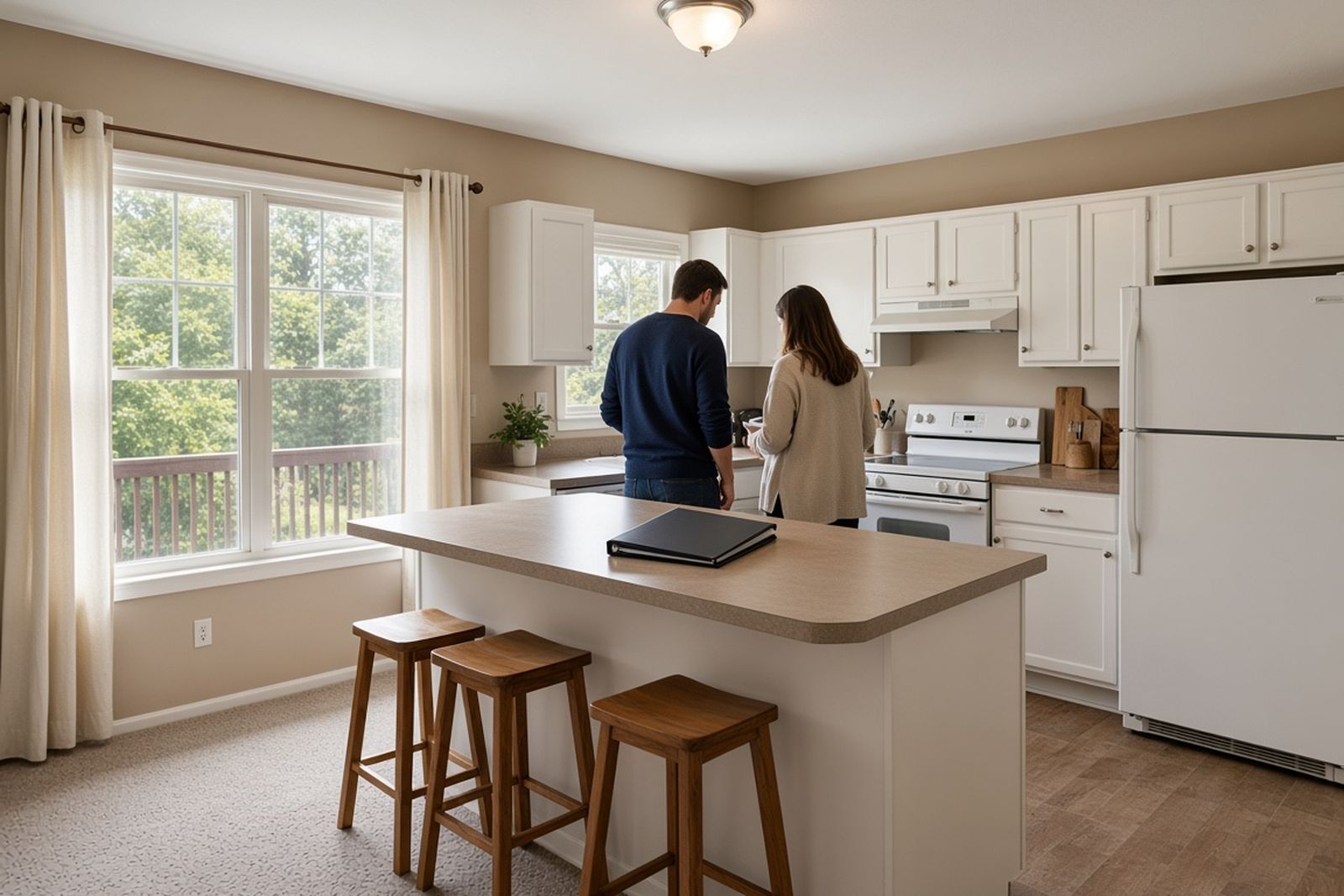
- Written proof that the scene is released. It should come from the police agency and list the investigator's name and case number. Get it before any company books entry or removes anything.
- Who has the legal right to approve the work under your local probate and rental rules. This may be the owner, the court-appointed estate representative, or the landlord.
- Whether your state or county needs a permit to haul regulated waste. Also ask which licensed site will take the materials from the home.
- The filing deadlines and papers your state crime victim compensation program expects. Confirm them with a local victim services office instead of assuming another state's rules apply.
- Building or condo rules that affect the job. These may cover shared air, freight elevator use, quiet hours, and permits to cut into floors or walls.
- Whether the company uses its own local workers or hands the job to a subcontractor, and who will actually be there with your family on the day.
National figures for context
These are national or research figures, not data for any one city.
- 20,162
CDC recorded 20,162 homicide deaths in the United States in 2024, a rate of 5.9 per 100,000 population.
Read with care: CDC counts all homicides on death certificates, including justifiable homicides, so totals exceed FBI murder counts.
Source: CDC National Center for Health Statistics (2024)United States, 2024, death certificates (National Vital Statistics System)
- 48.6% South
Of the estimated U.S. murders in 2024, 48.6% were reported in the South, 21.0% in the West, 20.3% in the Midwest and 10.2% in the Northeast.
Read with care: FBI estimates are based on data from 16,675 agencies covering 95.6% of the U.S. population; expanded homicide details cover only victims with supplemental data reported.
Source: FBI (2024)United States, 2024, by Census region
- 41.9%
NVDRS recorded 22,395 homicides in 2022, and 41.9% of them occurred in a house or apartment.
Read with care: NVDRS links death certificates, coroner/medical examiner and police reports; 2022 is the first year with all 50 states, and location is recorded for the injury site, not always the residence of the decedent.
Source: CDC (2022)United States, 50 states, DC and Puerto Rico, 2022
These figures are public research and agency data, not this network's own job records. Keep each number with its population, year and limits; none of them predicts cost, timing or outcome at a specific property.
Local questions about homicide cleanup
If both city police and the county sheriff responded, how do I know which agency must release the home?
The agency that led the investigation is the one that releases the property. Its name is usually printed on any card, report number, or property receipt you were given. In some areas, a state investigative bureau takes over serious cases from a small department. That can change who you need to call. A victim advocate assigned to the case can confirm the lead agency and give you the detective's contact details. That way you are not passed from one office to another.
Does the state compensation program where I live apply if the homicide happened in another state?
Compensation programs usually look first to the state where the crime happened. So that program is usually where you start. Some states also offer limited help to their own residents who were harmed somewhere else, especially when the other state's program cannot help. Who qualifies, what costs are covered, and the deadlines all differ. Contact victim services in both places and explain what happened. Keep copies of every form and receipt you send to either one.
Can a remediation company based in a neighboring state work on a homicide scene here?
Often it can. But that depends on how your state handles contractor registration. It also depends on whether the company can legally carry and dispose of regulated waste across the state line. Ask the out-of-area company which local permits it holds and which disposal site it will use. Ask whether it plans to hire a local subcontractor for any part of the job. Then check those answers yourself with the right state or county office before you sign.
What extra steps apply when the homicide happened inside an apartment or condominium building?
Apartment and condo buildings bring in the property manager or association board. They may control access, elevators, loading areas, and shared air systems. Fluids can travel through floors into the unit below or along the spaces where pipes and wires run. So the plan may need to include nearby units, with those owners' permission. Building rules may also require proof of insurance or a work permit before anyone cuts into floors or walls. Ask management early for their written rules so the job is not held up at the door.
Does the local climate change how soon cleanup should start after the scene is released?
Heat and humidity can make odor stronger and help mold and germs grow in soft materials. So warm, damp places leave less room for delay once the investigation ends. Cold places carry risk too. A closed-up home with the heat running can trap odor for a long time. Ask the provider how local weather and the season affect the work at your property. That includes sealing off the area, drying, and air handling. Do not rely on a general timeline alone.
Where do removed flooring, drywall, and personal items from a homicide scene actually go in my area?
Soiled building materials and belongings that cannot be saved are usually packed as regulated waste. They go to a treatment or disposal site that accepts that kind of material. The rules for sorting this waste differ from place to place. Items the family chooses to keep are handled separately. Ask the company to name the disposal site and give you the transport or disposal paperwork. If the answer seems vague, check with your county health or environmental office.
Should I ask the local police or medical examiner for a list of cleanup companies?
You can ask. Some offices keep a neutral list of companies that have worked in the area. But many are not allowed to recommend one business over another. A list from an official office is a starting point, not an endorsement. Treat each name like any other lead. Check registration, insurance, waste handling, and evidence procedures yourself. Then choose the team that speaks to your family with respect.
More on homicide cleanup
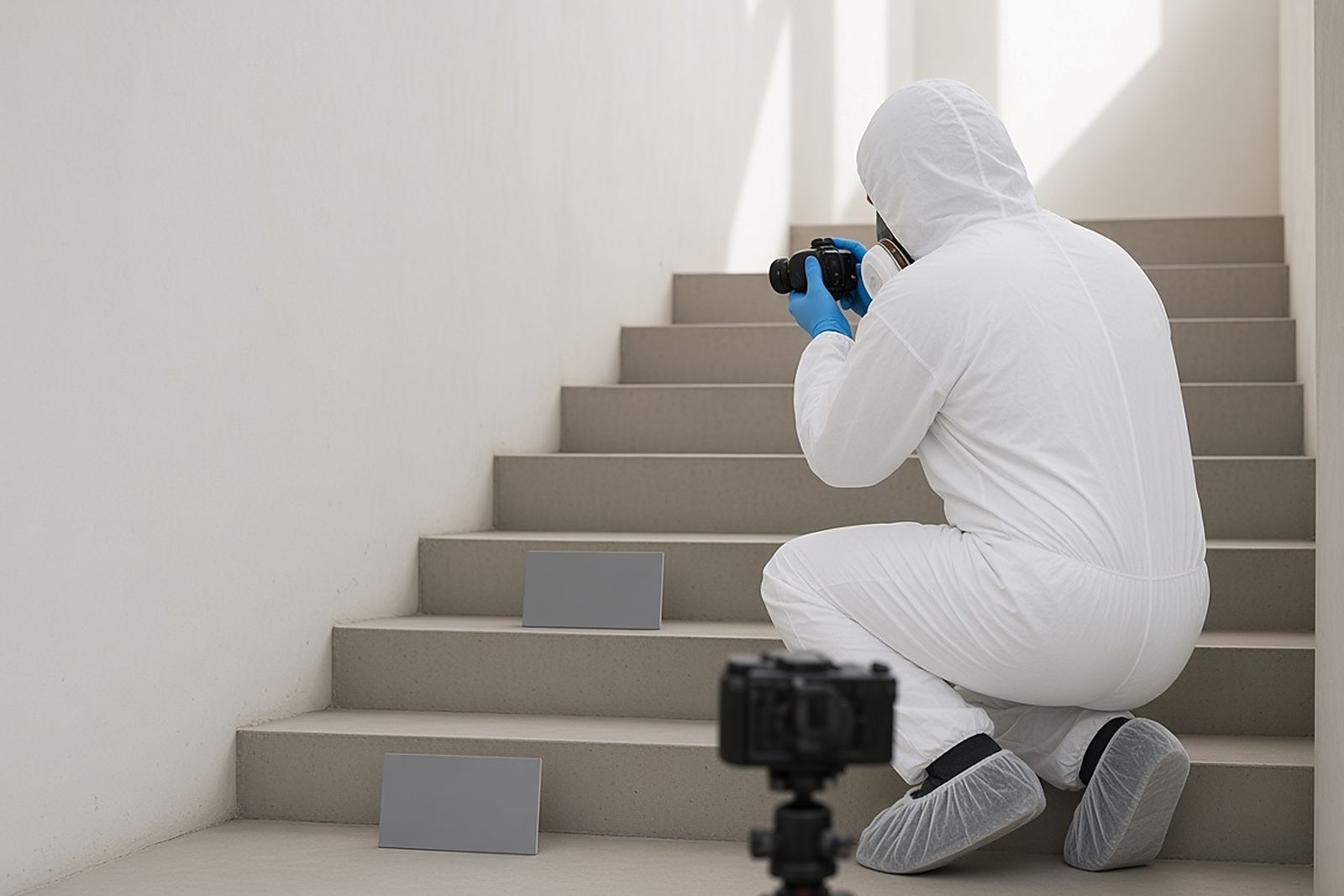
Homicide Cleanup services
Learn what homicide cleanup involves for families, estates, and landlords. Topics range from sealing off several rooms to lists of belongings and final records.
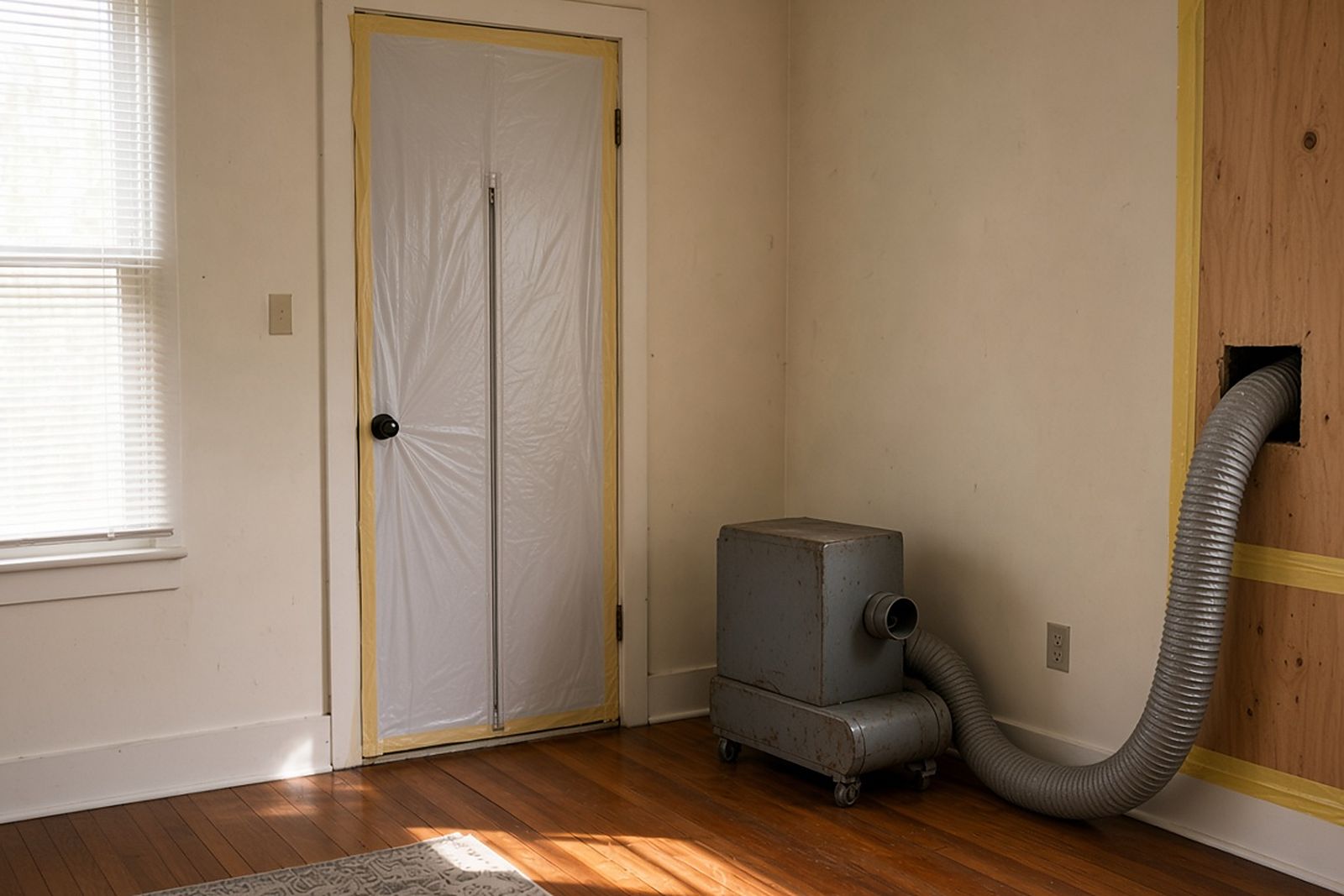
Costs explained
What drives the price, published cost ranges, and how to read a written quote line by line.
Insurance and payment
Which policies may respond, how to document a claim, and what to do if coverage is denied.
Planning tools
Planners, checklists, and organizers for the weeks after a homicide. They cover police holds, estate authority, landlord duties, and victim compensation.
Community polls
Shared experience from families, advocates, and landlords on what was hardest after a homicide and what help mattered.
Knowledge quiz
A calm review of police holds, authority, sealing off work areas, disinfecting, waste, and records. The study guide is written for grieving families and the people helping them.
Articles and resources
Articles on the family and landlord side of a homicide. Topics include release timing, belongings, privacy, compensation programs, disclosure, and renting a unit again.