Short answer
Enzyme and microbial products can help break down dried organic residue in porous hard surfaces such as concrete, brick, grout and subfloor seams, especially when a scene was held for days before release. They do not disinfect, do not remove fingerprint powder or reagents and cannot save soaked furniture or carpet. In homicide cleanup, they are a targeted supporting step within a larger, documented plan.
What enzyme and microbial products do
Enzyme products contain proteins that speed up the breakdown of particular organic compounds, such as the proteins found in blood. Microbial products contain beneficial bacteria that consume organic residue over a period of hours or days. Providers sometimes call their use bioremediation.
In everyday life, these products are familiar from pet stain removers and drain treatments. In homicide cleanup, a provider might use them to help break down organic residue that has worked its way into surfaces where scrubbing alone cannot reach.
They are one tool among many. Understanding their narrow role helps you judge whether a provider is using them to solve a real problem or to avoid a harder one.
Why might a homicide scene call for them?
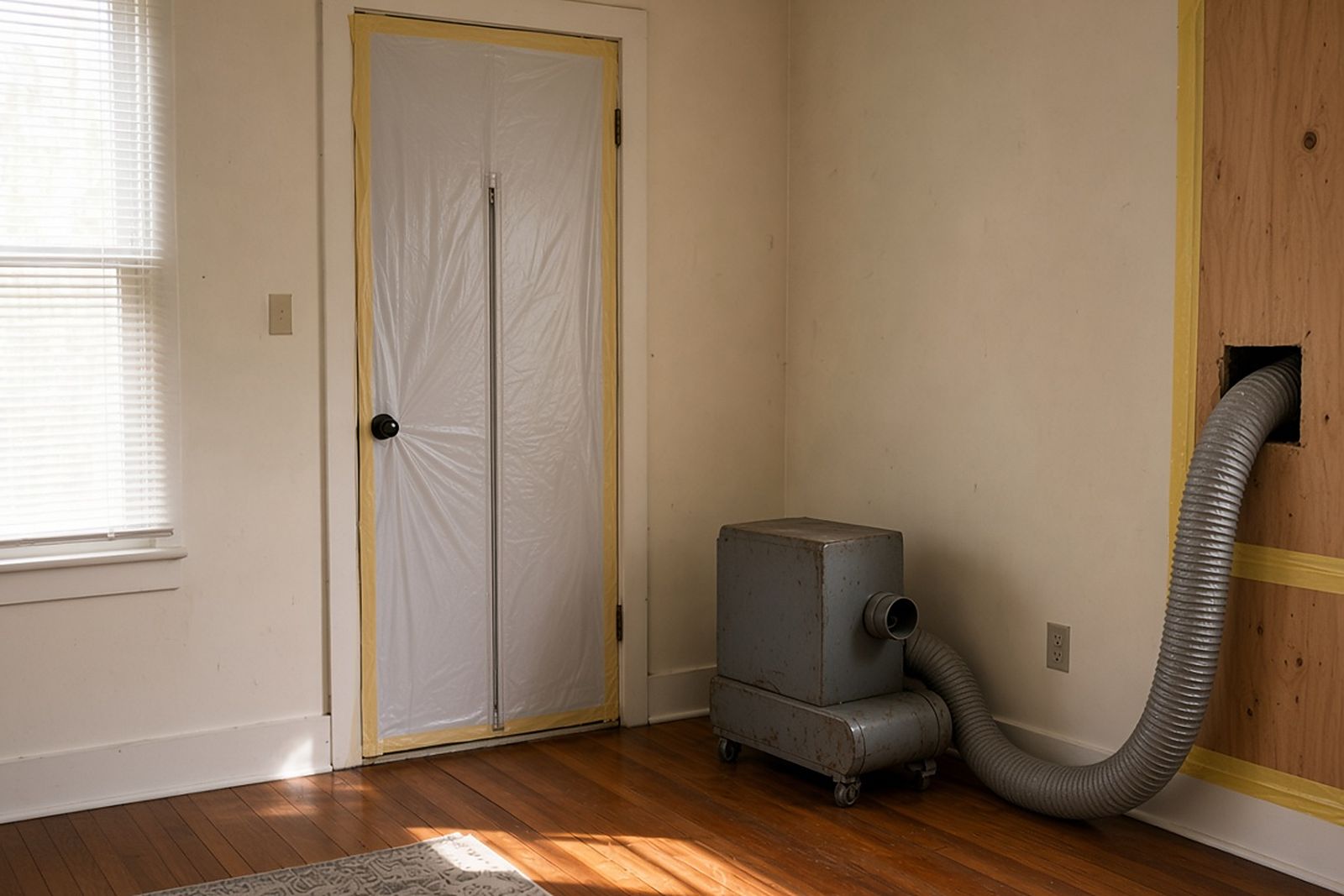
Homicide scenes are often held by investigators for days, sometimes longer, before they are released for cleanup. During that time, blood can dry and settle into porous surfaces. Scenes may also extend outdoors onto porches, steps, driveways or patios, and indoors across several rooms, hallways and stairs.
That combination creates situations where enzymes can be useful. Dried residue in the pores of concrete steps, the mortar joints of a brick patio, the grout between floor tiles or the seams of a wooden subfloor can be stubborn. An enzyme product applied under the right conditions may help loosen and break it down so it can be removed more completely.
Enzymes can also support odor control once the source has been found and removed, by reducing organic residue that remains in hard, porous materials.
Delays in release are not anyone's fault; investigators need time to do their work. But the longer a scene waits, the more a provider may need tools that help with dried residue, and the more important it becomes to inspect beneath surfaces as well as on top of them.
What they will not handle
They do not disinfect. Breaking down organic material is not the same as inactivating pathogens, and some bloodborne viruses can persist in dried blood. That is why a registered disinfectant, applied with its full label contact time, remains essential.
They do not remove investigative residue. Fingerprint powders are typically mineral, carbon or metallic particles, and many forensic reagents leave chemical films. Enzymes and microbes have nothing to digest there. Those residues need their own cleaning methods.
They cannot make saturated porous items safe. A sofa, mattress, rug or carpet pad that absorbed blood generally needs to be removed. Surface treatments cannot reach deep into cushions and fibers.
And they need time and conditions. Most require a certain temperature, moisture level and dwell time. Outdoors, cold weather or rain can make them far less effective.
Where enzymes fit in the sequence
Order matters. Disinfectants can deactivate enzymes and kill beneficial microbes, so applying both at the same time may undermine one or the other. A careful provider will explain how they sequence the steps for your property.
A common approach is to remove contaminated porous materials, clean away fingerprint powder and reagent residue, clean visible soil from hard surfaces, disinfect with a registered product according to its label, and then apply an enzyme or microbial product only to specific porous hard surfaces that still need help. Some providers use enzymes during the cleaning phase instead, before disinfection. Either can work if labels are followed.
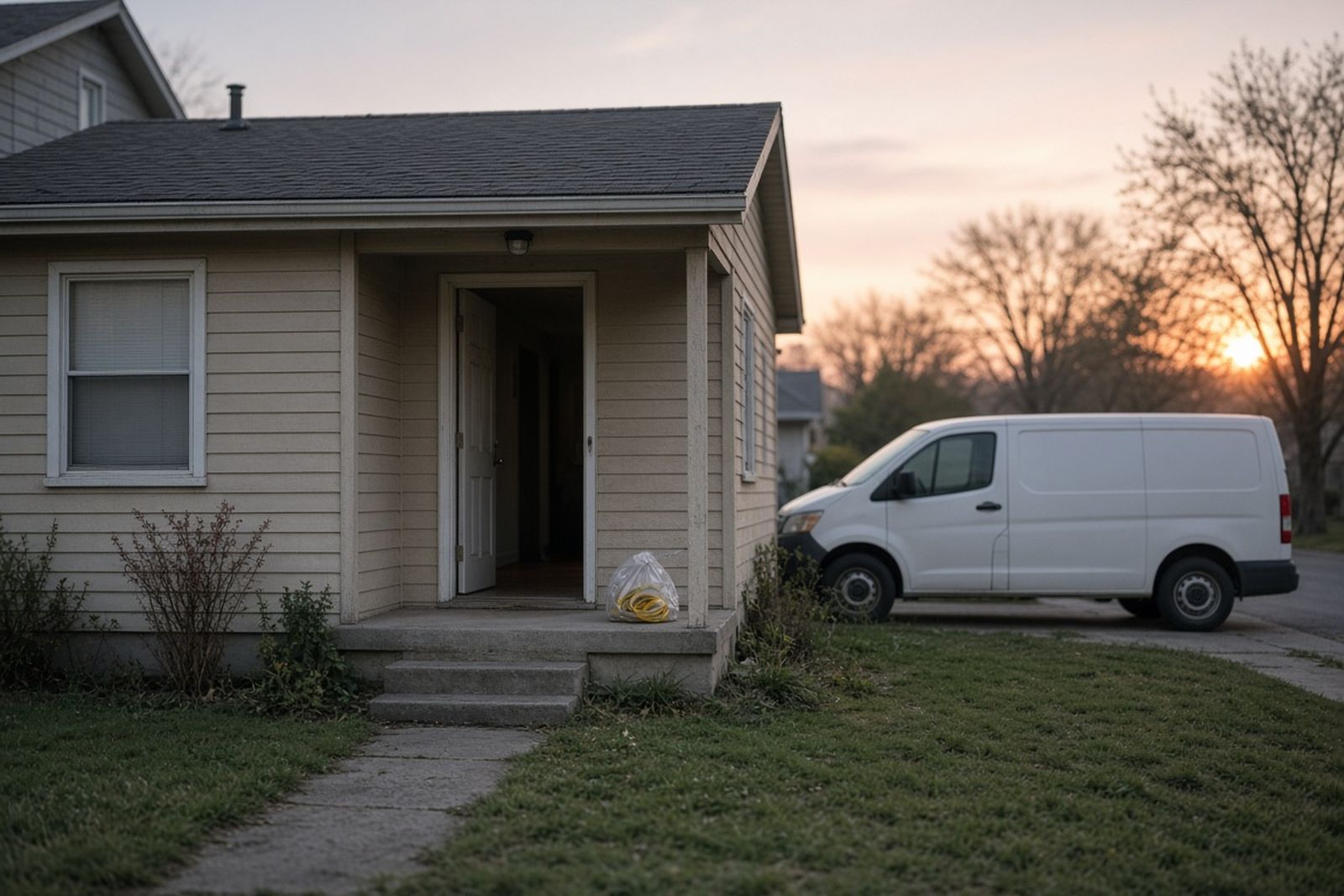
Outdoors, sequencing also includes protecting storm drains and landscaping, and planning for weather. A provider should explain how they will contain runoff and whether a second visit is needed.
- Remove absorbent materials affected by blood
- Clean fingerprint powder and reagent films separately
- Wash visible soil from floors, counters and other hard surfaces
- Disinfect with a registered product for the full contact time
- Apply enzymes only to targeted porous hard surfaces
- Allow drying, then seal or restore as planned
Can enzymes help with scenes that spread across several rooms?
Homicide scenes often involve paths as well as a single location. Traces may be found along a hallway, on stair treads, near an exit door or in a bathroom where someone tried to help. Most of those areas are handled with ordinary cleaning and disinfection, because the residue is light and the surfaces are sealed.
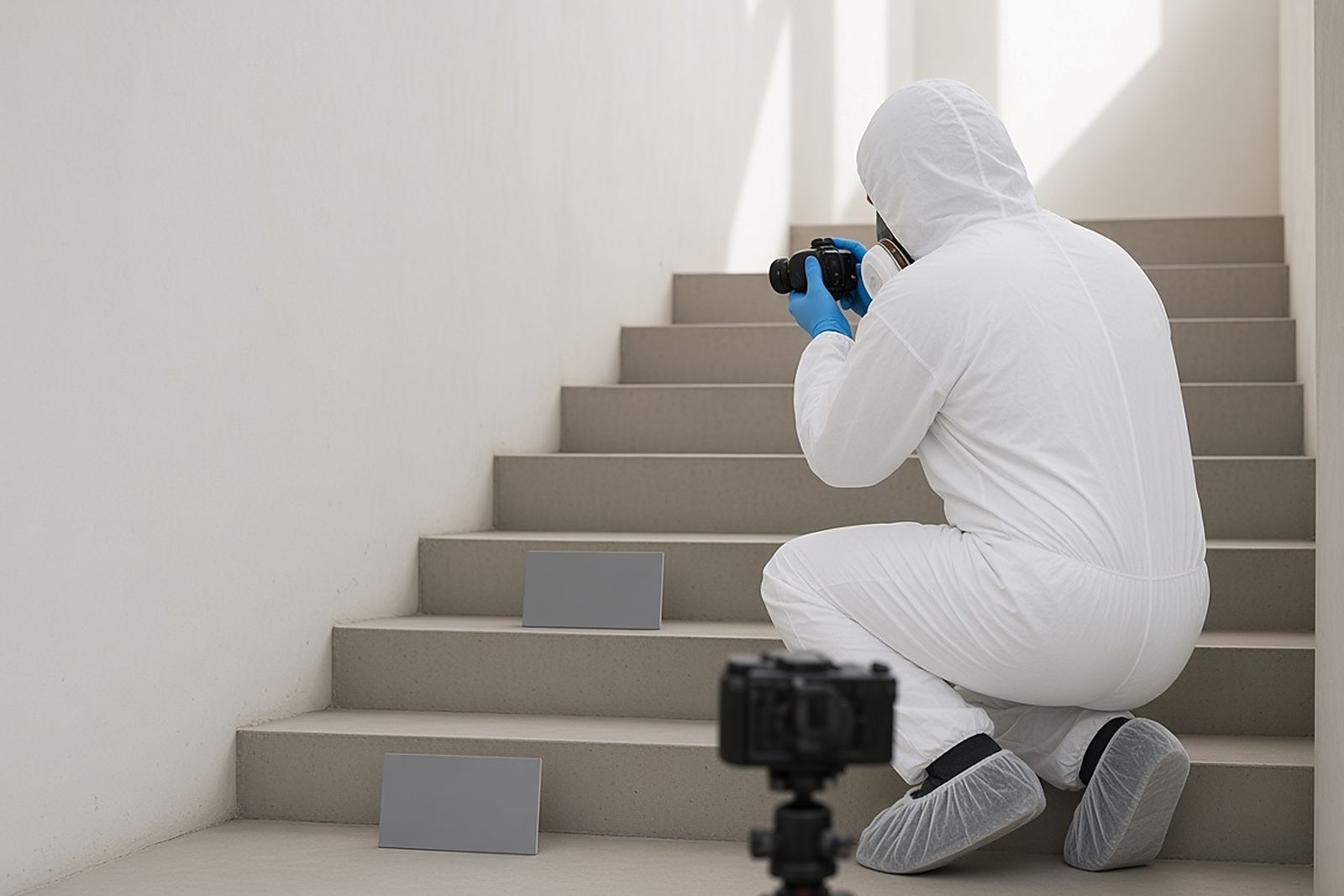
Enzymes become relevant only where residue has reached porous hard materials that cannot be removed easily, such as a stone threshold, unsealed wooden stair treads or tile grout in an entry. In those spots, a provider may use an enzyme product to help lift residue after cleaning and disinfection, then clean again and check the result.
Carpeted stairs and hallway runners are different. If traces reached carpet or its pad, removal is usually more reliable than any treatment. Ask the provider to show you, or your representative, photos of each area along the path and the decision made for it.
This area-by-area approach keeps the plan honest. It prevents a provider from treating the whole house with a product that is only useful in a few places, and it makes sure nothing along the path is missed.
How do I know if enzymes are being used for the right reasons?
Ask where and why. A good provider can point to a specific surface and explain what the enzyme will accomplish there, such as residue in concrete pores or in grout lines. If the answer is that enzymes are used everywhere on every job, ask what problem they solve in your home.
Ask how long the product will stay in place and whether a follow-up visit is needed to clean it off or reapply. Some products need many hours to work. A crew that applies and leaves within minutes may not be following the label.
Be wary of any suggestion that an enzyme treatment allows a soaked couch, mattress or carpet to stay. That approach can leave hidden contamination and odor that return later.
Ask for product names in the final report. That helps any future contractor and gives you a clear record of what was used on your property.
A brick patio and a kitchen: one illustration
Here is an illustrative case, not a real one. A man is killed at the back of his house, on a brick patio just outside the kitchen door. He is found inside the kitchen. Police hold the property for five days before release. His daughter, who inherits the home, hires a cleanup company.
Inside, the crew removes a kitchen rug and cleans and disinfects the tile floor and cabinet faces. They remove fingerprint powder from the door, frame and nearby window using damp methods. Outside, they place absorbent barriers around a nearby storm drain and flower bed. They clean the patio bricks and disinfect them with a registered product, capturing rinse water.
Because residue has dried deep in the mortar joints and brick pores over five days, the supervisor applies an enzyme product to that section of patio after disinfection, following its dwell time. They return the next day to clean the patio again and check for staining and odor. One section of mortar is repointed later by a mason. The daughter receives a report listing each product and step. The scenario is invented, but it shows enzymes used narrowly and in the right order.
Safety for family and pets, and wrapping up
Many enzyme and microbial products are low in toxicity, but safety still depends on the label. Some can irritate skin or eyes, and some manufacturers advise caution around people with weakened immune systems. If anyone in your household has health concerns, ask for the product name and safety information before work begins.
Outdoors, ask when pets can return to the yard and whether plants near the treated area need protection. Indoors, ask when treated areas can be walked on and whether any scent will linger.
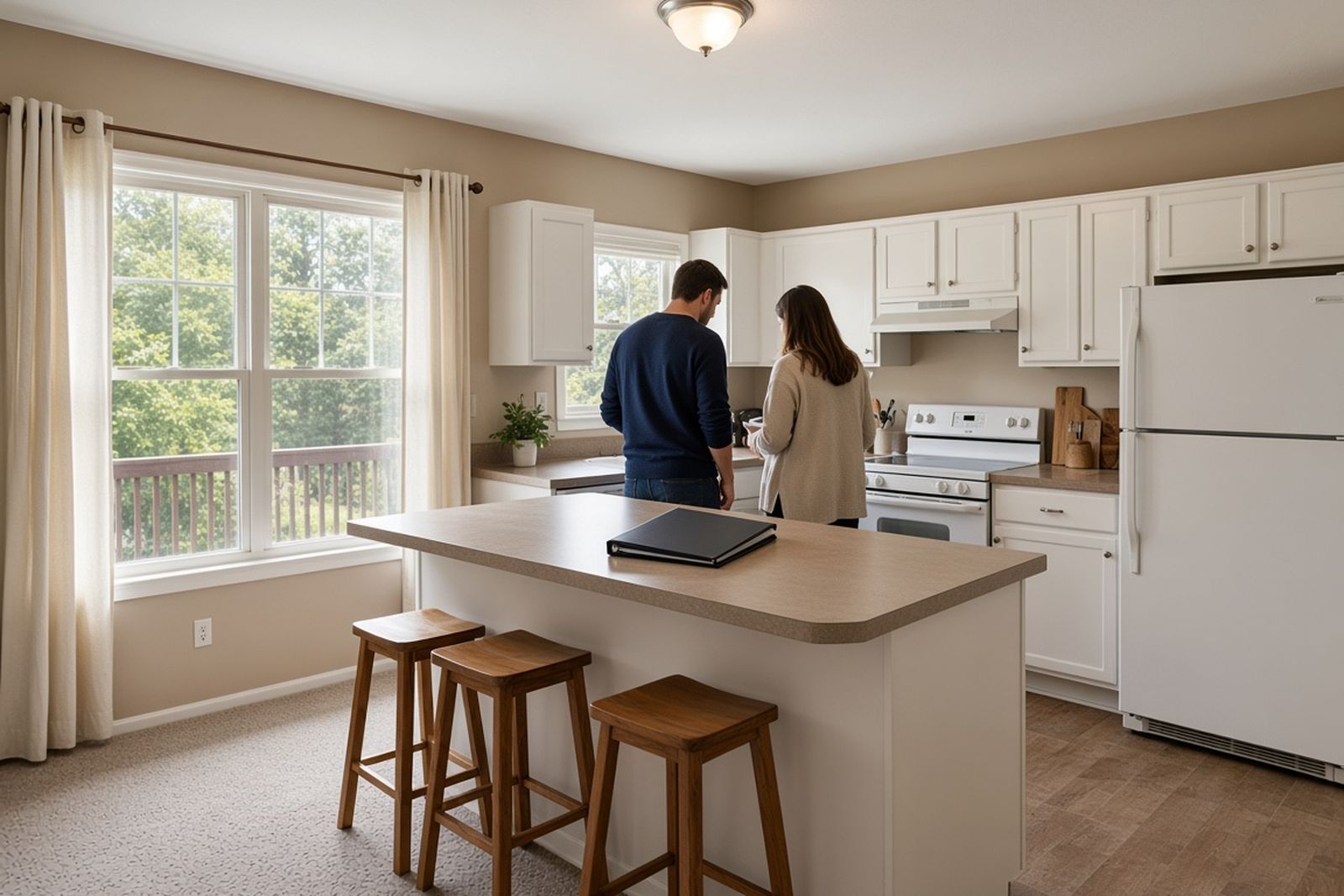
If the property is a rental or will be sold, the landlord or buyer may ask what products were used on floors and outdoor surfaces. Having the product names and safety sheets on file makes those conversations simple and keeps you from having to revisit details of the cleanup yourself.
Enzymes and microbial products can help at the margins, particularly with dried residue in porous hard surfaces. The core of safe homicide cleanup remains the same: thorough inspection, removal of what cannot be cleaned, separate handling of investigative residue, proper disinfection and clear documentation.
If an odor or stain reappears weeks later, call the provider back. It usually means some residue remains, and a reputable company will want to find it.
Families bereaved by homicide carry a heavy load long after the property is restored. Victim advocates, homicide survivor groups and trauma-informed counselors can help. If anyone in your family is in crisis, call or text 988 to reach the 988 Suicide and Crisis Lifeline.