Short answer
Homicide cleanup applies infection control, material science and chemistry to a scene that has often been held for investigation. Fine droplets can travel well beyond the main area, fluids migrate into porous building materials, and time under an evidence hold adds drying, odor and sometimes decomposition. Crews map the full extent, remove what cannot be decontaminated, clean before disinfecting and verify before you return.
Why does a homicide scene often extend farther than it first appears?
After a homicide, most people notice the largest, most obvious area first. The science says to look wider. Force during a violent event can send very small droplets across a room, onto ceilings, light fixtures, window blinds, the backs of furniture and the undersides of tables. Many of these marks are tiny, dark and easy to miss against patterned surfaces.
People moving through the space afterward also spread material. Emergency responders, investigators and anyone who entered before the scene was secured may have carried traces on footwear into hallways, stairs, vehicles or porches. That transfer is a normal consequence of saving lives and investigating, not a mistake, but it means the cleanup area is defined by where material actually traveled.
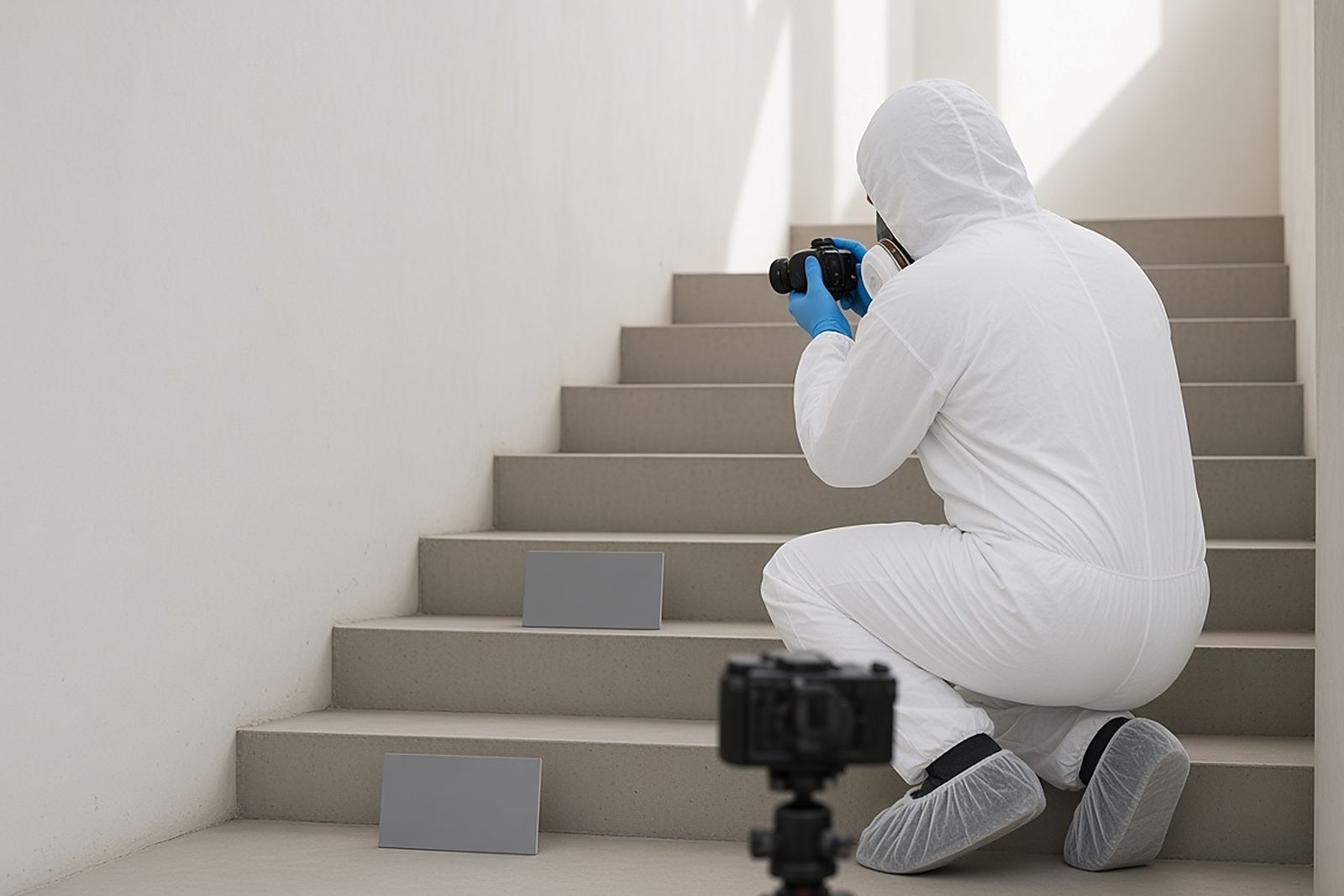
This is why a careful technician walks the entire affected route with bright, angled light before writing a scope. The goal is to find the true boundary of contamination, not the boundary of what feels hardest to look at.
What changes during the investigation hold
Homicide investigations can keep a home under police control for longer than other incidents. Detectives, crime scene units and the medical examiner or coroner may need repeated access, and the property is released only when they are finished. During that time, no one is allowed to clean.
Chemistry keeps working while the door stays closed. Blood dries and its proteins bond more firmly to surfaces. Fluids continue to wick into carpet pad, subfloor and wall cavities. In a warm home, odor develops and can move into fabrics and drywall. If the person was not found for some time before the investigation began, decomposition may also be part of the picture.
None of this is anyone's fault, and it does not mean the home cannot be restored. It simply means the scope may include more removal, deeper cleaning and odor treatment than a scene cleaned within hours. When a provider explains that the release date affects the plan, they are describing the science honestly.
The pathogens technicians protect against
Human blood and certain other body fluids can transmit bloodborne pathogens, including hepatitis B, hepatitis C and HIV. Because no one can know the health status of the person who died, professionals treat all blood and potentially infectious material as infectious. That approach, known as universal precautions, is built into OSHA's Bloodborne Pathogens Standard.
The same standard sets expectations for employers whose workers face blood exposure, including training, protective equipment and vaccination. When you hire a company, asking about its bloodborne pathogens program is a fair question.
Protective equipment is chosen for the task: fluid-resistant suits, nitrile gloves often doubled, eye and face protection, and respiratory protection when aerosols, dust or strong odor are expected.
Why do porous materials usually have to go?
Building materials fall into two broad groups. Non-porous surfaces, such as glazed tile, sealed stone, glass and metal, keep contamination on top where it can be cleaned and disinfected. Porous materials, such as carpet, pad, mattresses, upholstered furniture, ceiling tile and untreated wood, pull fluid inside, where cleaning products cannot reliably reach it.
In homicide cleanup, the decision often comes down to what lies beneath. A technician may cut a small inspection opening in carpet or lift a floorboard to see how far fluid traveled. If the subfloor is stained, it may be cleaned and sealed, or removed and replaced, depending on how deep the saturation goes.
Removal is not a judgment on the value of your belongings. It is a practical conclusion that a material cannot be returned to a safe condition. A good provider asks before discarding anything personal and documents what was removed and why.
- Look under rugs, furniture and appliances near the main area
- Check baseboards and the bottom few inches of drywall for wicking
- Inspect ceilings and light fixtures for fine droplets
- Trace foot traffic routes to exits, stairs and vehicles
Cleaning first, then disinfection
Disinfectants are chemicals that damage microorganisms, but they need direct contact to do it. Blood and tissue act as a barrier and also consume the active ingredient. So technicians first remove bulk material, then clean with detergents or enzyme products that break down proteins, and only then apply a disinfectant.
The disinfectant must be EPA-registered for the relevant pathogens and used exactly as its label directs. That includes the correct dilution and the full contact time, which is the period the surface must stay visibly wet. If the surface dries early, the label claim is not met, so crews may reapply on walls and in warm rooms.
This sequence is repeated surface by surface, from the outer edge of the contaminated area inward, so the crew does not drag material from dirty areas into clean ones.
Odor is a chemistry problem
Odor is a chemistry problem. It comes from volatile compounds released as biological material breaks down, and those compounds attach to porous surfaces and drift through air. Covering odor with fragrance does not remove its source and often makes the room smell worse later.
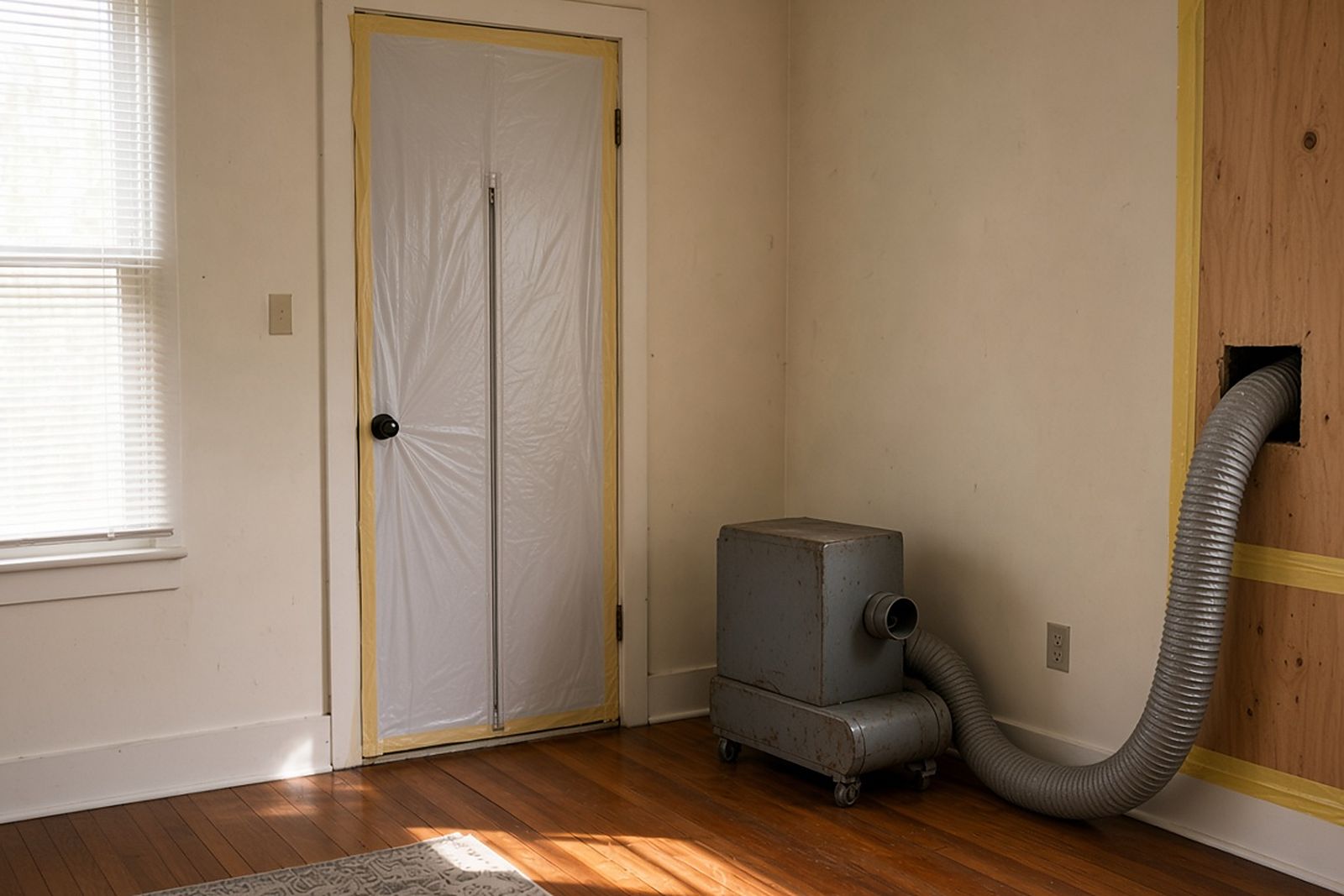
Real odor control starts with source removal: taking out saturated materials and cleaning structural surfaces. After that, providers may use sealing primers on cleaned subfloor or framing, HEPA air filtration, and deodorization methods chosen for the space. Some odor treatments require the home to be unoccupied during use, so ask about re-entry instructions.
Ductwork, and how odor fades
Heating and cooling systems deserve attention too. If the furnace or air conditioner ran while the home was held, air may have pulled odor and fine particles into return vents and ductwork. A provider may inspect registers near the affected room, replace the system filter, and recommend duct cleaning by a qualified contractor if odor persists after the source is gone.
Expect odor to fade in stages rather than vanish at once. A faint smell right after work can come from cleaning products or freshly sealed surfaces. A strong, familiar odor that returns days later usually means some contaminated material remains, and a reputable company will come back to find it.
The science in one duplex: an illustration
An illustrative case, invented for this article, shows how the science plays out. A woman is killed in the living room of a rented duplex. The police hold the unit for several days while the investigation continues. Her brother, who lives out of state, is named as the family contact and arranges cleanup after the landlord confirms the release.
The technician finds the main area on carpet near the sofa, but angled light reveals fine droplets on the ceiling fan blades and a lampshade across the room. Traces lead down the hallway toward the back door, likely from people moving through after the event. The sofa and carpet are removed. Cutting back the pad shows staining on the plywood subfloor, which is cleaned, disinfected and sealed.
The crew bags the lampshade separately after the brother says it held no special meaning, and sets aside a photo album and a knitted blanket from a nearby chair for his review. He receives photos, a list of what was removed and saved, and the waste records to share with the landlord. This scenario is fictional and meant to illustrate the process.
How often do homicides happen inside a home?
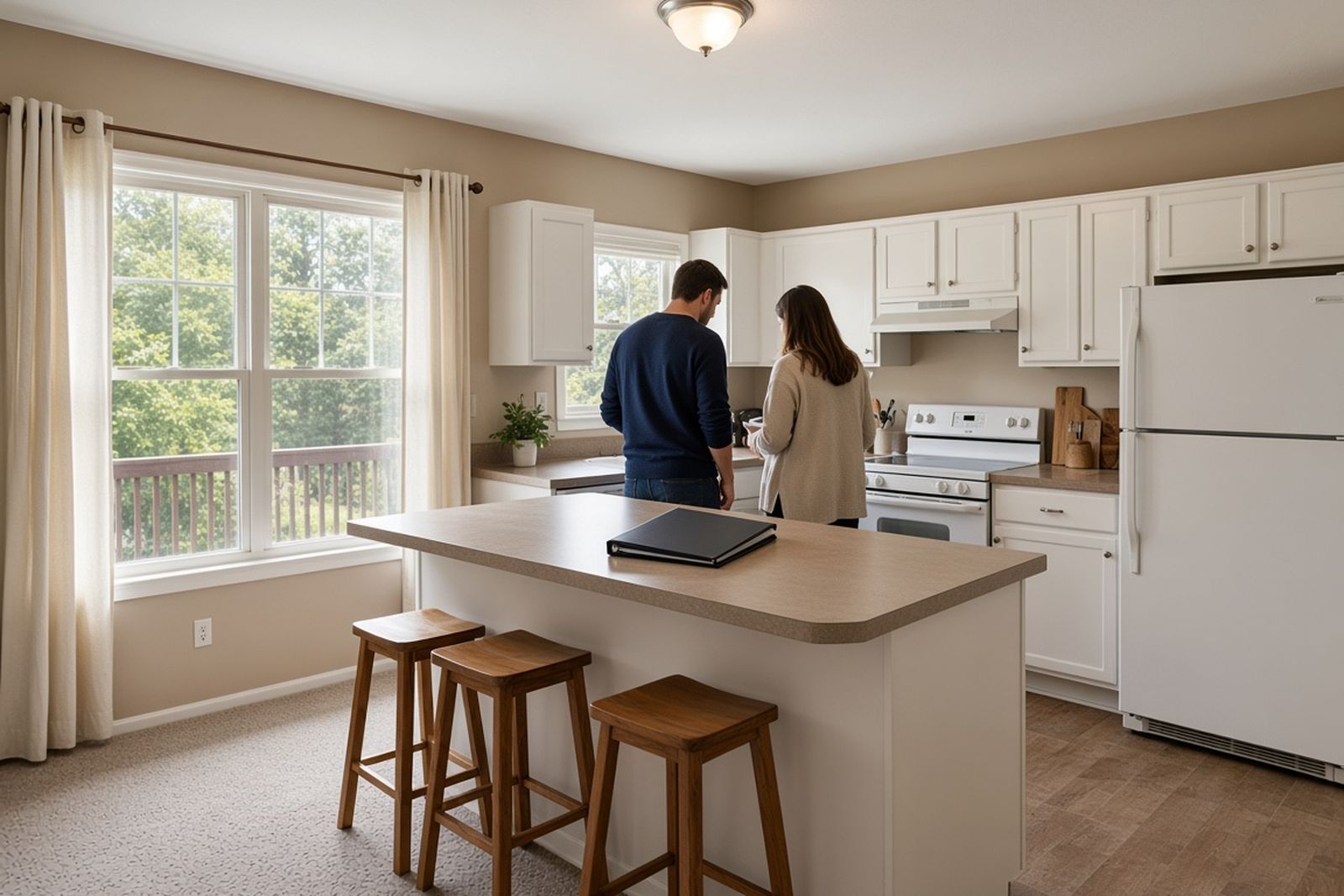
More often than many people expect. The CDC's National Violent Death Reporting System recorded 22,395 homicides in 2022, and 41.9% of them occurred in a house or apartment. That means cleanup after a homicide is frequently a residential job, affecting bedrooms, kitchens and living spaces where families intend to keep living or will eventually sell.
Residential settings add complications that labs and warehouses do not: layered flooring, shared walls in apartments, forced-air heating that can carry odor, and personal belongings throughout. Each of these shapes how the science is applied.
In an apartment or condominium, a technician may also need to check the unit below or beside the affected room, because fluid can pass through floor assemblies and odor can travel along shared plumbing chases. Coordinating with the building manager early keeps those checks from delaying the rest of the work.
Verifying the work
Verification should be visible, not verbal. Expect a final inspection under bright light, attention to seams, edges and fixtures, and a check that all removed areas are clean down to sound material. Some providers add ATP swab readings, which measure leftover organic residue and help show the surface was cleaned thoroughly.
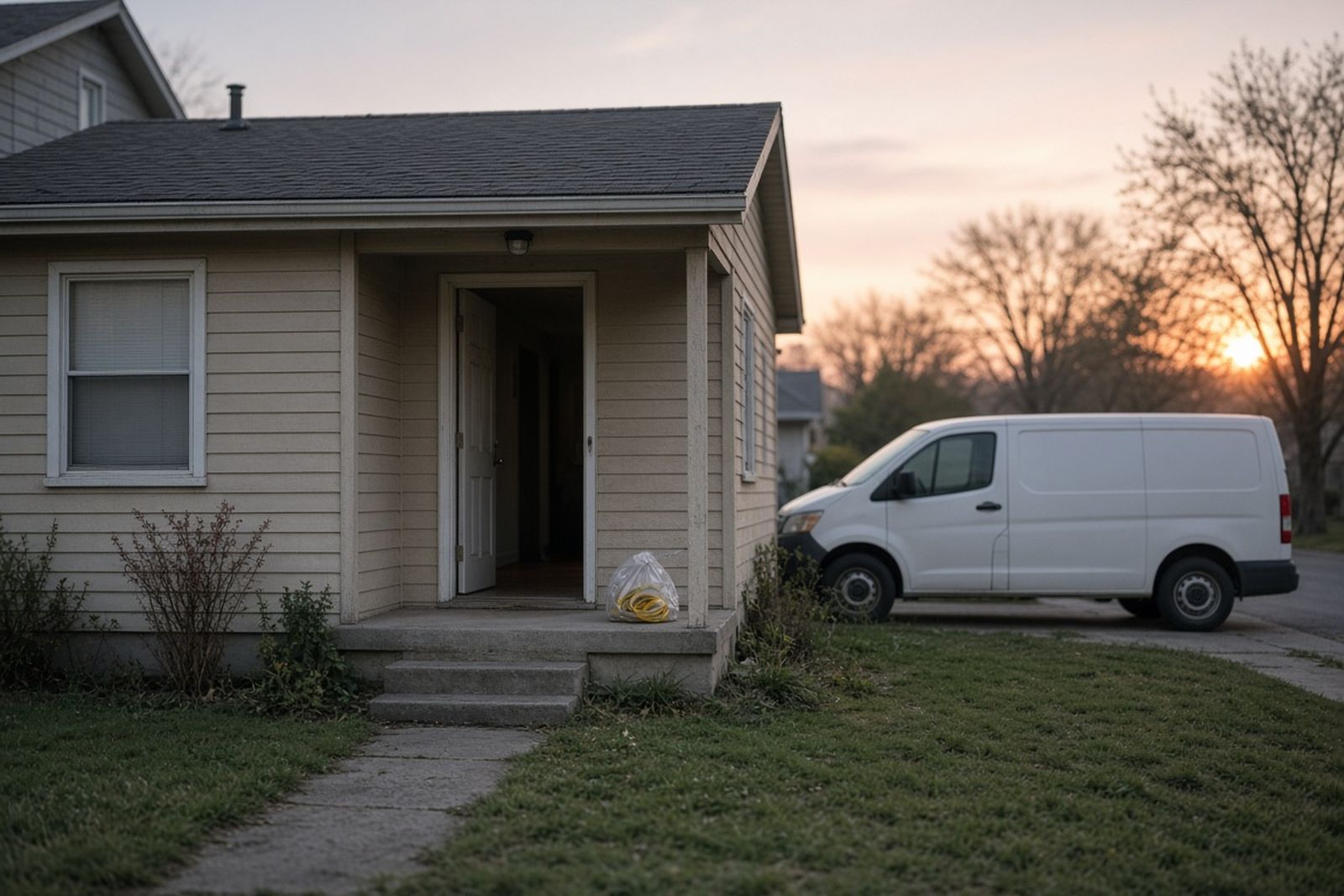
You should receive a written summary that lists the areas treated, materials removed, products used, and how regulated waste was packaged and transported. Waste handling and disposal requirements differ across jurisdictions, so the summary should name the hauler and the facility that received the waste.
If you are grieving a homicide loss, the technical side can feel very far away from what matters. Victim advocates attached to police departments or prosecutors' offices can often help with practical steps, including cleanup, so you do not have to carry every decision alone.