Short answer
Homicide cleanup uses the same remediation methods in homes and businesses, but the setting changes nearly everything else. Homes center on the family, the estate and privacy. Businesses add landlords, insurers, employees who may be witnesses, customers, security, media and pressure to reopen. In both, wait for a written release, map every affected path, document thoroughly and make support available to those affected.
What stays the same in every setting
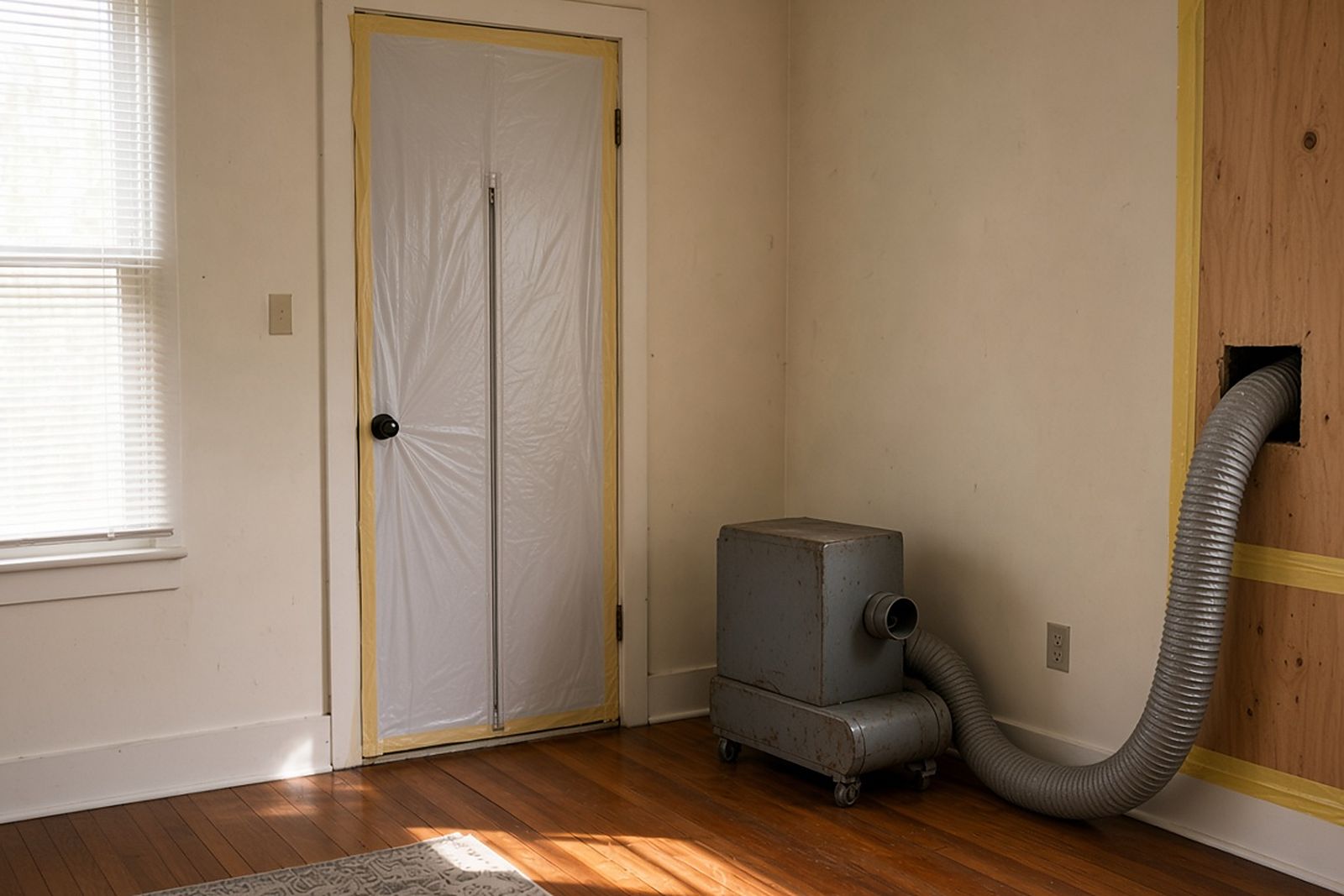
The physical work follows the same principles in any building. A trained crew waits for investigators to release the scene, inspects every affected area, removes materials that absorbed blood or other fluids, cleans away fingerprint powder and chemical reagents, disinfects hard surfaces according to product labels, packages regulated waste and records what it did.
The hazards are the same too: possible bloodborne pathogens, sharp debris, damaged fixtures and residue from the investigation. A kitchen floor and a stockroom floor call for the same care.
What differs is the web of people and obligations around the work. That web is usually simple at a family home and much more tangled at a business. Knowing where the differences lie helps you plan and choose a provider suited to your situation.
It also helps to remember that the building type does not decide the size of the job. A small apartment can require more work than a large store if contamination spread across several rooms or sat for days before release. The scope should follow what the provider finds, not assumptions about the setting.
Does the investigation affect homes and businesses differently?
In a home, investigators typically focus on the dwelling and perhaps a yard, vehicle or garage. When they release the property, the family or owner generally regains full control.
Businesses often present a larger, more public scene. A shooting in a store might involve the sales floor, a parking lot, entrances and security camera systems. Investigators may need footage, access logs, employee interviews and point-of-sale records. Parts of the property can be released at different times, and detectives may return to ask about layout or lighting.
Whatever the setting, write down the release details and any areas still on hold. In a business, share that information with everyone who may give a contractor access, including security, maintenance and the landlord, so no one lets a crew into a restricted space by accident.
Who approves the work: owner, executor, landlord or insurer
At a home, authority usually rests with the owner, a surviving spouse or partner, or the executor of the estate. If the victim rented, the landlord generally approves work on the structure, while the estate decides about personal property. If ownership or authority is unclear, a probate or real estate attorney can tell you who may sign.
At a business, the chain can be longer. The business owner or manager may approve work within their space, but a building owner may need to approve anything touching floors, walls or shared systems. A corporate risk manager or insurer may insist on approving the provider. Franchise agreements or lease terms sometimes add conditions of their own.
Gathering these approvals before work begins avoids delays mid-project. A provider experienced with commercial homicide scenes will often ask for them up front.
Employees, customers and witnesses
In a home, the people most affected are the victim's family and perhaps neighbors. At a business, employees may have witnessed the violence, been threatened, tried to help or found the victim. Customers or guests may have been present too. Their safety and wellbeing are part of the response, not a separate concern.
Do not ask employees to clean any part of the scene. Beyond the emotional harm, OSHA's Bloodborne Pathogens Standard applies to employers whose workers have occupational exposure to blood, and it requires training, protective equipment and vaccination offers that most general staff have not received. Cashiers, clerks and office staff are not hired, trained or equipped for that kind of exposure.
Instead, give employees clear information, time to recover and access to counseling. Many organizations use an employee assistance program or bring in crisis counselors. Customers may need a simple, respectful notice about closures and reopening.
How do media and security concerns differ?
A homicide at a home may bring reporters to the street for a day or two. A homicide at a business, especially one open to the public, can draw sustained coverage, social media attention and curious visitors. Businesses need a single spokesperson and a short, sympathetic statement that avoids details and defers to police.
Security needs also differ. A home may simply need locks changed and a window repaired. A business might need temporary guards, added lighting or controlled entry during cleanup, especially if the person responsible has not been identified.
Ask your provider to work discreetly: unmarked vehicles, covered waste containers, work through service entrances and no comment to anyone outside the approved contacts.
Neighbors behave differently in each setting as well. Residential neighbors may leave flowers or knock on the door to offer help, and families can decide how much contact they want. At a business, neighboring shops and office tenants may worry about their own safety and customers. A brief note from the property manager, approved by police, often calms those concerns.
Reopening pressure vs taking the time needed
Families can usually take the time they need. Some want the home cleaned immediately so they can return; others prefer to wait, though delays can allow contamination and odor to spread further.
Businesses often face financial and community pressure to reopen. That pressure is real, but it should never cut remediation short. The affected area should stay closed until the provider finishes and documents the work. With proper containment, unaffected parts of a larger building may reopen sooner.
Agree in writing on which areas stay closed, which can operate and what condition must be met before each returns to use. In multi-tenant buildings, include neighboring tenants in that plan.
- Areas still under investigative hold
- Areas closed for remediation
- Areas that can operate with containment in place
- The documented condition for reopening each area
- Who signs off on reopening
Records and funding sources
Families often rely on homeowner's insurance, and in some cases on state crime victim compensation programs, which may help eligible victims' families with certain costs. A victim advocate can explain how the program in your state works. Eligibility and covered expenses vary, and no provider can guarantee approval.
Businesses usually turn to commercial property or business interruption coverage, and may need records for a landlord, a corporate office or a regulator. Either way, the documentation should include a scope tied to photographed findings, change approvals, disinfectant details, waste disposal records and a clear statement of when each area was cleared.
Keep the documentation in two versions if needed: a full technical file for insurers and landlords, and a short summary without photographs for family members or employees who want to know the work is finished but do not want to see details. A thoughtful provider can prepare both.
Home vs business: where the effort goes
Set the two settings side by side and a pattern appears. When a death happens in an apartment, the sibling or executor usually works with a victim advocate and hires a provider after release. The crew's attention goes to the affected rooms, the fingerprint powder on doors and windows, and the family photos and papers that need to be set aside. The final report often supports a compensation application.
When a clerk is killed during a robbery at a store, police may release the parking lot before the building. The owner, the building's landlord and the insurer may all need to approve the provider. Work on the counter, the floor and the entry may be scheduled overnight, employees need counseling and paid time off, and reopening waits until the owner receives the final report.
Notice how the business case required more signatures, more notices and more timing decisions, while the family case required more attention to belongings and emotional pacing. Neither is easier, and each deserves a provider who understands the setting.
Where can the people affected find support?
Homicide grief is often complicated by trauma, legal proceedings and public attention, and that is true for coworkers who knew the victim as well as for relatives.
Families can ask their victim advocate about counseling, homicide survivor groups and help with paperwork. Employers can offer employee assistance programs and trauma-informed counseling to staff, including those who were not present but knew the victim. Encouraging people to use these resources, and giving them time to do so, is one of the most useful things any home or business can do.
Support should not end when the cleanup does. Court dates, sentencing and the anniversary of the death can bring the event back for families and staff alike. Marking those dates on a calendar and checking in with the people affected, whether they are relatives at home or coworkers at a store, is a quiet way of showing that no one has to carry it alone.