Homicide Cleanup: Industry Insights
Operational analysis of homicide cleanup documentation, property-type differences, technology limits, environmental decisions, and provider business models—without invented case histories.
Industry insights posts explain how the homicide cleanup business works behind the scenes. This helps you make sense of the companies competing for your call. Articles compare national networks that pass jobs to partner companies with local firms that use their own workers. They explain how subcontracting can blur who is responsible. They also show how providers arrange waste disposal through licensed haulers and sites. You will read about training programs in the field, changing standards for record keeping, and how ties with insurers and victim services shape the business.
Get an email reply about homicide cleanup
Send a short message to the follow-up inbox. A coordinator can reply by email. This form does not send emergency help; call 911 first if anyone is in danger.
This helps you understand why the business name in an ad may not match the crew that shows up. It also explains why some companies push for a quick signature. The posts point out good trends too, such as better photo records and more care in how crews speak with families who have been through trauma. Understanding the business makes it easier to judge whether a provider's promises are realistic and its practices are open and honest.
How Homicide Cleanup Practice Has Changed
How homicide cleanup evolved from families handling it alone to specialized, documented work shaped by forensics, victim services and trauma-aware care.
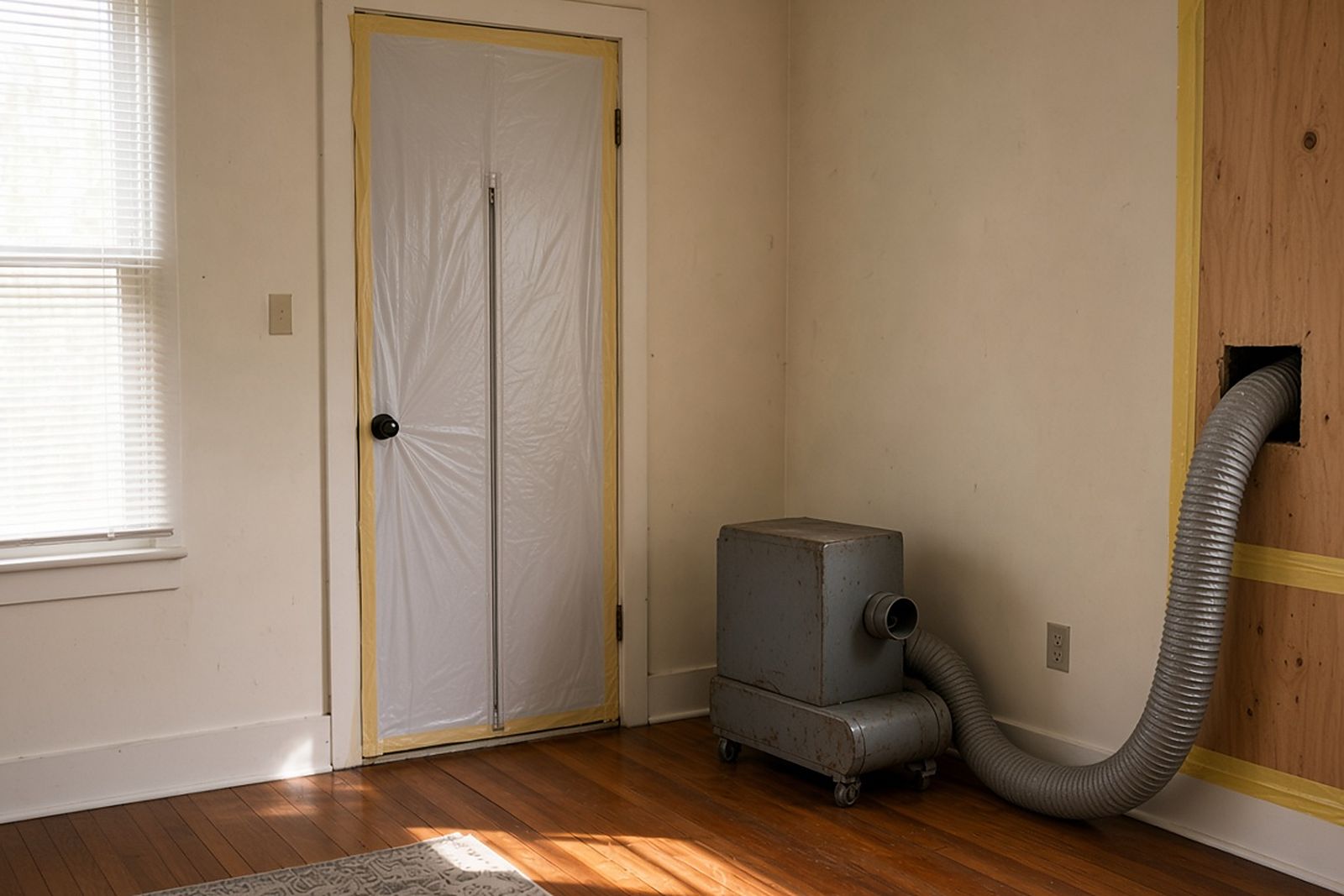
Homicide cleanup was once left to families or landlords after police released a scene. Over time, bloodborne pathogen rules, registered disinfectants, more thorough forensic processing, victim compensation, homicide survivor advocacy and privacy concerns pushed the work toward trained crews, written scopes, careful handling of belongings and detailed records. Standards still vary by state, so families must still choose providers carefully.
Homicide Cleanup for Property Managers: What You Need to Know
For property managers after a homicide in a unit: investigative holds, who authorizes work, tenant safety, media, evidence residue and restoring the space.
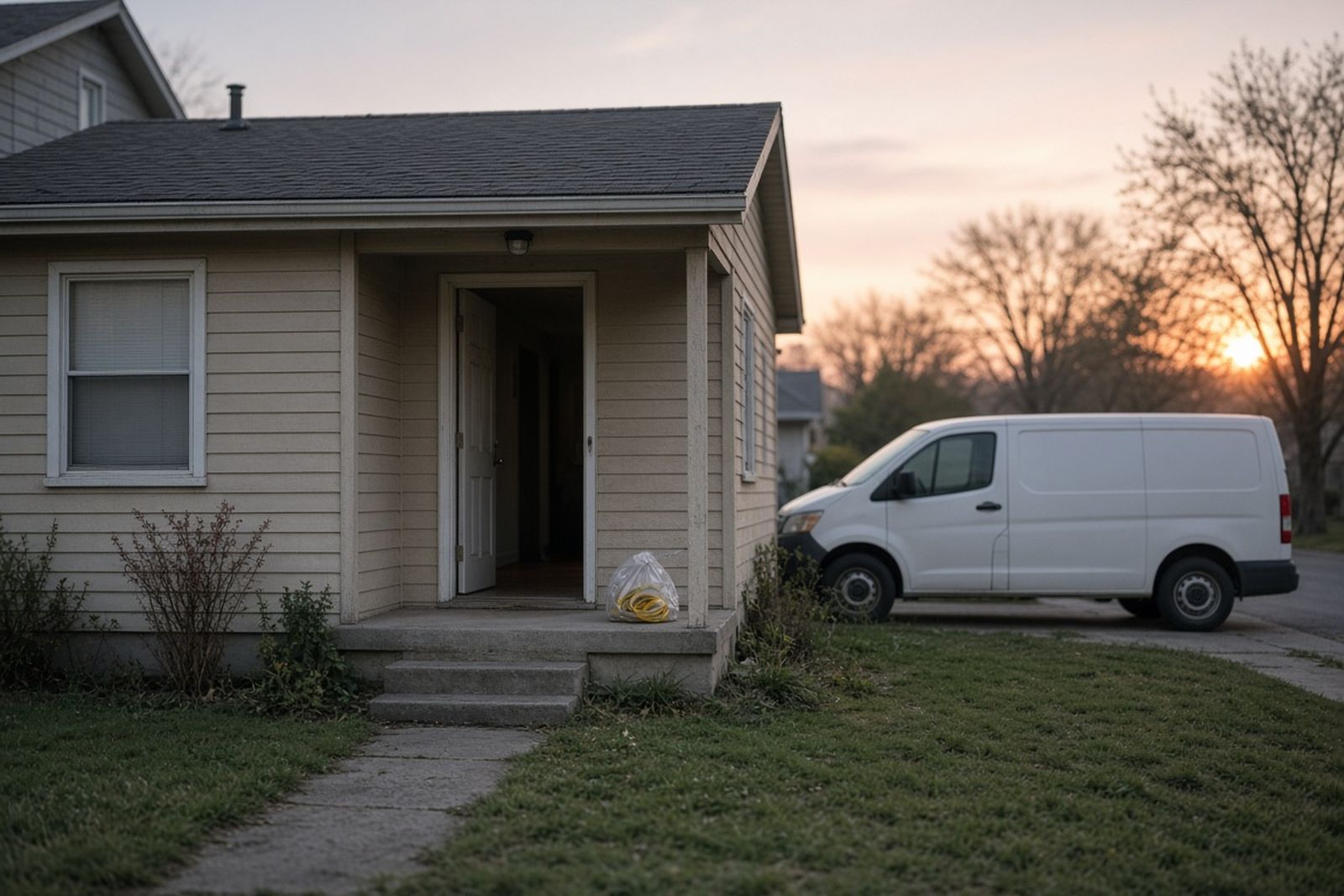
After a homicide in a property you manage, wait for a clear written release from investigators, then separate your authority over the building from the estate's authority over belongings. Hire a provider who can address both biological contamination and evidence residue, keep residents informed without details, route media questions to one person, notify your insurer early and set a written condition for reopening the unit.
Homicide Cleanup Planning Example: Building a Defensible Scope
A fictional homicide cleanup scope, step by step: release limits, evidence residue, multi-room mapping, belongings, waste and records a claim can rely on.
A defensible homicide cleanup scope starts from the investigative release, maps every affected room and path, and ties each action to a photographed finding. It treats evidence residue separately from biological contamination, protects belongings and possible evidence, names chemistry and waste handling, lists exclusions, requires written approval for changes and ends with records that insurers and compensation programs can use.
Commercial vs Residential Homicide Cleanup
How homicide cleanup changes between a family home and a store, office or hotel: investigative holds, authority, public areas, staff, media and reopening.
Homicide cleanup uses the same remediation methods in homes and businesses, but the setting changes nearly everything else. Homes center on the family, the estate and privacy. Businesses add landlords, insurers, employees who may be witnesses, customers, security, media and pressure to reopen. In both, wait for a written release, map every affected path, document thoroughly and make support available to those affected.

Environmental Responsibility in Homicide Cleanup
Environmental care in homicide cleanup: handling evidence residue, outdoor scenes, runoff, regulated waste and belongings without needless disposal or risk.
Environmentally responsible homicide cleanup handles two kinds of residue, biological contamination and investigative materials such as fingerprint powder, without sending either where it does not belong. It removes only what is truly affected, protects soil and storm drains at outdoor scenes, sorts regulated from ordinary waste, uses registered products as labeled, relies on a licensed hauler and hands you disposal records.
Sourced figures on industry insights
- 48.6% South
Of the estimated U.S. murders in 2024, 48.6% were reported in the South, 21.0% in the West, 20.3% in the Midwest and 10.2% in the Northeast.
Read with care: FBI estimates are based on data from 16,675 agencies covering 95.6% of the U.S. population; expanded homicide details cover only victims with supplemental data reported.
Source: FBI (2024)United States, 2024, by Census region
- 20,162
CDC recorded 20,162 homicide deaths in the United States in 2024, a rate of 5.9 per 100,000 population.
Read with care: CDC counts all homicides on death certificates, including justifiable homicides, so totals exceed FBI murder counts.
Source: CDC National Center for Health Statistics (2024)United States, 2024, death certificates (National Vital Statistics System)
- 16,935
The FBI estimated 16,935 murders and non-negligent manslaughters in the United States in 2024, a 14.9% decrease from 2023.
Read with care: FBI estimates are based on data from 16,675 agencies covering 95.6% of the U.S. population; expanded homicide details cover only victims with supplemental data reported.
Source: FBI (2024)United States, calendar year 2024, FBI UCR estimate
These figures are public research and agency data, not this network's own job records. Keep each number with its population, year and limits; none of them predicts cost, timing or outcome at a specific property.
What research has found
Findings from published studies of people and properties in situations like this one. They describe what researchers observed in a specific group; they are not predictions for your case.
Delays closing the deceased's social-media accounts prolonged painful reminders.
Community gossip made some participants feel scrutinised rather than supported.
Industry Insights: common questions
Why does the company on the website sometimes differ from the crew that shows up?
Some websites are referral services or national networks that pass calls to local partner companies. The partner then does the work under its own name or the network's brand. That setup is not always bad. But you should know who is responsible under the contract and who carries insurance for the job. You should also know whom to call if something goes wrong.
Are there industry standards for homicide cleanup?
Several trade groups and training programs publish guidance and offer courses on trauma cleanup. Federal workplace rules set basic protections for workers. But there is no single required standard that every company must follow for the scene cleanup itself. Ask a provider which guidance it uses and how its workers are trained. Also ask whether its records follow a known standard.
How do cleanup companies handle the waste they remove?
Most companies hire licensed regulated waste haulers or hold their own hauling permits. The waste goes to treatment or disposal sites that accept it. The setup varies by region and by company size. Ask to see the disposal paperwork for your job. It confirms that materials from your home were handled through proper channels.
Why should a family care about how the cleanup industry works?
Knowing how the business works helps you spot referral networks, subcontracting, and sales tactics. It also helps you see real differences between providers. That makes it easier to ask who will actually do the work, how prices are set, and who stands behind the job. You do not need to become an expert. But a little background can protect you from pressure and help you choose with confidence.
How is homicide cleanup different from other services these companies offer?
Many companies also handle unattended deaths, hoarding, sewage, or general biohazard work. Homicide cleanup adds more. It involves releases from investigators and stop-work steps if possible evidence turns up. It means removing residue left by forensic teams and taking extra care with privacy. Sometimes it also means long court cases. The industry articles explain these differences so you can ask whether a company's experience covers the special needs of a homicide scene.
Are there trends in the industry families should know about?
Records have become more detailed. Practices that protect privacy are more common. Surface checks are more widely offered. At the same time, pushy marketing and call-center referral networks are still part of the field. The industry articles describe both sides. That way you can benefit from the good changes while staying alert to practices that do not serve families well.
Where can I learn more about a specific company's reputation?
Online reviews, your state consumer protection office, local business records, and referrals from victim advocates can all offer clues. Look for patterns in how a company treats families instead of focusing on one review. If it makes sense, ask the company for references from property managers or insurers. The industry articles explain which signs tend to matter most.
Related community polls
Every count is a real visitor vote; nothing is seeded or padded. One vote per poll per device, and you can change your answer.
What was hardest to arrange after the scene was released?
When did you first learn that a victim compensation program might help?
More on homicide cleanup
Homicide Cleanup services
Learn what homicide cleanup involves for families, estates, and landlords. Topics range from sealing off several rooms to lists of belongings and final records.
Costs explained
What drives the price, published cost ranges, and how to read a written quote line by line.

Insurance and payment
Which policies may respond, how to document a claim, and what to do if coverage is denied.
Planning tools
Planners, checklists, and organizers for the weeks after a homicide. They cover police holds, estate authority, landlord duties, and victim compensation.
Community polls
Shared experience from families, advocates, and landlords on what was hardest after a homicide and what help mattered.
Knowledge quiz
A calm review of police holds, authority, sealing off work areas, disinfecting, waste, and records. The study guide is written for grieving families and the people helping them.