Short answer
Homicide cleanup time is shaped first by the investigation, since no work can start until police release the property, and then by the scene itself: how many rooms were affected, whether fluid reached subfloor or walls, how much odor developed during the hold, and what belongings need sorting. Approvals, waste transport and repairs add time. An on-site assessment is the only way to get a real schedule.
How long will the police keep the home closed?
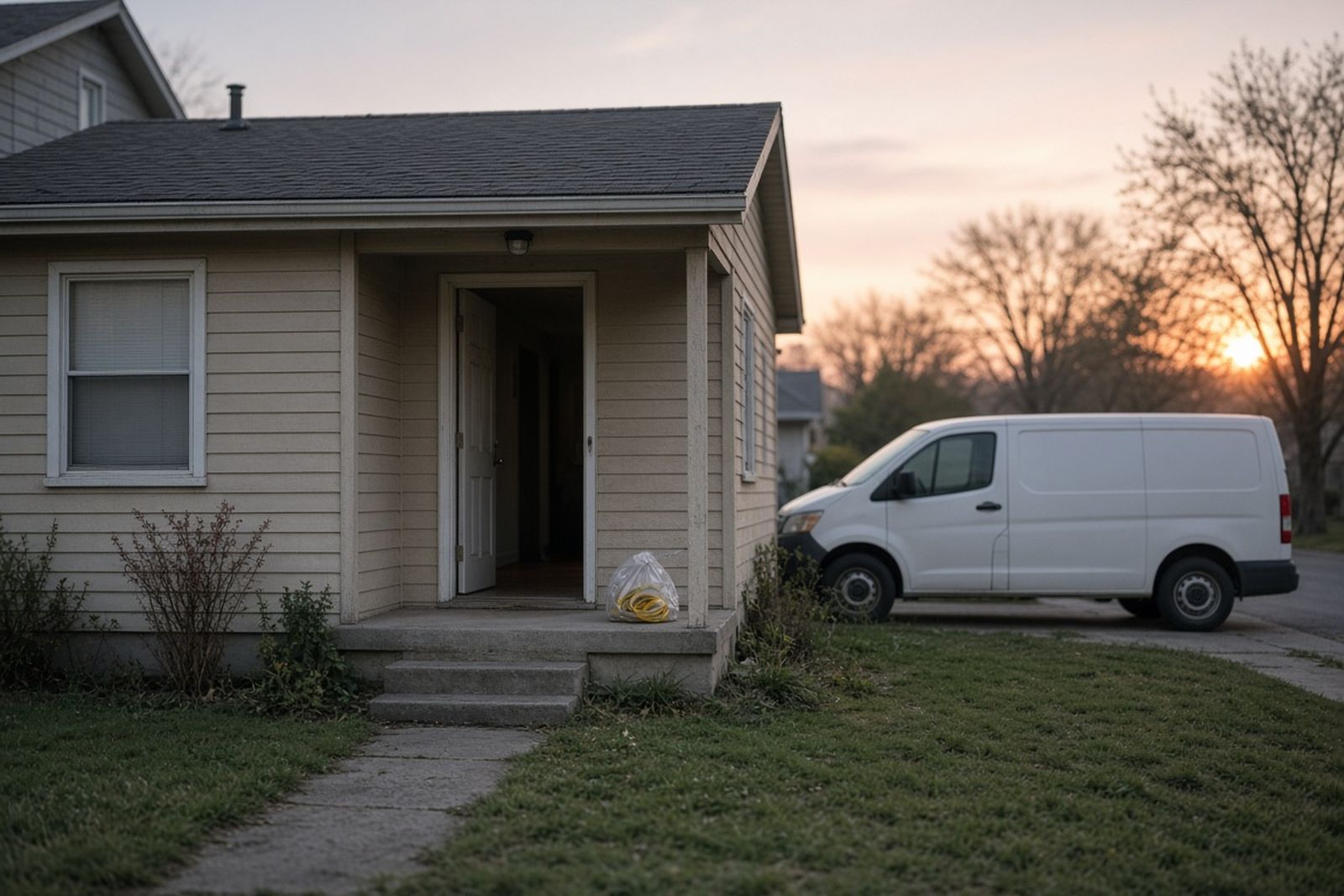
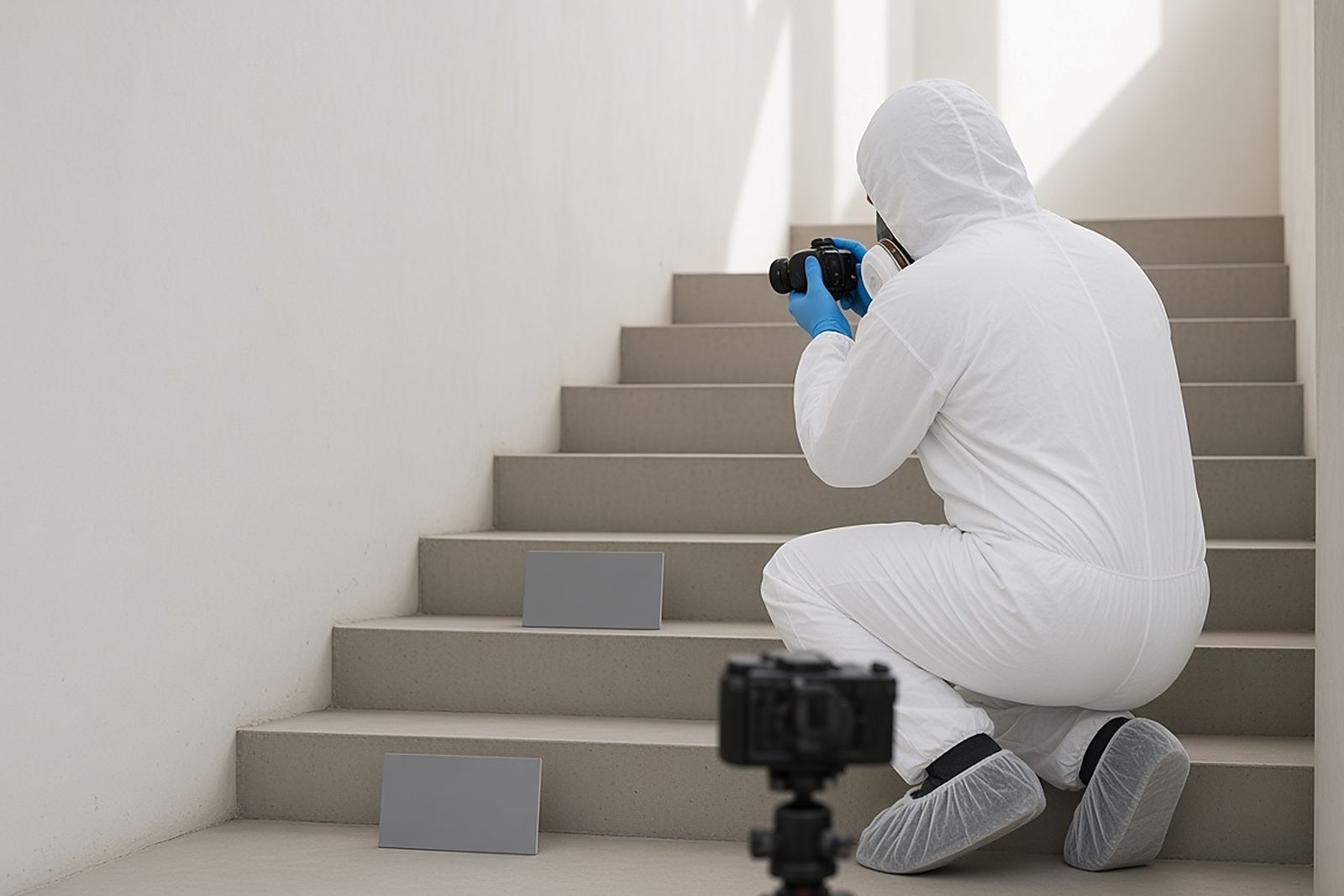
After a homicide, the timeline begins with the investigation, not the cleanup. Detectives and crime scene investigators may need hours or days to document the scene, collect evidence and consult with the medical examiner or prosecutor. In some cases they return for a second look before releasing the property.
Only the investigating agency can tell you when the home will be released and whether any area stays restricted. If you are unsure, ask the detective assigned to the case or a victim advocate. It is also reasonable to ask whether they have finished with specific items, such as a vehicle, a computer or a room, so you know what you can arrange.
Do not begin cleaning while the property is held, and do not hire anyone to enter before release. Even after release, it is wise to confirm in writing or by a clear phone call that cleanup may proceed.
While you wait, there are small things you can do from a distance. Write down the case number and the detective's name. Ask who holds the keys. Find out whether utilities such as power and water will stay on, since a provider will need both. Let your insurer know a loss has occurred, even if you cannot describe the damage yet. These steps take little energy and can save days once the home is released.
What slows the work: the hold and the spread
Time behind a closed door is not neutral. While a home is held, blood dries and bonds to surfaces, fluid keeps migrating into carpet pad, subfloor and baseboards, and odor builds in warm rooms. If the person was not found immediately, decomposition may also be present.
Each of those changes adds work. Dried residue takes longer to lift. Deeper migration means more flooring and wall material to remove. Odor may call for sealing and air treatment, which can require the home to stay empty for a period.
A provider who explains this is being honest with you. The goal is not to rush, but to plan for what the scene really needs so you are not surprised halfway through.
Scale and spread are the main drivers. Violent events can send fine droplets onto ceilings, fans, lamps, blinds and the sides of furniture. People moving through after the event, including responders who were trying to help, may have carried traces into hallways, stairways or outside. Each of those areas needs inspection and treatment.
Material type is the next factor. Sealed tile, stone and glass can be cleaned in place. Carpet, pad, upholstery, mattresses and drywall frequently need to be cut out and bagged. If fluid reached the subfloor or framing, the crew may need to remove or seal structural wood before disinfecting it.
Investigation residue is often more widespread than families expect. Fingerprint powder, evidence markers and adhesive from tape may appear in rooms that were otherwise untouched, and removing them without damaging finishes takes patience.
- Number of rooms and pathways affected
- Porous materials that must be removed
- Depth of migration into subfloor, walls or the floor below
- Extent of fingerprint powder and other residue
- Odor treatment and drying time
- Belongings that need sorting, cleaning or documentation
Hands-on work: one visit or several days
Honest providers avoid promising a number of hours before they see the scene. A contained area on hard surfaces may be finished in a single visit. A scene that spread across several rooms, soaked into flooring or developed strong odor during a long hold may require multiple days, with breaks for drying, odor treatment and verification.
Ask your provider to break the estimate into stages: removal, cleaning and disinfection, odor work, verification and waste transport. That breakdown makes it easier to see what is fixed and what depends on findings once flooring is opened.
If the crew discovers more contamination than expected, they should pause, show you or your representative what they found, and explain how it changes both time and cost before they continue.
Be cautious of any company that promises to be in and out in a set number of hours before anyone has walked the scene. Speed sounds reassuring when you are exhausted, but a rushed job can leave material under flooring or behind baseboards, and that often means odor returns and a second visit. A careful schedule that holds up is worth more than a fast one that does not.
A three-day timeline, illustrated
The townhouse timeline below is a composite, drawn for illustration rather than from a real family. A man is killed in the front hallway of his family's townhouse. His wife and children stay with relatives while police hold the home for four days. Once the detective confirms release, the wife's cousin takes over the calls.
The provider assesses the townhouse the next morning. The hallway has hardwood flooring over plywood, a runner rug, painted walls and a coat closet. Traces extend onto the front steps and into the kitchen. Fingerprint powder covers the front door, a side window and the closet door. The warm weather during the hold has produced some odor.
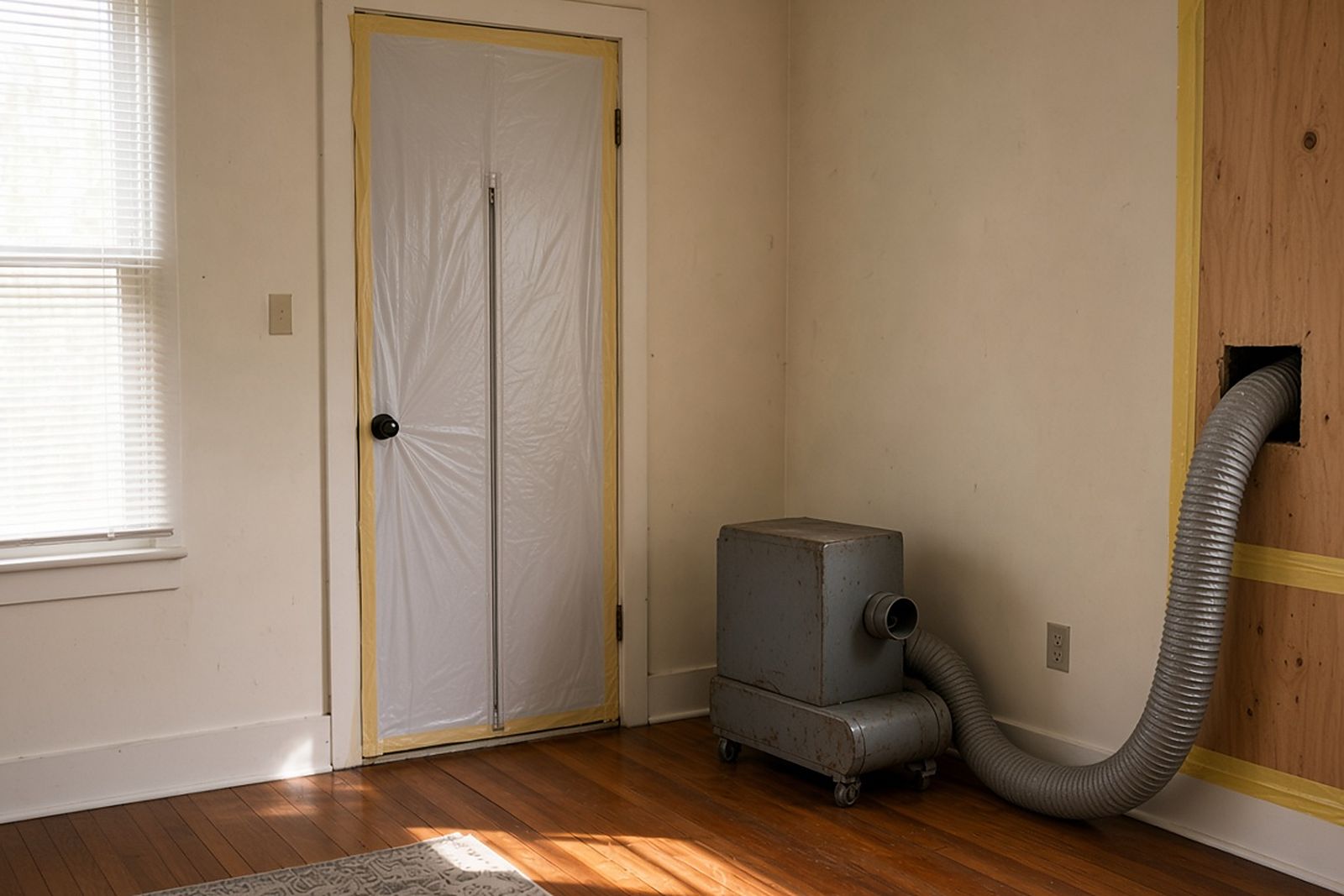
The family approves the scope that afternoon. On the first work day, the crew sets up containment, removes the runner and several hardwood boards and opens the baseboards. On the second, they clean and disinfect the plywood, walls and closet, seal the subfloor and remove powder. On the third, they run air filtration, clean the steps and kitchen floor and perform verification.
A flooring contractor replaces the boards later that week. In this illustration, investigation, approvals and repairs took longer than the cleaning itself, which is common but not universal.
How do paperwork and approvals affect the schedule?
Several parties may want a say before or during the work. Homeowners insurance may send an adjuster or review the scope. State victim compensation programs often need specific documentation, such as a police report number, itemized invoices and proof of who paid. Landlords, associations and lenders may have their own requirements.
You do not have to manage all of this alone. Many providers can send documentation directly to adjusters or compensation programs with your permission. Victim advocates can often explain what paperwork is needed in your state and how long reviews typically take in your area.
Practical tasks can feel overwhelming after a sudden death. If paperwork is weighing on you, it is fine to ask a relative, friend or advocate to take it on.
Belongings, waste and the records folder
Families often need time to decide what to keep. Photographs, documents, jewelry, clothing and items with cultural or religious meaning may be in or near the affected area. A thoughtful crew will set these aside, clean what can be cleaned, and ask before discarding anything personal.
Sorting can add time to the schedule, and that is time well spent. If you are not ready to make decisions, ask the provider to bag and label items so you can review them later. They can also photograph items that cannot be saved.
The rest of the home may need attention too. Odor can travel through heating and cooling systems, and fine powder may settle in rooms that seemed untouched. Ask whether the scope includes a check of unaffected rooms and a filter change.
Materials removed during cleanup are packed as regulated waste and taken to a permitted facility by an appropriate transporter. Timing can depend on the hauler's schedule and local requirements. Requirements for storage, labeling and transport differ across jurisdictions, and your provider should be able to tell you which apply to your home.
Ask for the disposal records when the work is done. They are useful for insurance, compensation claims and, if the property is sold later, for showing that the work was completed properly.
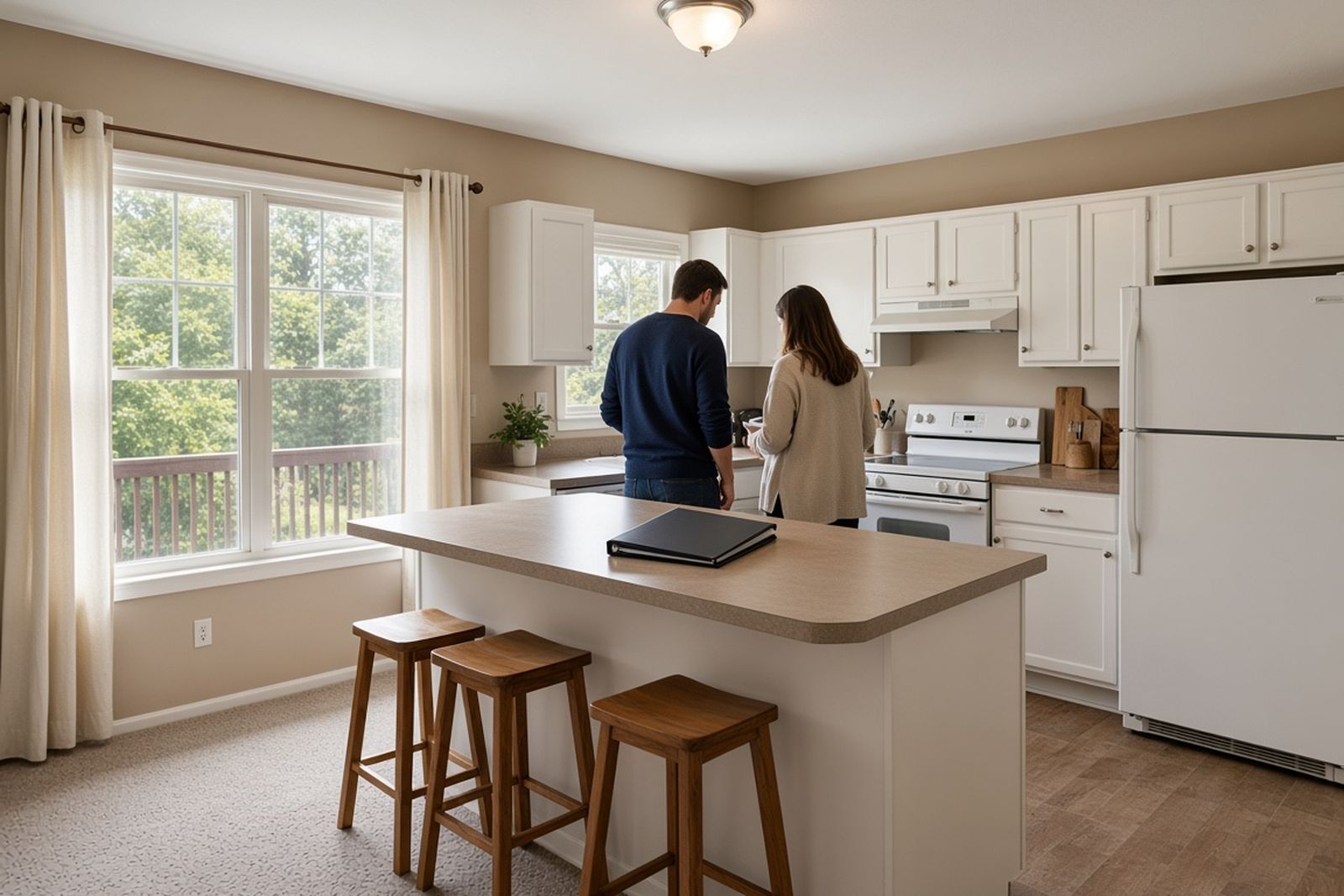
Keep a simple folder, paper or digital, for everything connected to the cleanup: the signed scope, photos, invoices, disposal records and any letters from insurers or compensation programs. When questions come up months later, as they often do during a court case or estate process, you will be glad to have it all in one place.
When will home feel like home again?
The physical work has an end date. The emotional return does not follow a schedule. Some families move back soon after verification. Others repaint, replace furniture or rearrange rooms first. Some decide not to return at all. Each of these choices is valid.
Homicide loss brings its own layers: the investigation, the court process and public attention. Many prosecutors' offices and police departments have victim advocates who can connect you with counseling, support groups for homicide survivors and practical help. Let them. The cleanup is one step. Your healing gets as much time as it needs.