Homicide Cleanup: Process & What to Expect
Property-specific walkthroughs for homicide cleanup: assessment, scope approval, hazard controls, material decisions, documentation, verification, and restoration handoff. Not every phase applies to every incident.
Posts in this category walk through each stage of a homicide cleanup, from the investigator's release to the final check. Knowing the steps ahead of time makes them feel less strange when they come. You will learn why crews trace the full path people walked through the home. You will learn why the sealed-off work area may reach well past the room where the death happened. You will also see why a worker might suggest cutting out flooring that looks clean on top. Some articles explain what happens when a crew finds something that could matter to the case. They cover why work stops and who gets called.
Get an email reply about homicide cleanup
Send a short message to the follow-up inbox. A coordinator can reply by email. This form does not send emergency help; call 911 first if anyone is in danger.
Knowing the order of the work helps you ask better questions. It also helps you spot a rushed or incomplete plan. For example, powders used by investigators need their own removal method. Soaked materials are recorded room by room for insurers. When you know this, you can tell whether an estimate matches the real job. These posts also answer everyday questions families often have. Do you need to be there? How are belongings sorted? What should the property look like when the cleanup part ends?
What to Expect During Professional Homicide Cleanup
What families can expect when a professional team cleans a home after a homicide: release, assessment, belongings, containment, verification and the handoff.
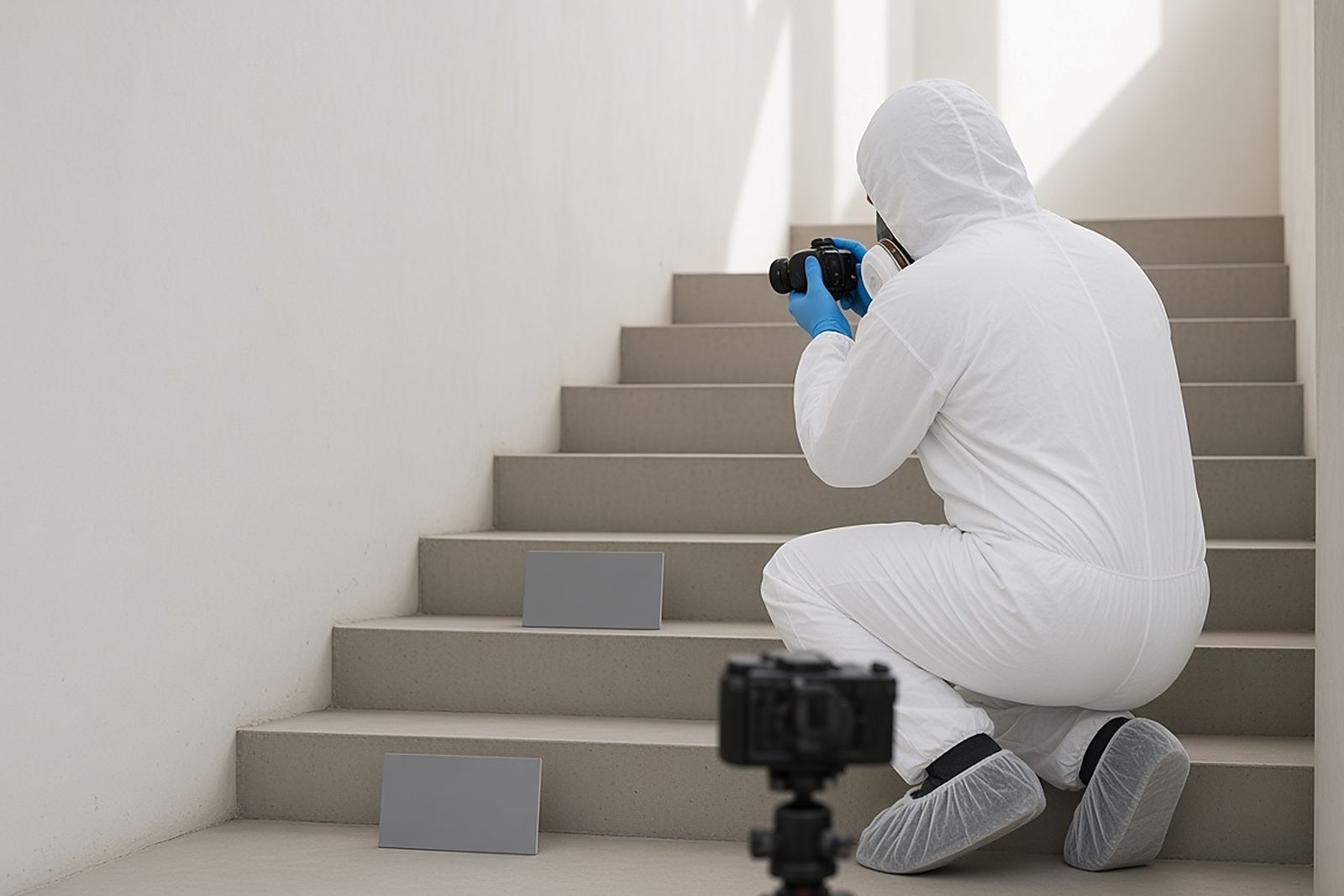
After investigators release the home, a homicide cleanup team assesses the scene, writes a scope, and agrees with the family on which belongings to set aside. The crew then contains the work area, removes contaminated materials, cleans evidence residue, disinfects, handles regulated waste and verifies results. Families should expect discretion, clear communication, documentation for insurance and compensation claims, and no pressure to be present.
How Long Does Homicide Cleanup Take?
Why homicide cleanup timelines stretch or shrink: investigation holds, how far material spread, subfloor damage, odor, belongings and paperwork after the loss.
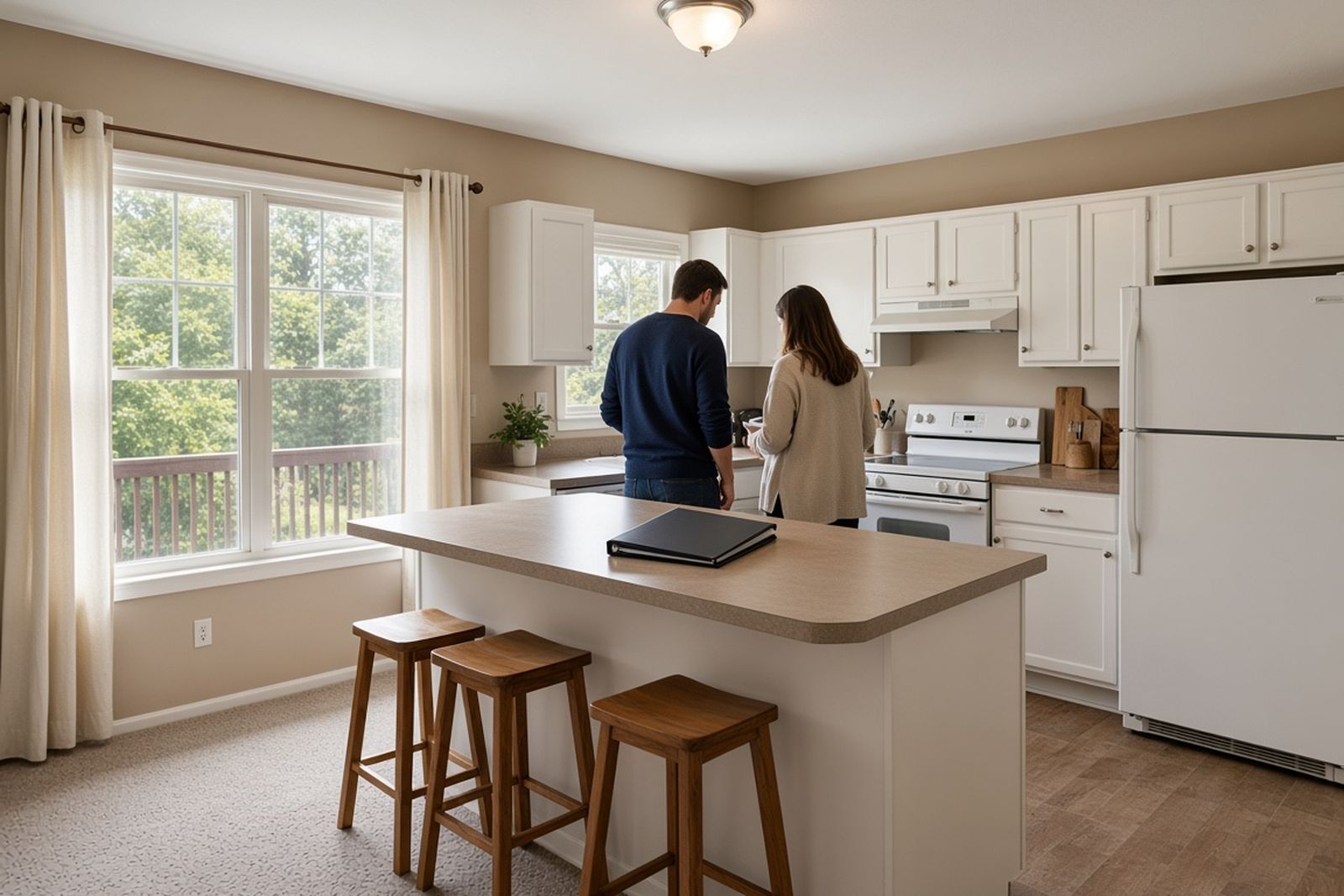
Homicide cleanup time is shaped first by the investigation, since no work can start until police release the property, and then by the scene itself: how many rooms were affected, whether fluid reached subfloor or walls, how much odor developed during the hold, and what belongings need sorting. Approvals, waste transport and repairs add time. An on-site assessment is the only way to get a real schedule.
Urgent Homicide Cleanup: What to Do Before a Provider Arrives
Guidance for families in the first hours and days after a homicide at home, before a cleanup team arrives: the police hold, essentials, security and support.
Before a homicide cleanup team arrives, let investigators finish their work and wait for a formal release. Arrange a safe place to stay, ask officers to retrieve essentials, and connect with a victim advocate. After release, secure the home, avoid entering affected rooms, do not attempt any cleaning, and choose one family member to coordinate the provider, insurer and landlord.
Sourced figures on process & what to expect
- 157.4 per 10,000
Janitors and cleaners in private industry had 157.4 nonfatal injuries and illnesses involving days away from work per 10,000 full-time workers in 2019.
Read with care: Counts only cases with days away from work and does not isolate injuries from chemical or biohazard exposure.
Source: BLS (2019)United States, private industry, janitors and cleaners except maids and housekeeping cleaners
- 24–48 hours
EPA advises drying water-damaged areas and items within 24 to 48 hours to prevent mold growth.
Read with care: The window is shorter in warm, humid conditions.
Source: US EPA (2026)Residential guidance, United States
- 90%
Americans spend approximately 90 percent of their time indoors, according to EPA.
Read with care: Average figure; children, elderly and ill people spend even more time indoors.
Source: US EPA (2026)US population average
These figures are public research and agency data, not this network's own job records. Keep each number with its population, year and limits; none of them predicts cost, timing or outcome at a specific property.
What research has found
Findings from published studies of people and properties in situations like this one. They describe what researchers observed in a specific group; they are not predictions for your case.
Being related to both victim and perpetrator complicated some participants' bereavement.
Community gossip made some participants feel scrutinised rather than supported.
Process & What to Expect: common questions
Why might a crew work in rooms where nothing seems to have happened?
During and after a violent event, people move through the home. That includes responders, investigators, and sometimes the victim. They can carry traces along hallways, stairs, and door handles. A careful provider walks that whole route and checks surfaces that may have been touched. Cleaning only the obvious room can leave contamination in places the family uses every day.
What does a homicide scope usually look like when the remediation part is finished?
Soiled materials are gone. The remaining surfaces are cleaned and disinfected, and the investigation residue is removed. But the space may look unfinished, because drywall or flooring was cut out. Rebuilding is usually a separate stage with its own contractor. Ask for photos and a written summary showing each room's condition at the end. Then you can compare it with the original plan.
Will I be asked to make decisions while the work is underway?
Often, yes. This is most likely for belongings that were near the affected area, or for materials that could be either cleaned or replaced. A caring provider sets up a way to reach one chosen family member or estate representative. It explains the options briefly and writes down the answer. Picking that contact person ahead of time keeps grieving relatives from being asked question after question at the home.
Which article in this category should I read first?
If the home was just released, start with the article on what to do first. Then read the walkthrough of what professional cleanup looks like. Those two cover the order of events from the first phone call to the final report. The timeline article helps next if you are planning a place to stay or time off work. Save the example case study for when you are reviewing a provider's written plan.
How much of the process will the family need to be involved in?
Usually very little beyond a few key choices. Someone with authority needs to confirm release and approve the plan. That person also decides about belongings and reviews the final report. The provider can handle everything else, with a relative, friend, or advocate acting as the contact. The articles in this category show where family input matters most. That way you can save your energy for those moments.
Do these process articles apply to vehicles or outdoor scenes?
The same steps still apply: release, assessment, a written plan, cleanup, disinfection, waste handling, and a final wrap-up. But vehicles and outdoor areas add their own details. A vehicle involves the title holder and sometimes a lender. Outdoor scenes raise questions about soil and water runoff. Several articles mention these settings briefly. Ask any provider you are considering whether it handles them itself or sends the work elsewhere.
What if our experience does not follow the order described in these articles?
That is common. A release may cover only part of the home, and investigators may come back. Approvals can take longer than expected. Hidden contamination can change the plan. The articles describe a typical order so you know what each step is for. It is not a fixed schedule. When something happens out of order, ask the provider how it affects the next step. Keep a written note of the change.
Related community polls
Every count is a real visitor vote; nothing is seeded or padded. One vote per poll per device, and you can change your answer.
What was hardest to arrange after the scene was released?
When did you first learn that a victim compensation program might help?
More on homicide cleanup
Homicide Cleanup services
Learn what homicide cleanup involves for families, estates, and landlords. Topics range from sealing off several rooms to lists of belongings and final records.
Costs explained
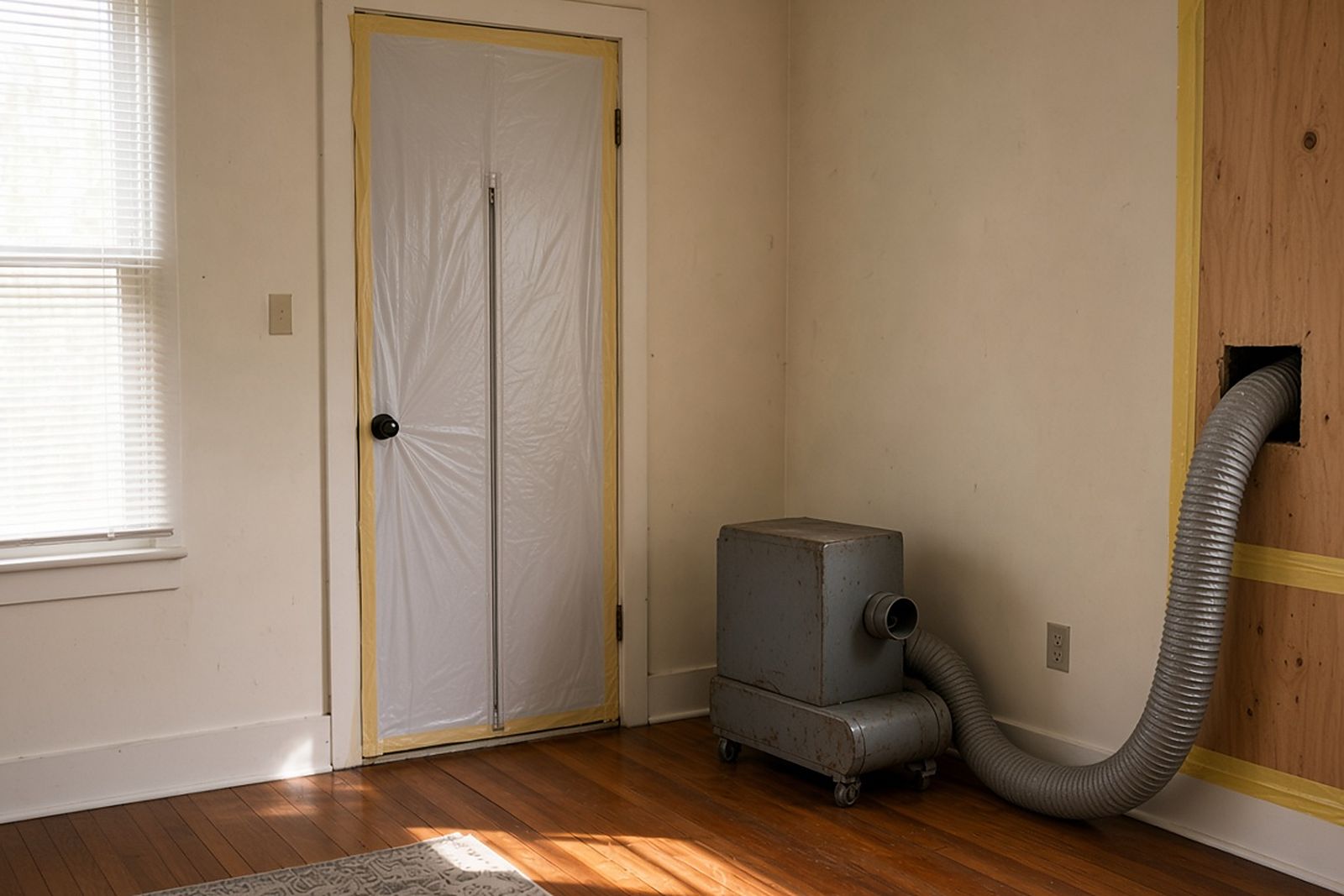
What drives the price, published cost ranges, and how to read a written quote line by line.
Insurance and payment
Which policies may respond, how to document a claim, and what to do if coverage is denied.
Planning tools
Planners, checklists, and organizers for the weeks after a homicide. They cover police holds, estate authority, landlord duties, and victim compensation.
Community polls
Shared experience from families, advocates, and landlords on what was hardest after a homicide and what help mattered.
Knowledge quiz
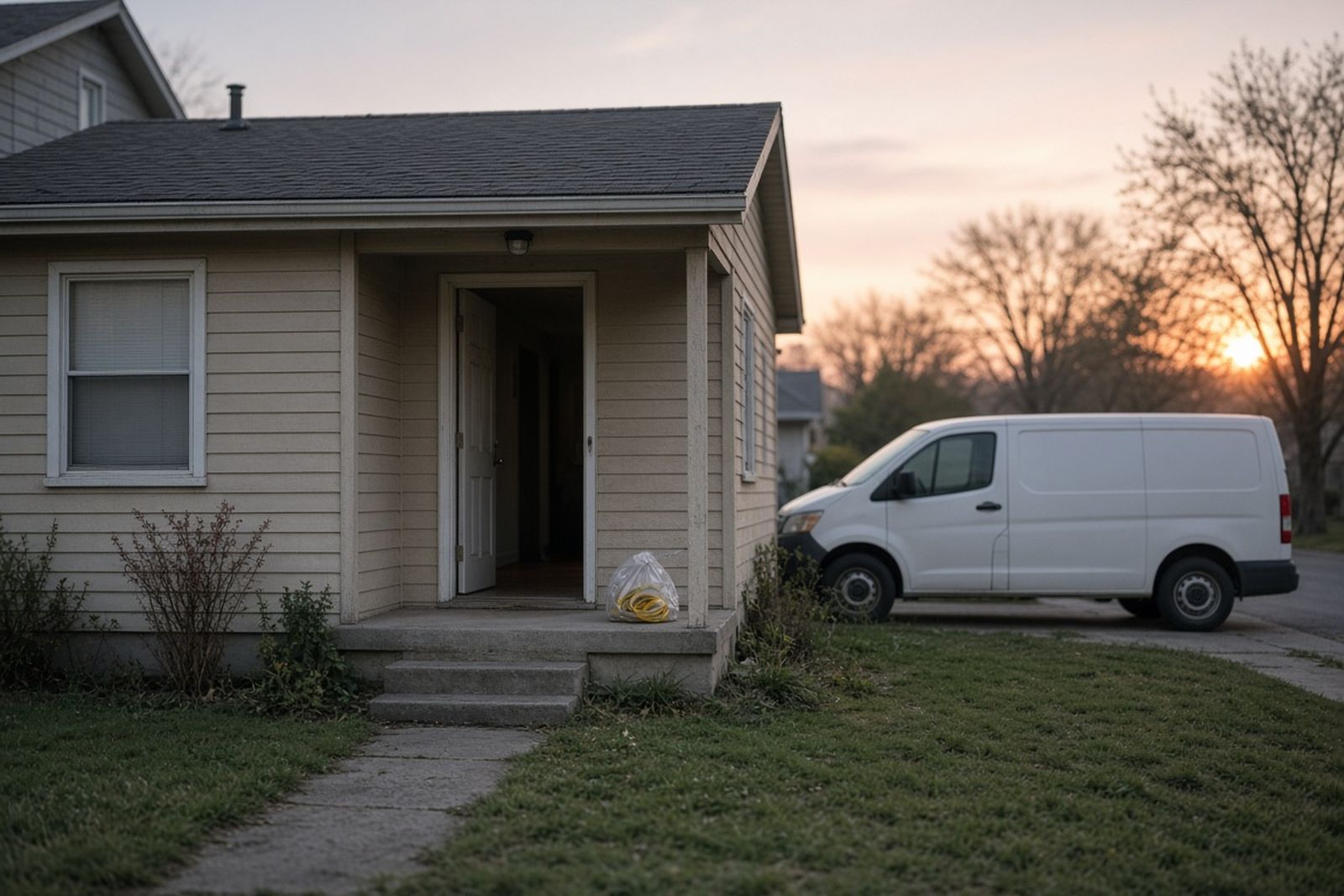
A calm review of police holds, authority, sealing off work areas, disinfecting, waste, and records. The study guide is written for grieving families and the people helping them.