Homicide Cleanup: Industry Insights
How homicide cleanup companies work, how homes and businesses differ, and what new tools can and cannot do.
Industry insights posts explain how the homicide cleanup business works behind the scenes. This helps you make sense of the companies competing for your call. Articles compare national networks that pass jobs to partner companies with local firms that use their own workers. They explain how subcontracting can blur who is responsible. They also show how companies arrange waste disposal through licensed haulers and sites. You will read about training programs in the field, changing standards for record keeping, and how ties with insurers and victim services shape the business.
Get an email reply about homicide cleanup
Send a short message to the follow-up inbox. A coordinator can reply by email. This form does not send emergency help; call 911 first if anyone is in danger.
This helps you understand why the business name in an ad may not match the crew that shows up. It also explains why some companies push for a quick signature. The posts point out good trends too, such as better photo records and more care in how crews speak with families who have been through trauma. Understanding the business makes it easier to judge whether a company's promises are realistic and its practices are open and honest.
How Homicide Cleanup Practice Has Changed
Families once had to clean up after a homicide alone. See how trained crews, victim services and kinder care changed that, and what it means for you today.
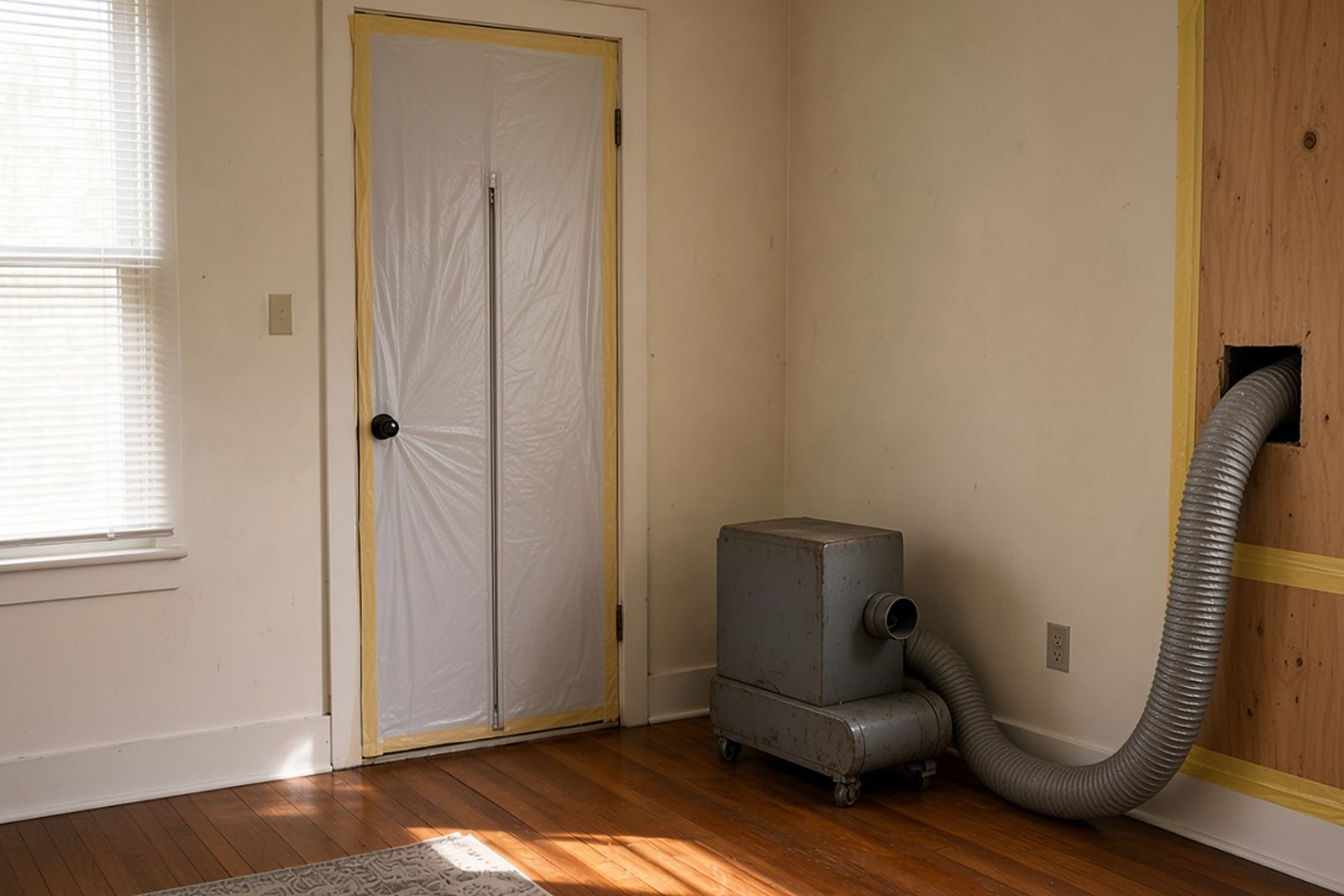
Cleanup after a homicide was once left to the family or the landlord. Over time, worker safety rules, registered disinfectants and more thorough police work changed that. So did victim compensation, survivor advocacy and privacy concerns. Today you can expect trained crews, a written work plan, care with your belongings and detailed records. Standards still vary by state, so you still need to choose a company with care.
Homicide Cleanup for Property Managers: What You Need to Know
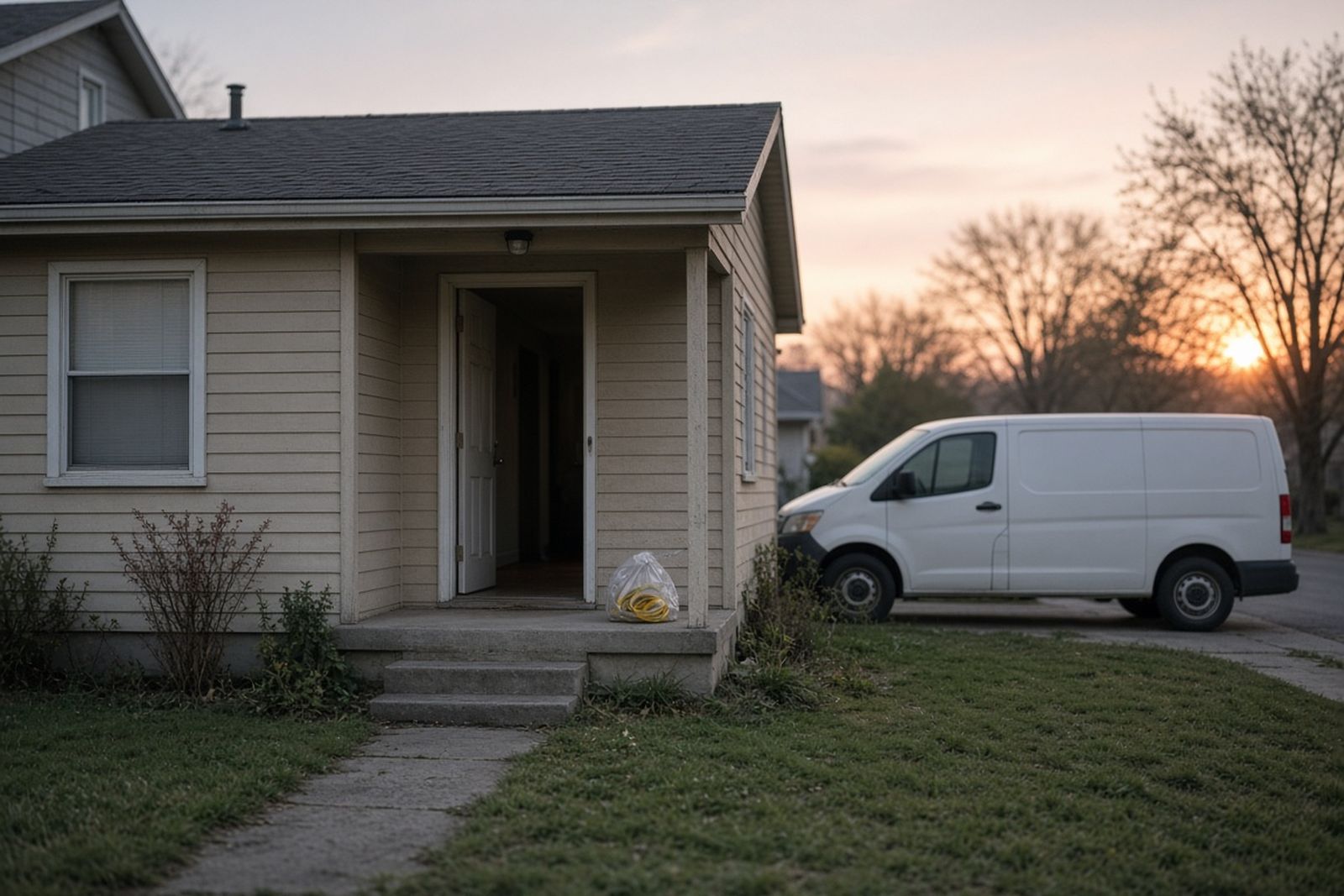
For property managers after a homicide in a unit. Learn when work can start, who approves it, how to care for your residents and when you can reopen.
Wait for a clear written release from the police. Then keep two things apart: your authority over the building and the estate's authority over belongings. Hire a company that can handle both blood and police residue. Keep residents informed without details and send reporters to one person. Tell your insurer early, and set a written condition for reopening the unit.
Homicide Cleanup Planning Example: Building a Defensible Scope
A fictional homicide cleanup, step by step. See how a good written work plan handles police limits, residue, your belongings, waste and the records a claim needs.
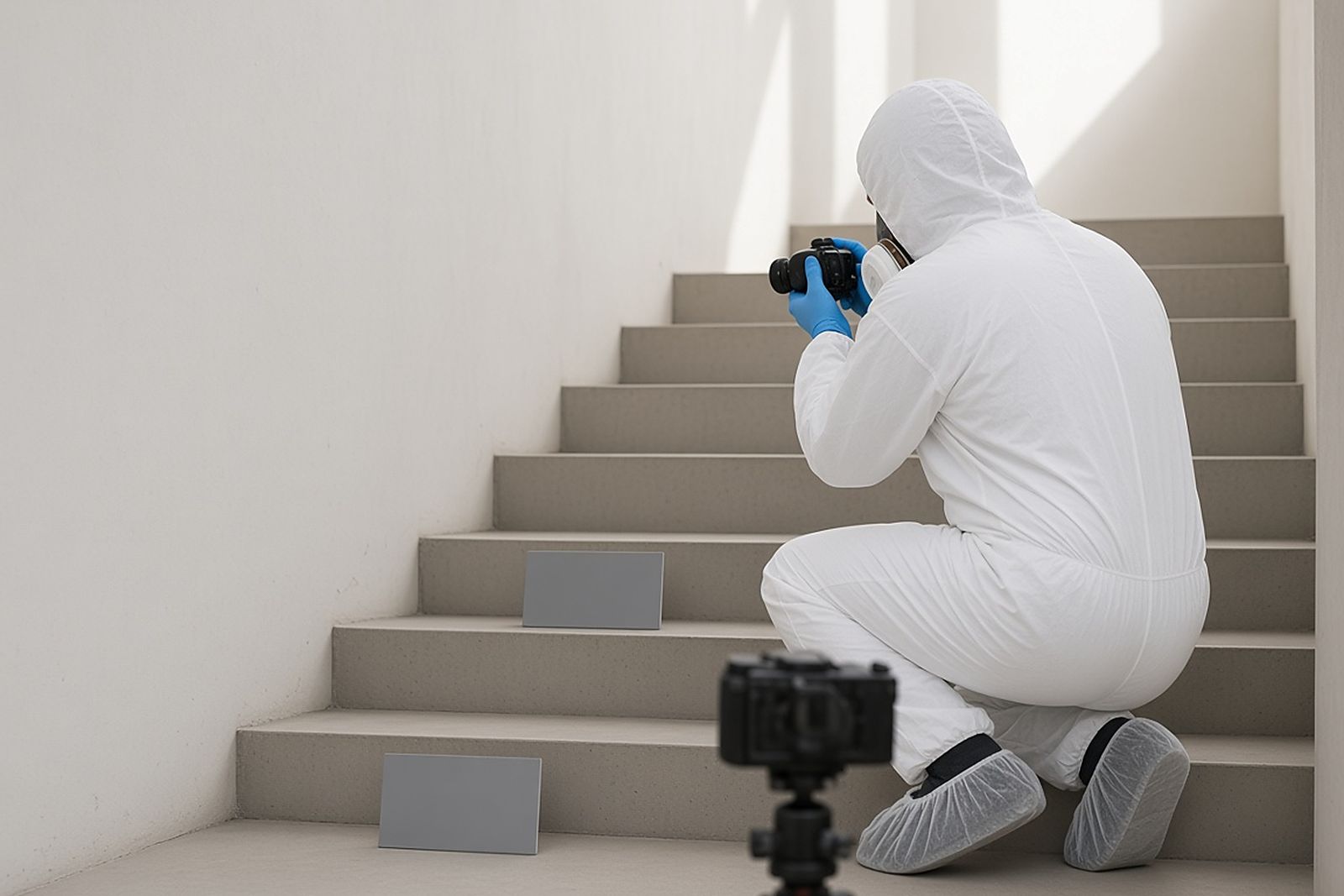
A written work plan you can trust starts with the police release. It lists every affected room and path, and ties each step to a photo of what was found. It treats police residue apart from blood, protects your belongings and names the products and the waste hauler. It says what is left out, requires your written approval for changes and ends with records that insurers and compensation programs can use.
Commercial vs Residential Homicide Cleanup
How cleanup after a homicide differs between your home and a store, office or hotel: police holds, who approves the work, staff, news crews and reopening.
The cleaning methods are the same in a home and a business. What changes is everything around the work. At home, the family, the estate and privacy come first. A business adds landlords, insurers, staff who may be witnesses, customers, news crews and pressure to reopen. In both, wait for a written police release, check every path, keep good records and offer support to the people affected.
Environmental Responsibility in Homicide Cleanup
How a careful crew protects your yard, your storm drains and your belongings after a homicide, and handles police residue and waste the right way.
A careful crew deals with two kinds of residue: blood and body fluids, and police materials such as fingerprint powder. It keeps both out of places they do not belong. It removes only what is truly affected and protects soil and storm drains outdoors. It sorts regulated waste from ordinary trash, uses approved products as the label says, hires a licensed hauler and gives you disposal records.
Facts worth knowing
In a 2024 online survey of 1,015 US adults who lost someone to homicide, suicide, overdose or a crash, 40.3% showed signs of PTSD and 23.7% of prolonged grief.
Why it matters: If nightmares, flashbacks or heavy grief go on for weeks, you may benefit from seeing a doctor or counselor.
In a 1991 national survey of 206 close family members of homicide victims, 23.3% had post-traumatic stress disorder at some point in their lives.
Why it matters: Lasting distress after a homicide is common, so talk to a doctor or counselor if your symptoms do not ease.
Source: National Institute of Justice (Amick-McMullan, Kilpatrick & Resnick), 1991
In a UK survey of adults bereaved in 2020, 56% of those who sought help from bereavement services had trouble getting it.
Why it matters: Support can be hard to reach, so you may need to ask more than once or try more than one service.
Industry Insights: common questions
Why does the company on the website sometimes differ from the crew that shows up?
Some websites are referral services or national networks that pass calls to local partner companies. The partner then does the work under its own name or the network's brand. That setup is not always bad. But you should know who is responsible under the contract and who carries insurance for the job. You should also know whom to call if something goes wrong.
Are there industry standards for homicide cleanup?
Several trade groups and training programs publish guidance and offer courses on trauma cleanup. Federal workplace rules set basic protections for workers. But there is no single required standard that every company must follow for the scene cleanup itself. Ask a company which guidance it uses and how its workers are trained. Also ask whether its records follow a known standard.
How do cleanup companies handle the waste they remove?
Most companies hire licensed regulated waste haulers or hold their own hauling permits. The waste goes to treatment or disposal sites that accept it. The setup varies by region and by company size. Ask to see the disposal paperwork for your job. It confirms that materials from your home were handled through proper channels.
Why should a family care about how the cleanup industry works?
Knowing how the business works helps you spot referral networks, subcontracting, and sales tactics. It also helps you see real differences between companies. That makes it easier to ask who will actually do the work, how prices are set, and who stands behind the job. You do not need to become an expert. But a little background can protect you from pressure and help you choose with confidence.
How is homicide cleanup different from other services these companies offer?
Many companies also handle unattended deaths, hoarding, sewage, or general biohazard work. Homicide cleanup adds more. It involves releases from investigators and stop-work steps if possible evidence turns up. It means removing residue left by forensic teams and taking extra care with privacy. Sometimes it also means long court cases. The industry articles explain these differences so you can ask whether a company's experience covers the special needs of a homicide scene.
Are there trends in the industry families should know about?
Records have become more detailed. Practices that protect privacy are more common. Surface checks are more widely offered. At the same time, pushy marketing and call-center referral networks are still part of the field. The industry articles describe both sides. That way you can benefit from the good changes while staying alert to practices that do not serve families well.
Where can I learn more about a specific company's reputation?
Online reviews, your state consumer protection office, local business records, and referrals from victim advocates can all offer clues. Look for patterns in how a company treats families instead of focusing on one review. If it makes sense, ask the company for references from property managers or insurers. The industry articles explain which signs tend to matter most.
Related community polls
Vote to see how other people answered. You can change your answer at any time.
What was hardest to arrange after the scene was released?
When did you first learn that a victim compensation program might help?
More on homicide cleanup
Homicide Cleanup services
Learn what homicide cleanup involves for families, estates, and landlords. Topics range from sealing off several rooms to lists of belongings and final records.
Costs explained
What drives the price, published cost ranges, and how to read a written quote line by line.

Insurance and payment
Which policies may respond, how to document a claim, and what to do if coverage is denied.
Planning tools
Planners, checklists, and organizers for the weeks after a homicide. They cover police holds, estate authority, landlord duties, and victim compensation.
Community polls
Shared experience from families, advocates, and landlords on what was hardest after a homicide and what help mattered.
Knowledge quiz
A calm review of police holds, authority, sealing off work areas, disinfecting, waste, and records. The study guide is written for grieving families and the people helping them.