Homicide Cleanup: Health & Wellness
Privacy, decision-load, trauma-aware communication, and verified support resources for people managing homicide cleanup. Educational remediation content is not mental-health treatment.
Health and wellness posts cover the physical and emotional side of living through the aftermath of a homicide. They are for people who lost someone close, people who manage the property, and neighbors affected by what happened. Articles cover simple ways to care for yourself during the cleanup. Examples include staying away from the scene, sleeping somewhere else if that helps, and keeping children away from affected areas. Other posts explain what victim advocates, grief counselors, and support groups can offer, and how to find them near you.
Get an email reply about homicide cleanup
Send a short message to the follow-up inbox. A coordinator can reply by email. This form does not send emergency help; call 911 first if anyone is in danger.
People react to a violent death in many different ways. There is no right way to feel while a home is being cleaned. These articles do not assume grief looks a certain way or follows a schedule. Instead, they offer options and resources you can use or skip. They also suggest ways to share tasks with others, so no one person carries every choice alone.
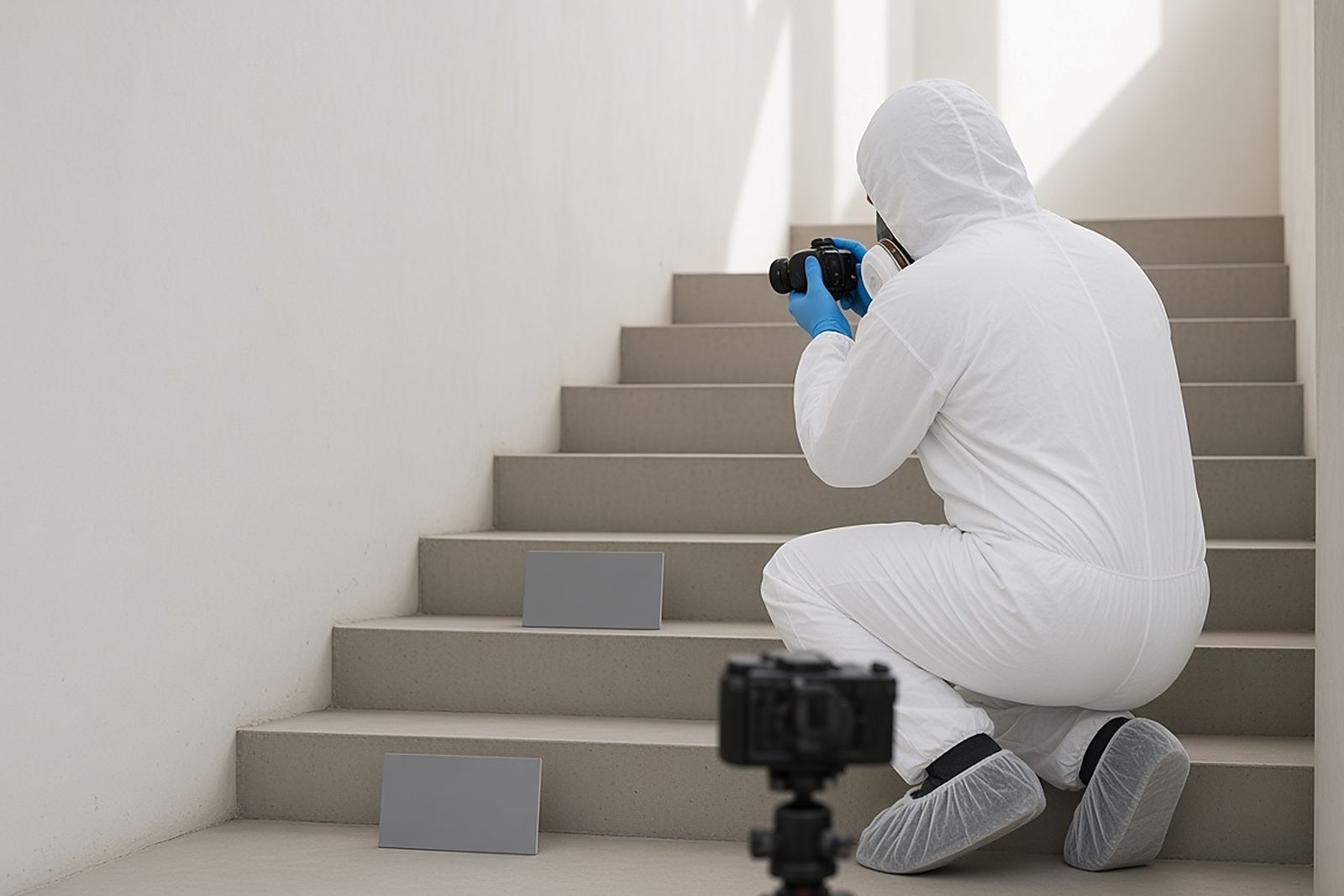
Managing Stress and Disruption During Homicide Cleanup
How families can cope with the grief, trauma and disruption that surround homicide cleanup, from delegating tasks to deciding whether to stay in the home.
Homicide cleanup often happens while a family is absorbing traumatic grief, speaking with investigators and facing public attention. You can protect yourself by letting a trusted person manage the cleanup, staying away during the work, deciding later which belongings to keep, pacing your return to the home and connecting with victim advocates and homicide survivor groups. Persistent distress deserves professional support.
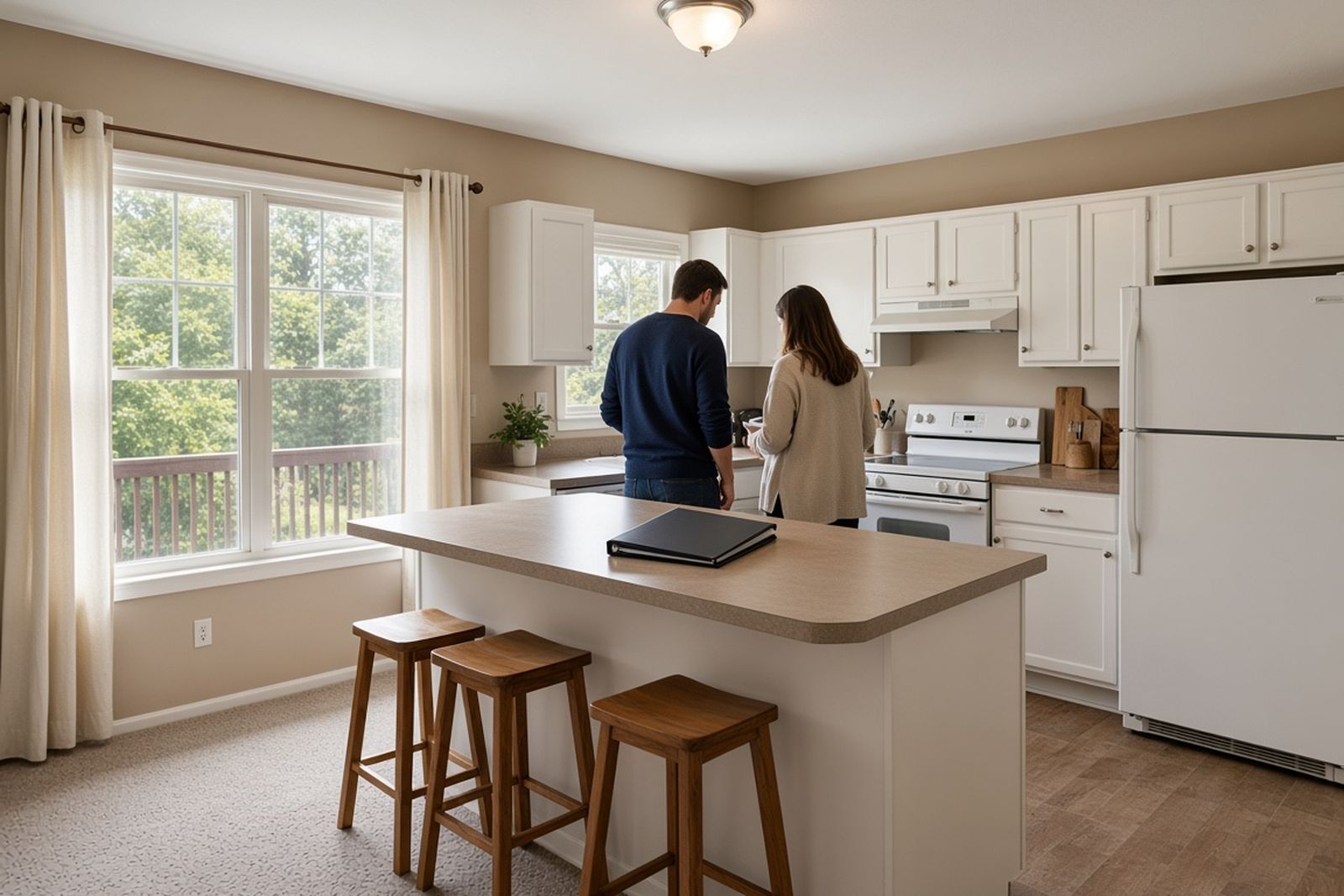
Mental Health Resources During Homicide Cleanup
Support for families while a home is cleaned after a homicide: victim advocates, survivor groups, trauma counseling, crisis lines and help for grieving kids.
Cleanup restores a property; it does not treat trauma. While the work happens, lean on victim advocates from police or prosecutors' offices, homicide survivor groups, trauma-informed counselors, your doctor and faith or community supports. Ask whether your state's victim compensation program may help with counseling. Let trusted people handle cleanup details, and call or text 988 if anyone feels unsafe.
Sourced figures on health & wellness
- 76.2%
Firearms were used in 76.2% of homicides captured by NVDRS in 2022.
Read with care: NVDRS links death certificates, coroner/medical examiner and police reports; 2022 is the first year with all 50 states, and location is recorded for the injury site, not always the residence of the decedent.
Source: CDC (2022)United States, 50 states, DC and Puerto Rico, 2022
- 15,364
Firearm homicides accounted for 15,364 U.S. deaths in 2024, a rate of 4.5 per 100,000.
Read with care: Death-certificate data; includes legal intervention only if coded as homicide.
Source: CDC National Center for Health Statistics (2024)United States, 2024, death certificates
- 48.6% South
Of the estimated U.S. murders in 2024, 48.6% were reported in the South, 21.0% in the West, 20.3% in the Midwest and 10.2% in the Northeast.
Read with care: FBI estimates are based on data from 16,675 agencies covering 95.6% of the U.S. population; expanded homicide details cover only victims with supplemental data reported.
Source: FBI (2024)United States, 2024, by Census region
These figures are public research and agency data, not this network's own job records. Keep each number with its population, year and limits; none of them predicts cost, timing or outcome at a specific property.
What research has found
Findings from published studies of people and properties in situations like this one. They describe what researchers observed in a specific group; they are not predictions for your case.
Integrating bereaved children into a new household was an ongoing challenge.
Some bereaved people felt responsible for easing visitors' discomfort.
Health & Wellness: common questions
Is it normal to want nothing to do with the property after a homicide?
People react in many ways. Some would rather never see the property again. Others want to be closely involved. Both reactions make sense. You can choose a trusted relative, friend, or estate representative to handle calls and walkthroughs for you. A good provider will respect that setup without asking you to explain your reasons.
Where can I find support that understands homicide loss specifically?
Victim services offices often keep lists of local counselors and support groups who understand violent loss. Some national groups run peer support for families of homicide victims. Your state compensation program may also cover some counseling costs. Ask the victim advocate assigned to the case which resources other people in your area have found helpful.
Should children return to the home after cleanup is complete?
That depends on the child and the family. It also depends on whether the family will keep living in the home. Some families find it helps to change the room's layout or finishes before children come back. Others move. A pediatrician or child counselor can give advice that fits your child. There is no need to rush that choice.
Are these wellness articles a substitute for counseling?
No. They offer information and encouragement. But they cannot replace support from a counselor, doctor, support group, or victim advocate who understands your situation. If grief or trauma feels like too much, reach out to one of those supports. If anyone in your family is thinking about suicide or feels unsafe, call or text 988 to reach the Suicide and Crisis Lifeline.
Which article is best for someone who has to manage the cleanup while grieving?
The article on mental health resources during homicide cleanup is a good place to start. Then read the one on how cleanup affects property owners emotionally. Together they explain how to hand off tasks, protect yourself during the work, and find support. They also cover common feelings, such as guilt or anger, that can surprise people handling practical matters.
How can friends use these articles to support a grieving family?
Friends can learn which practical tasks help most, such as making calls, bringing meals, or handling messages. They can also learn what to avoid, such as trying to clean the scene. The articles describe common grief reactions after homicide, so friends are less likely to say something hurtful. Sharing a helpful article with others in the support circle can help everyone offer the same kind of help.
Do these articles address the needs of cleanup workers as well?
They focus mainly on families and property owners. But some articles mention that workers can also be affected by hard scenes. Responsible providers support their crews with talks after tough jobs, time off, and access to counseling. If a worker seems affected, a kind word can matter. Still, families should not feel responsible for a crew's wellbeing. That job belongs to the employer.
Related community polls
Every count is a real visitor vote; nothing is seeded or padded. One vote per poll per device, and you can change your answer.
What was hardest to arrange after the scene was released?
When did you first learn that a victim compensation program might help?
More on homicide cleanup
Homicide Cleanup services
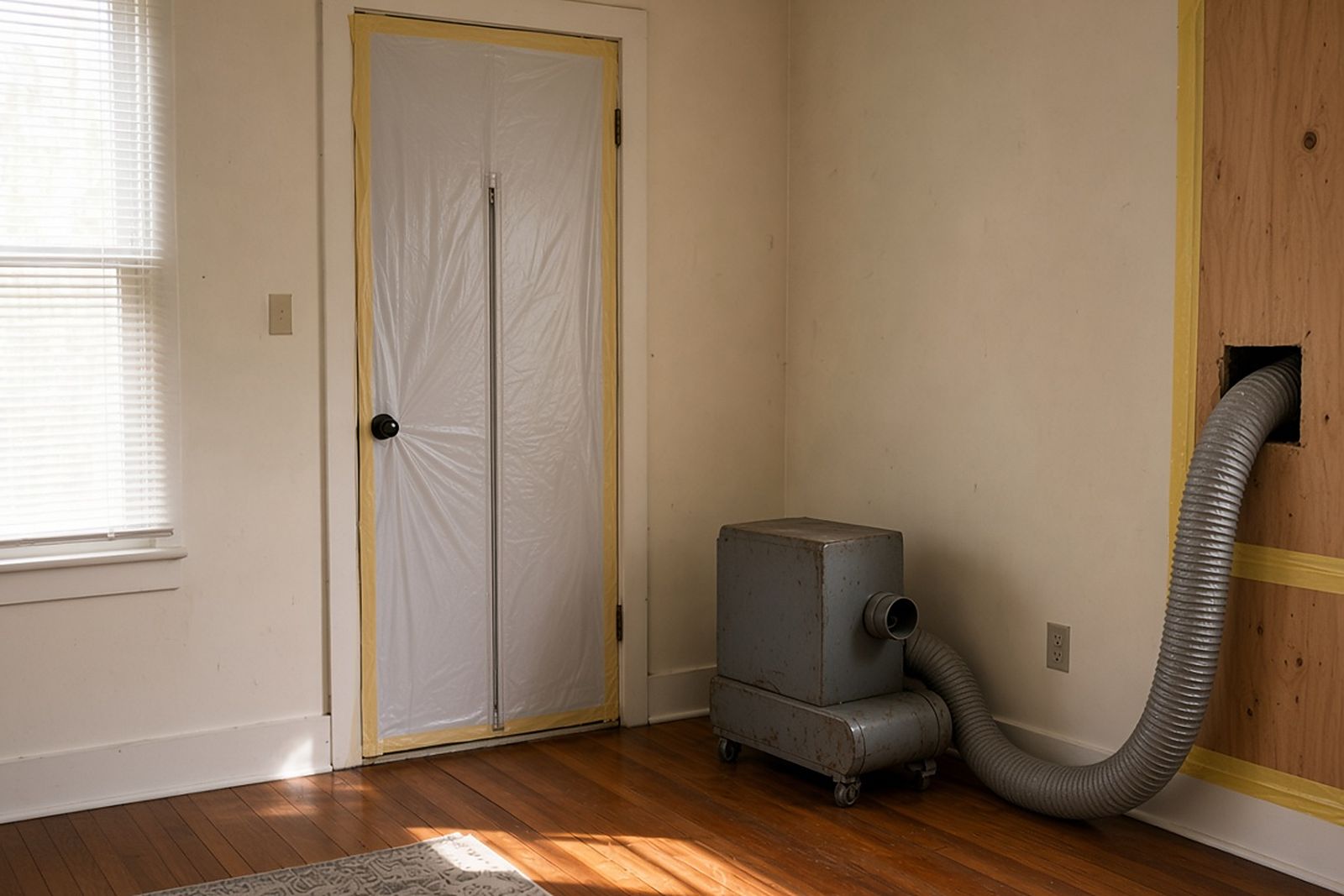
Learn what homicide cleanup involves for families, estates, and landlords. Topics range from sealing off several rooms to lists of belongings and final records.
Costs explained
What drives the price, published cost ranges, and how to read a written quote line by line.
Insurance and payment
Which policies may respond, how to document a claim, and what to do if coverage is denied.
Planning tools
Planners, checklists, and organizers for the weeks after a homicide. They cover police holds, estate authority, landlord duties, and victim compensation.
Community polls
Shared experience from families, advocates, and landlords on what was hardest after a homicide and what help mattered.
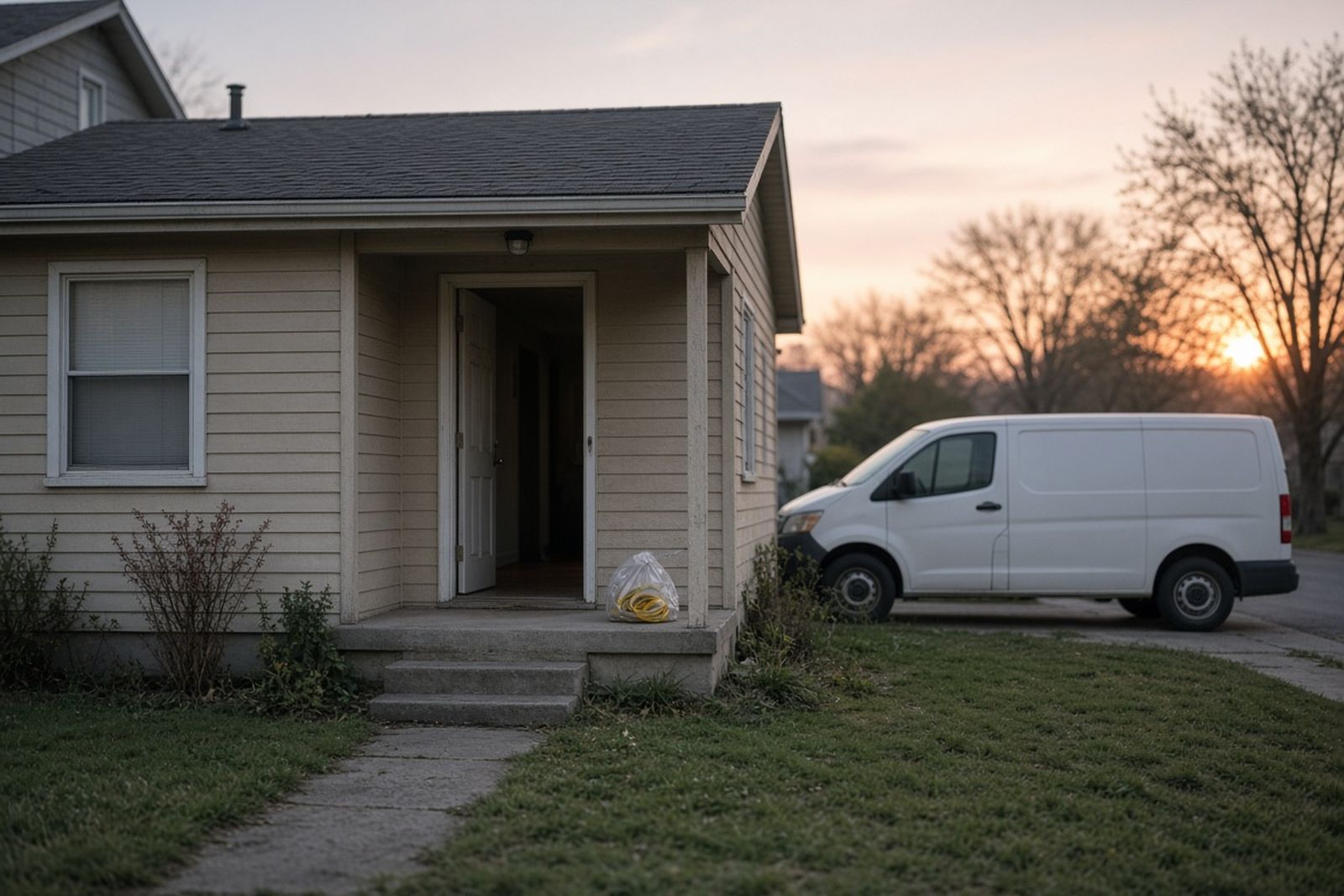
Knowledge quiz
A calm review of police holds, authority, sealing off work areas, disinfecting, waste, and records. The study guide is written for grieving families and the people helping them.