Homicide Cleanup: Costs & Insurance
Decision-focused information about homicide cleanup scope variables, estimate comparison, documentation, and policy questions. Coverage depends on the triggering peril, policy language, limits, exclusions, deductible, and carrier review.
This category helps families, estates, and property owners understand how homicide cleanup is priced and who might help pay. Posts explain why the size of the job varies so much from one scene to another. Factors include the size of the affected area, how far fluid soaked in, how many rooms investigators worked in, and whether parts of the structure must be removed. You will also find help with homeowner, renter, and landlord policies. Other posts cover state crime victim compensation programs and how these sources may work together when more than one could help.
Get an email reply about homicide cleanup
Send a short message to the follow-up inbox. A coordinator can reply by email. This form does not send emergency help; call 911 first if anyone is in danger.
Money can feel hard to talk about after a death. But clear information prevents surprise bills and missed deadlines. Articles explain which records insurers and compensation programs often ask for. They show why itemized estimates are easier to review than one total. They also explain how to keep cleanup charges separate from later rebuilding. The goal is to help you talk with adjusters and providers with confidence. It is not to predict what any policy or program will pay.

What Drives Homicide Cleanup Cost?
What shapes the cost of cleanup after a homicide: extended police holds, multi-room scenes, evidence cut-outs, odor, belongings and who may help the family pay.
Homicide cleanup cost depends on how many rooms and materials were affected, how long the home was held by investigators, how much evidence-processing residue remains, whether odor has developed, and how much regulated waste must be removed. Family requests about belongings and discretion can also affect time. A written, itemized scope based on an on-site assessment is the only reliable way to know your number.
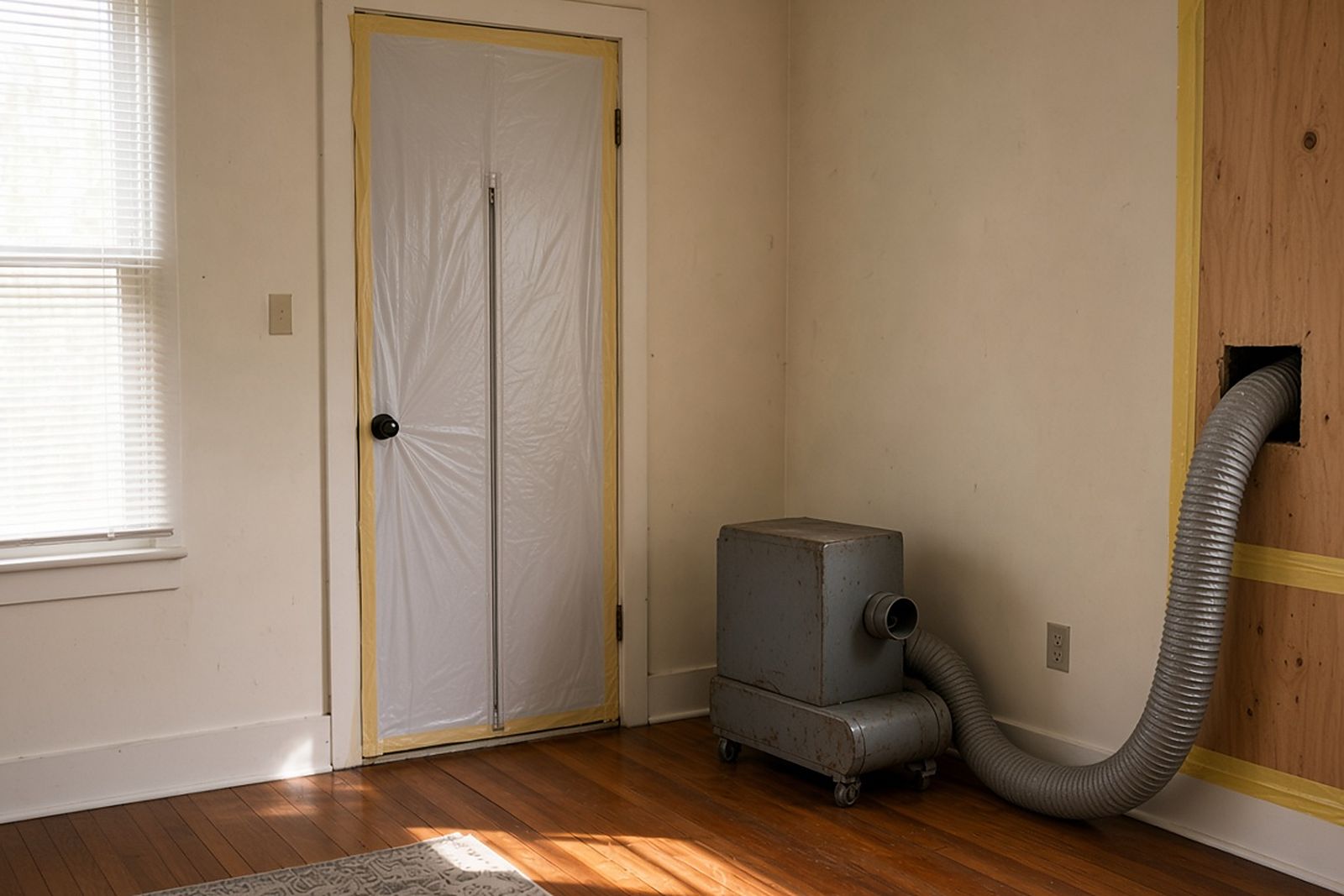
Does Homeowners Insurance Cover Homicide Cleanup?
When a homicide happens in a home, who files the claim, how intentional-acts exclusions work, and how victim compensation may help the family with cleanup.
Often in part, but not automatically. A homeowners policy may pay to repair and clean structural damage after a homicide when the loss fits a covered peril, yet intentional-acts exclusions, ownership questions and estate issues can complicate the claim. The named insured or estate representative usually files. State victim compensation programs may help families with cleanup costs insurance leaves unpaid.
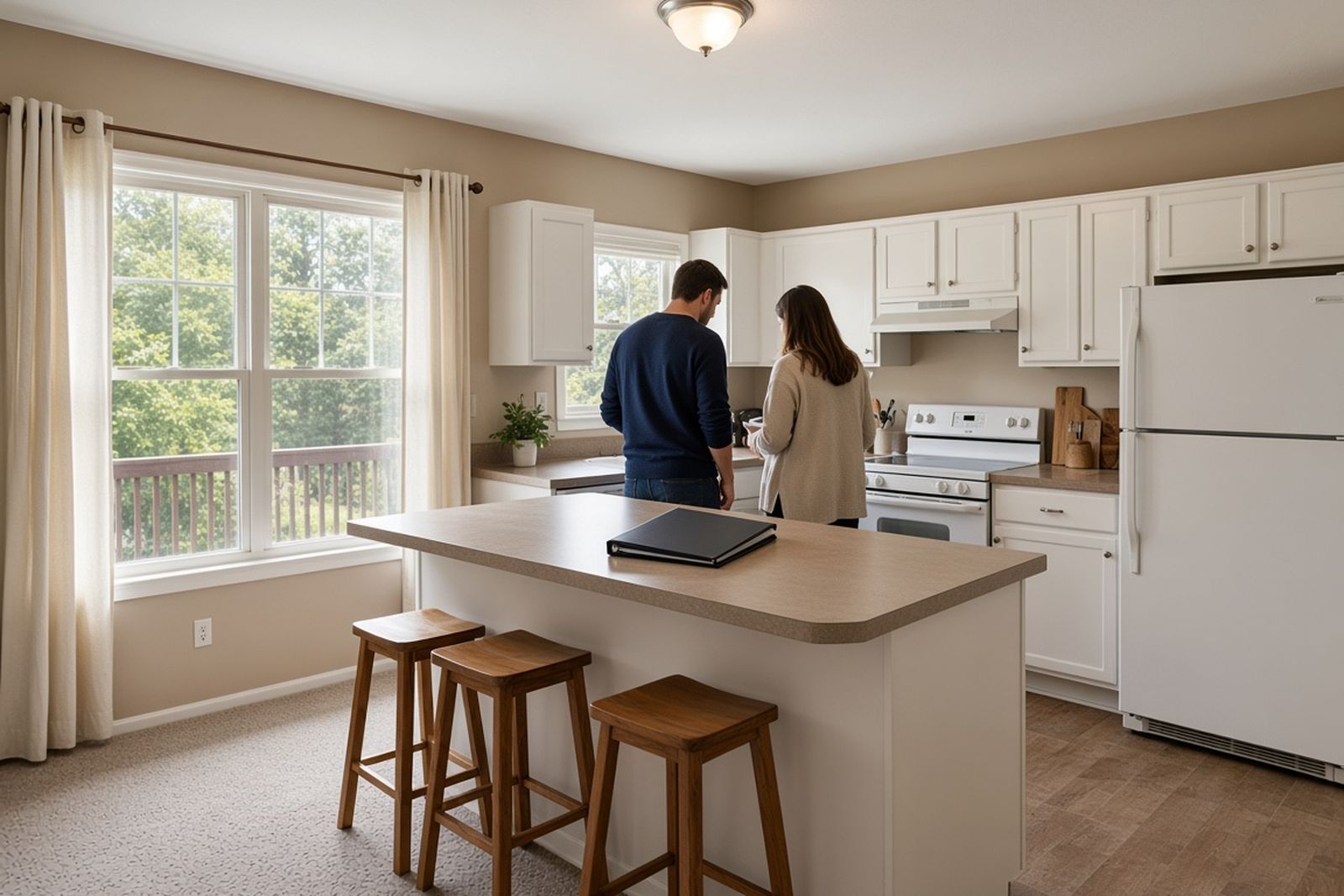
How to Compare Low and High Homicide Cleanup Bids
A calm guide for families comparing homicide cleanup bids: what a complete quote covers, why prices differ, and how to avoid gaps that cost more later.
When comparing homicide cleanup bids, look past the total and compare what each quote covers: a written assessment, containment, removal of saturated materials, disinfection, regulated waste disposal, odor control, verification and documentation. Ask each provider to explain its assumptions and how it will handle hidden contamination. A clear, itemized bid also helps with victim compensation or insurance claims.
Sourced figures on costs & insurance
- $16,550
OSHA's maximum penalties are $16,550 per serious violation and $165,514 per willful or repeated violation.
Read with care: Amounts adjust annually for inflation.
Source: OSHA (2024)United States federal OSHA, 2024 inflation-adjusted amounts
- 180 days
Facilities generating more than 100 kg but less than 1,000 kg of hazardous waste per month are Small Quantity Generators and may store it up to 180 days.
Read with care: Limit extends to 270 days when the disposal facility is over 200 miles away.
Source: EPA (2024)United States, RCRA generators
- 29
OSHA approves 29 State Plans, 22 covering private and public workers and 7 covering only state and local government employees.
Read with care: State plans must be at least as effective as federal OSHA but may differ in detail.
Source: OSHA (2024)United States states and territories
These figures are public research and agency data, not this network's own job records. Keep each number with its population, year and limits; none of them predicts cost, timing or outcome at a specific property.
What research has found
Findings from published studies of people and properties in situations like this one. They describe what researchers observed in a specific group; they are not predictions for your case.
Being related to both victim and perpetrator complicated some participants' bereavement.
Community gossip made some participants feel scrutinised rather than supported.
Costs & Insurance: common questions
Why do two homicide cleanup estimates for the same home differ so much?
One company may have planned to clean only the stains you can see. Another may have included removing subfloor, cleaning investigation residue, and working in several rooms along the path people walked. Differences in waste handling, sealing off the work area, and paperwork also affect price. Line up both estimates item by item. Ask each company to explain what the other included. Choose based on a complete plan, not the lower number.
Should the family pay the provider directly and wait for reimbursement?
Some providers bill insurers directly. They do this through a signed form that lets the insurer pay them. Others expect payment from the property owner or the estate. Compensation programs may pay you back or pay the company, depending on their rules. Before you sign, ask how billing works. Ask what happens if a claim is partly denied. Also ask whether the contract makes anyone personally responsible for charges that should belong to the estate.
What records should I start keeping right away?
Keep the case number and the investigator's release. Keep the victim advocate's contact details and all estimates and contracts. Save photos from the company and the waste disposal paperwork. Keep receipts for related costs, such as a place to stay or new locks. Store copies in one folder that another relative or the estate lawyer can reach. Complete records make both insurance claims and compensation requests much easier to support.
Which cost article should I read before calling providers?
Start with the article on cost factors so you understand what drives the price. Then read the guide to comparing bids. Together they help you ask providers the right questions and spot estimates that leave things out. Once you have bids, the homeowners insurance article can help you get ready for the claim. Victim compensation comes up throughout, and an advocate can explain your state's program.
Do these articles give prices I can rely on?
They explain what shapes the cost instead of promising a certain figure, because homicide scenes vary so widely. Any numbers mentioned come from named sources and are for general background only. Your real cost depends on the rooms, the materials, how long the investigation held the home, the residue, and the waste. Only a written, itemized plan based on an in-person look can tell you what your job will cost.
How can I keep costs from growing during the job?
Ask for a written plan that lists what is included and what is not. Before work begins, agree on how changes will be approved. Ask for photos of any newly found contamination before extra work goes ahead. Keeping cleanup costs separate from rebuilding costs also helps. Surprises can still happen. But a clear process for changes keeps you informed and in charge of the choices.
Who can help me if the costs feel overwhelming?
A victim advocate can explain compensation programs and may help with the forms. Your insurer's adjuster can explain what the policy may cover. Some providers will wait for insurance or program payments under certain arrangements, so ask. An estate lawyer can help if the property is part of an estate. You do not have to sort through every money question alone.
Related community polls
Every count is a real visitor vote; nothing is seeded or padded. One vote per poll per device, and you can change your answer.
What was hardest to arrange after the scene was released?
When did you first learn that a victim compensation program might help?
More on homicide cleanup
Homicide Cleanup services
Learn what homicide cleanup involves for families, estates, and landlords. Topics range from sealing off several rooms to lists of belongings and final records.
Costs explained
What drives the price, published cost ranges, and how to read a written quote line by line.
Insurance and payment
Which policies may respond, how to document a claim, and what to do if coverage is denied.
Planning tools
Planners, checklists, and organizers for the weeks after a homicide. They cover police holds, estate authority, landlord duties, and victim compensation.
Community polls
Shared experience from families, advocates, and landlords on what was hardest after a homicide and what help mattered.
Knowledge quiz
A calm review of police holds, authority, sealing off work areas, disinfecting, waste, and records. The study guide is written for grieving families and the people helping them.