Free homicide cleanup tool
Homicide Cleanup Waste & Disposal Classifier
Five questions about the material point to the likely waste category and which authority to confirm the rules with.
Few parts of a homicide cleanup are harder for families than learning that some of the victim's belongings must be thrown away. And few parts confuse landlords more than working out what can go where. This guide helps with both. You describe one item at a time through five questions. Is it soaked with blood and other body fluids that can carry disease? Could it poke through a bag? Is a chemical residue involved? How much of it is there? Has it already been treated? The tool then shows the likely category. The choices are regulated medical waste, hazardous waste, sharp objects, or ordinary trash. It also tells you which kind of office can confirm the category where the property is located.
A violent-death scene often creates more waste than anyone expects. Flooring, padding, mattresses, upholstered furniture, and parts of walls may all need to go. Not all of it is regulated. Knowing the difference helps families keep what can be kept. It also helps landlords avoid paying regulated disposal prices for materials that do not need it. This guide is for learning only. The licensed hauler and treatment site make the real decision, under rules that vary by state and county. Use the results to ask the provider for a waste plan. It should list what is leaving, which waste type it is, and what paperwork goes with it. Make sure the family has reviewed the list first.
How to use it
- 1Use the provider's assessment or the detective's description to list the materials involved, since you may not have seen the space.
- 2Answer the five questions for each item on its own. Start with the belongings the family cares about most.
- 3Read the likely category. Note which office the tool suggests for confirming it where you live.
- 4Bring the item list to the provider. Ask that the waste plan and the list of belongings match what you discussed.
Prefer to ask a person?
Your request is sent to the follow-up inbox. A coordinator can reply by email. Not for emergencies; call 911 first if anyone is in danger.
Work out the likely waste path
Homicide Cleanup waste and disposal classifier
Points you to the likely waste category and who confirms the rule. State and local definitions control; verify before anything leaves the property.
Likely regulated medical waste (biohazard)
- Materials saturated with blood or other potentially infectious material, or that would release liquid if compressed, are treated as regulated medical waste in most states.
- Packaging usually means red bags inside rigid containers, labeled with the biohazard symbol, and a licensed transporter with a manifest.
Who confirms the rule
- State health or environmental agency (regulated medical waste program)
- The remediation provider, who should name the transporter and treatment facility in writing
This is an educational sorting aid, not a regulatory determination. Waste rules vary by state and county.
A worked example
Here is a made-up example. A daughter and her father's landlord are trying to agree on what will happen to his apartment's contents after he died there. The provider has said the bedroom carpet, the mattress, a hallway rug, and part of the bedroom drywall are soaked. Fingerprint powder covers the living room. The daughter cares most about a wooden desk, photos in the closet, and his clothes. For the mattress and the carpet, the answers point clearly to regulated medical waste. The tool notes to confirm this through the hauler's waste shipping record and the state health or environmental office. The drywall gets the same result. But the tool notes that clean sections removed only to reach the problem may be ordinary building debris. It asks the provider to keep them apart. The desk has no contamination but sat in the affected room. The tool suggests it can likely be saved after cleaning. The photos in the closed closet come back as likely not affected. The clothes are split. Items in the dresser are probably fine. Anything on the floor near the bed needs the provider to look at it. The daughter and the landlord now have a shared list for the provider. The family knows what they will likely be able to keep.
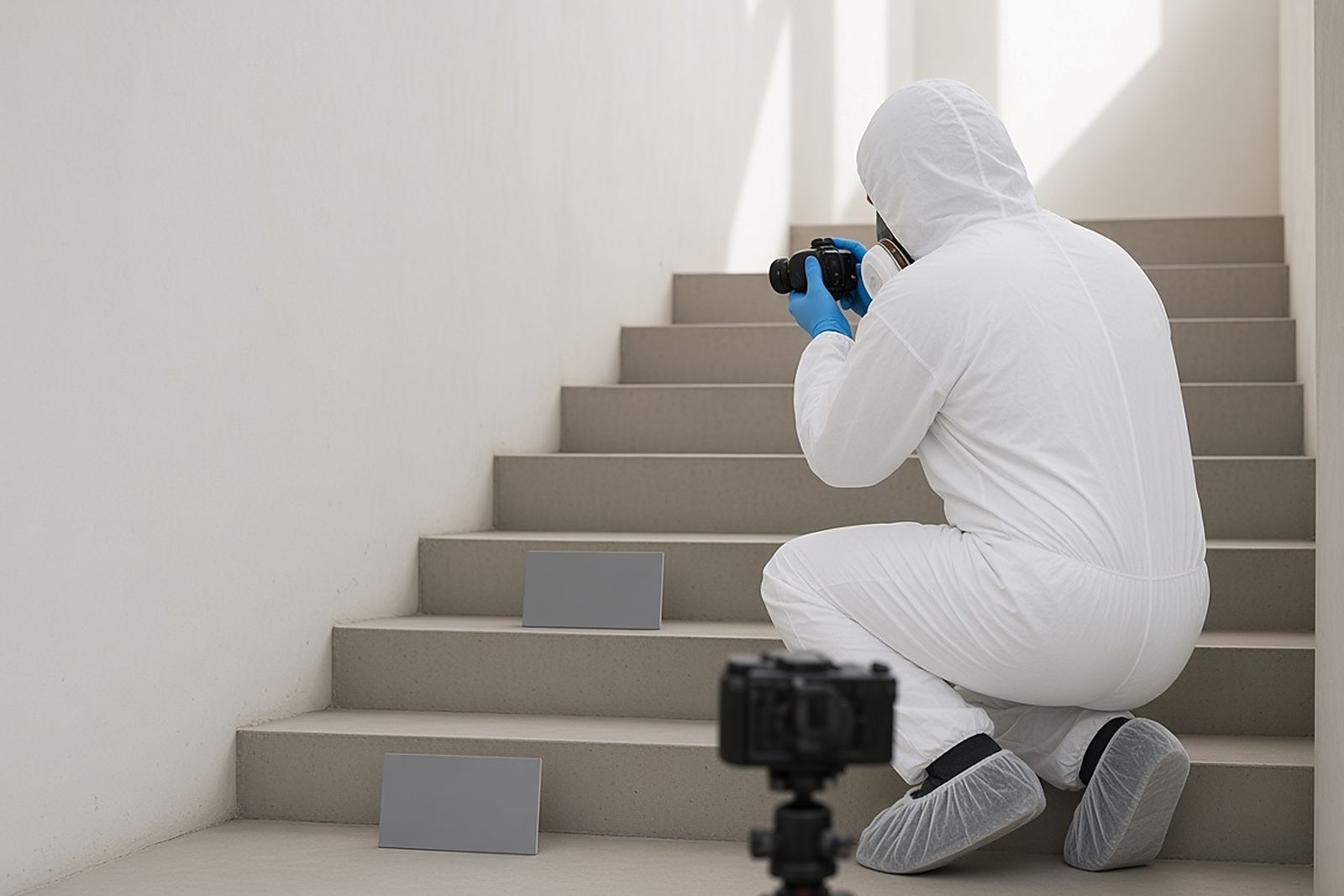
Numbers behind waste classifier decisions
- 61.4%
In 2024, 61.4% of U.S. murder offenses were cleared by arrest or exceptional means, the highest violent-crime clearance rate.
Read with care: FBI estimates are based on data from 16,675 agencies covering 95.6% of the U.S. population; expanded homicide details cover only victims with supplemental data reported.
Source: FBI (2024)United States, 2024, offenses known to law enforcement
- 10 working days
Under 29 CFR 1910.1030, employers must offer the hepatitis B vaccine within 10 working days of assigning a worker to tasks with occupational blood exposure.
Read with care: Applies to employees, not sole proprietors; state-plan states may have equivalent rules.
Source: OSHA (2001)United States, employers covered by the OSHA Bloodborne Pathogens Standard
- 40 hours + 8 hours/year
OSHA's HAZWOPER rule requires general site workers to complete 40 hours of off-site instruction plus three days of supervised field experience, with 8 hours of annual refresher training.
Read with care: Not every biohazard cleanup legally falls under HAZWOPER; meth lab chemical work often does.
Source: OSHA (1990)US hazardous waste site workers
- 2.43 million
Janitors and building cleaners held about 2,432,600 jobs in the United States in 2025, with a median pay of $36,840 per year.
Read with care: Occupation-level count covers general cleaning, not specialized biohazard or remediation technicians.
Source: BLS (2025)United States, all employment settings, 2025 estimate
These figures are public research and agency data, not this network's own job records. Keep each number with its population, year and limits; none of them predicts cost, timing or outcome at a specific property.
Waste & Disposal Classifier questions for homicide cleanup
Does everything in the room have to be thrown away?
No. Items that are not soiled can often be saved. So can hard-surfaced items that can be cleaned and disinfected. The guide helps you sort belongings into likely groups. That way, your talk with the provider starts with what can be kept, not what must go. Ask for a list of anything thrown away and the reason why.
Who signs off on discarding the victim's belongings?
Usually the person with authority over the contents. That may be a surviving spouse or the estate's personal representative. In a rental, it may be the tenant's family, under the lease and local rules for a tenant's property. Ask the provider to hold anything in question until that person has reviewed it. Rules vary by state and county, so check with the local authority.
Is drywall or flooring removed from the scene regulated waste?
Soaked sections usually are. Some sections are removed only to reach the contamination and have no blood or other body fluids that can carry disease on them. Those may count as ordinary building debris. The guide asks the provider to keep the two apart, so only material that needs regulated treatment goes that way. The hauler and the state or local authority make the final call.
How is waste removed discreetly from a multi-unit building?
Ask the provider how bags and containers will move through the building. Ask whether hallways and elevators will be protected, and whether removal can happen during quieter hours. Sealed outer packaging with no labels is common for privacy. The inner packaging stays labeled, as the rules require. The guide raises these details because a homicide scene often creates a lot of waste.
Can a family keep something that was contaminated if they clean it themselves?
Make that choice with the provider. The provider can explain whether the item can really be disinfected and what the risk is. Soft keepsakes, such as fabric or paper, often cannot be made safe. Metal, glass, and sealed plastic sometimes can. Never wash blood-soaked fabric in a home washing machine. If the item cannot be saved, ask for a photo before it leaves.
What should I ask if the provider's waste plan seems different from the guide?
Ask the provider to explain the difference and how its plan fits the rules in your area. Waste rules vary by state and county. So a local provider may follow steps the guide only describes in general. The answer should cover packing, who hauls the waste, where it goes, and what record you will get. A clear, specific answer is reassuring, even if the details differ.
Can the guide help me decide which belongings to keep?
It can help you understand why some items cannot be saved, such as soft furniture that soaked up fluids. It can also explain why others may be cleaned and returned. The final choice on items with sentimental value is yours, guided by the provider's assessment. Use the guide to ask better questions about specific keepsakes. Do not treat it as a rule that replaces a talk with the provider.
Related community polls
Every count is a real visitor vote; nothing is seeded or padded. One vote per poll per device, and you can change your answer.
What was hardest to arrange after the scene was released?
When did you first learn that a victim compensation program might help?
Other homicide cleanup tools
Cost Range Estimator
Set the affected area, surface types, severity and extras to see an educational cost range and the factors that move it.
OpenProvider Vetting Checklist
Fifteen questions to ask any remediation provider, a readiness score, and a copyable list of what is still unanswered.
OpenInsurance Claim Organizer
A guided checklist from finding the policy to tracking the carrier decision, with a printable summary of where the claim stands.
OpenFirst 24 Hours Planner
Tell the planner a few facts about the situation and get an ordered list of who to call, what not to touch, and what to photograph.
OpenDIY or Call a Pro? Risk Check
Eight yes-or-no questions that produce a risk level and explain when professional help is the safer choice.
OpenMore on homicide cleanup
Homicide Cleanup services
Learn what homicide cleanup involves for families, estates, and landlords. Topics range from sealing off several rooms to lists of belongings and final records.
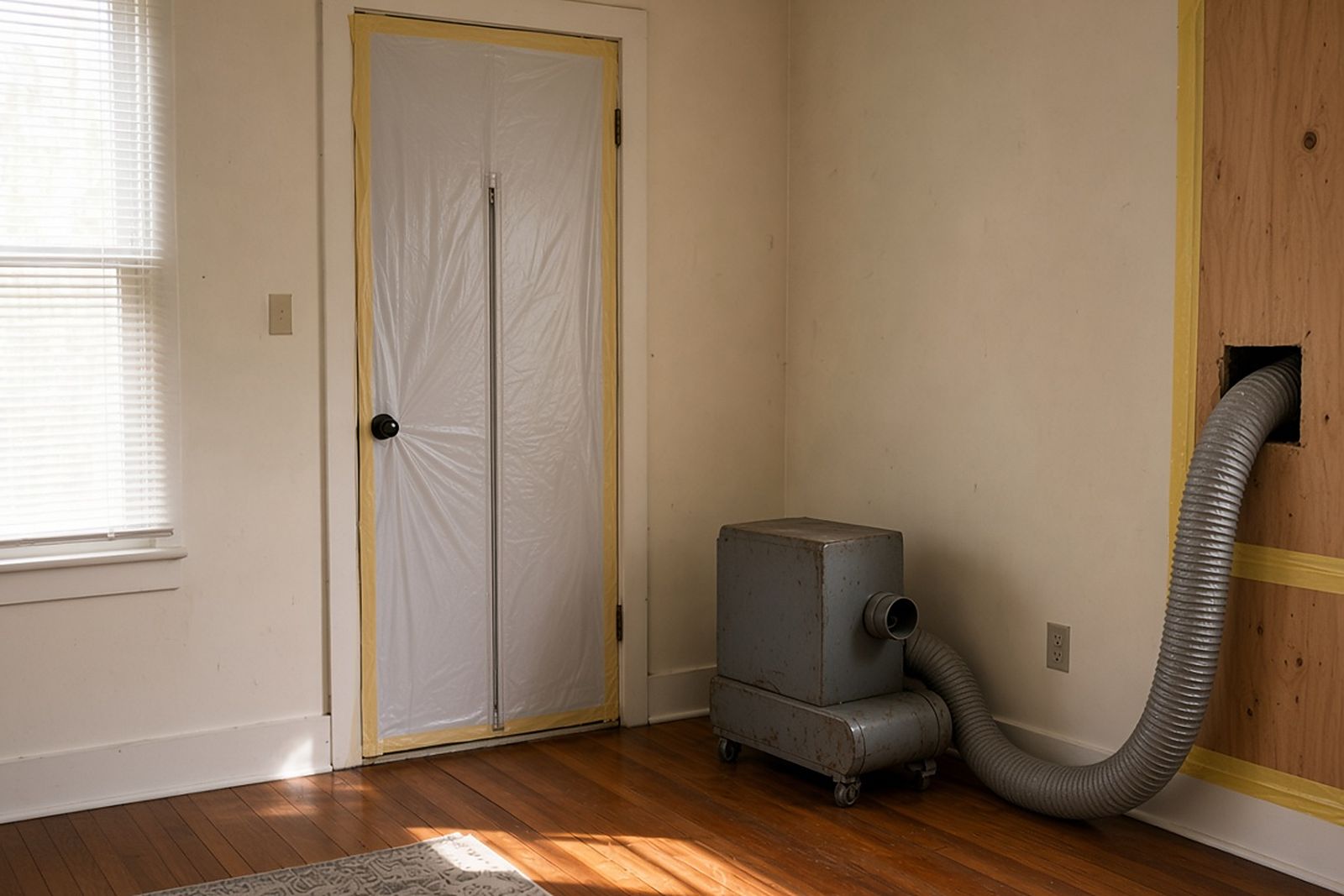
Costs explained
What drives the price, published cost ranges, and how to read a written quote line by line.
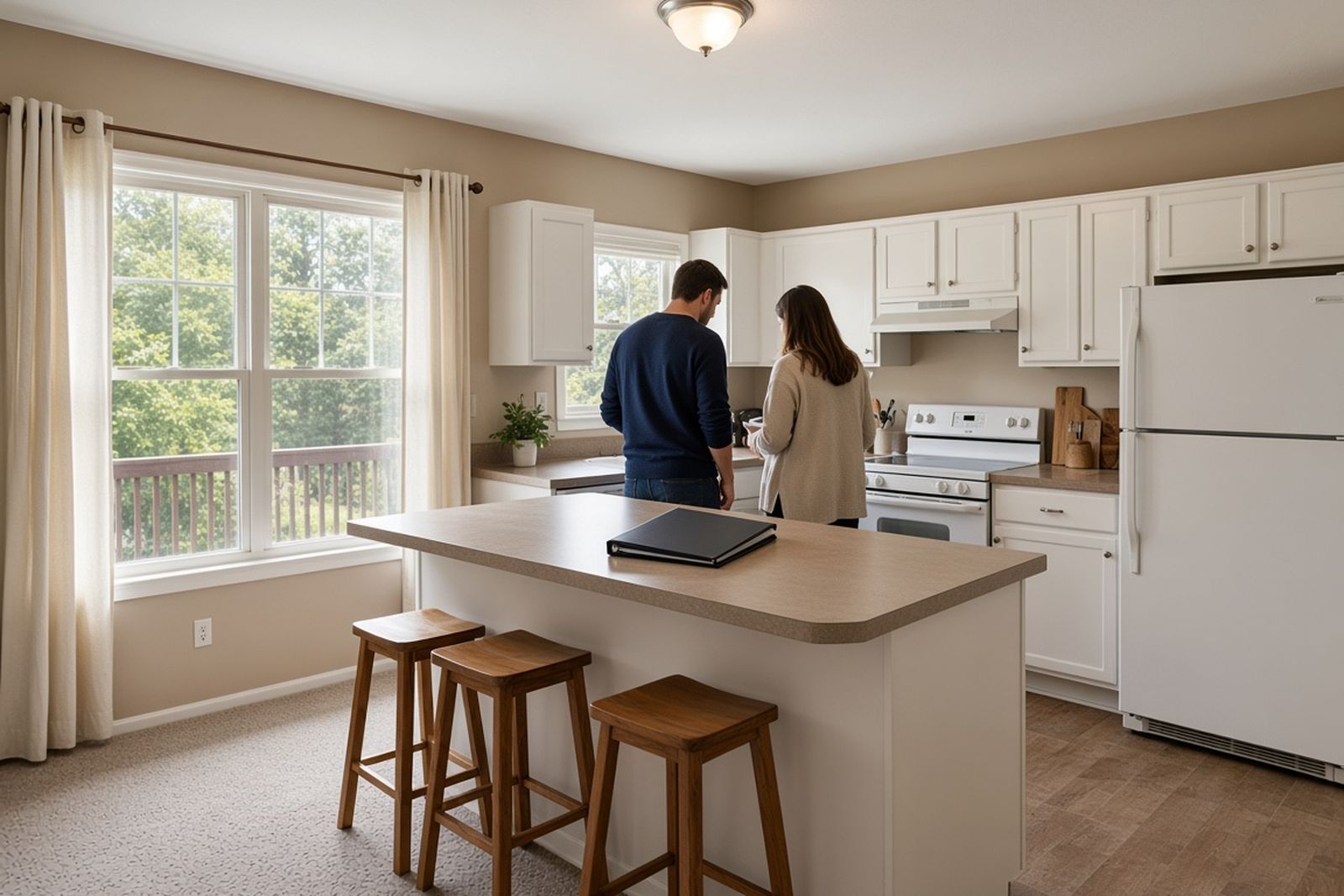
Insurance and payment
Which policies may respond, how to document a claim, and what to do if coverage is denied.
Community polls
Shared experience from families, advocates, and landlords on what was hardest after a homicide and what help mattered.
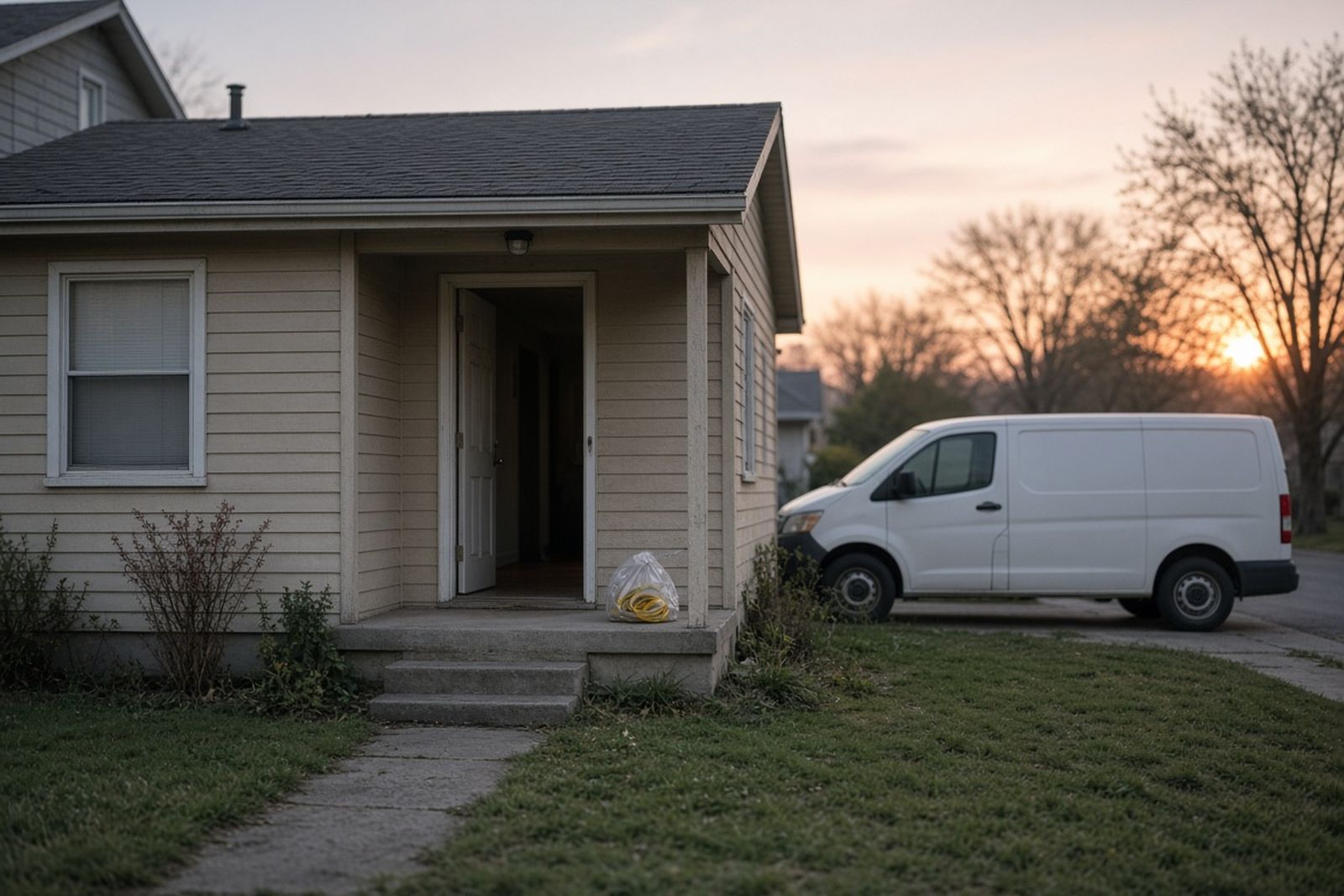
Knowledge quiz
A calm review of police holds, authority, sealing off work areas, disinfecting, waste, and records. The study guide is written for grieving families and the people helping them.
Articles and resources
Articles on the family and landlord side of a homicide. Topics include release timing, belongings, privacy, compensation programs, disclosure, and renting a unit again.