Free homicide cleanup tool
Homicide Cleanup Cost Range Estimator
Set the affected area, surface types, severity and extras to see an educational cost range and the factors that move it.
Cleanup after a homicide tends to cost more than after other trauma events. The reasons come from the job itself, not from random pricing. More rooms are affected, and more materials are soaked. Investigators leave more residue behind. The work may also stop if evidence is found. This estimator lets you describe the affected area, the mix of surfaces, how severe it looks, and any extras. Extras include several rooms, removing parts of the structure, odor treatment, and after-hours work. It then gives you a cost range for learning purposes, with a plain list of what drove it. The range is not a quote, and no provider is bound by it. Its purpose is to help a family, estate representative, or landlord read a written plan and notice when something is missing.
After a homicide, money gets complicated because of who pays. An estate may need an itemized bill for the probate accounting. A victim compensation program may limit what it pays back. It may also want the bill laid out in a certain way. A landlord's insurer and a tenant's renters policy may each cover different items. So the estimator ends with a list of what to ask for in a written quote. That includes keeping cleanup apart from rebuilding, listing the work room by room, and waste paperwork. Then the same document can serve every party without being rewritten. Providers set their prices, not this network. Rules for paying back costs vary by state and county, so check with the program and the insurer.
How to use it
- 1Estimate the affected area as best you can from what investigators or the provider told you. You may not have seen it yourself.
- 2Choose the surface mix and how severe it is. When unsure, pick the more serious option, because homicide scenes usually reach farther than they appear.
- 3Mark extras such as several rooms, removing parts of the structure, or odor treatment if the property was held for days before release.
- 4Read what drove the range. Then use the quote checklist to ask providers for an itemized plan that an estate, insurer, or compensation program can accept.
Prefer to ask a person?
Your request is sent to the follow-up inbox. A coordinator can reply by email. Not for emergencies; call 911 first if anyone is in danger.
Estimate a cost range
Homicide Cleanup cost range estimator
Educational only. Real pricing needs an on-site assessment and a written scope. Insurance coverage is decided by your carrier, not by this tool.
Educational range: $3,000 – $5,000
Scaled from a published reference range (typical biohazard cleanup project, national) reported by Fixr (2025). Your region, provider and the actual findings on site can move the real number outside this range.
Cost level: Mid range.
None of the big cost multipliers are selected. Minimum service charges, travel and waste fees still apply.
Ask every quote to itemize labor, containment, product, waste disposal, verification sampling, and any rebuild, and to state what is excluded.
A worked example
Here is a made-up example. An adult daughter has been appointed to handle her father's estate after he was killed in his home. Detectives held the house for several days and have now released it. She has not been inside. But the lead detective told her the bedroom and the hallway carpet are affected. He also said fingerprint work was done all over the first floor. She opens the estimator. She picks a medium-to-large area and soft surfaces, because of the carpet and a mattress. She picks high severity and several rooms. She adds structural removal, since the detective mentioned the subfloor, and odor treatment, because of the delay before release. The range comes back at the high end, and the list explains why. There is soaked carpet and padding in two spaces, and the subfloor will likely need to be cut. A mattress and bedding will be thrown away. Many first-floor surfaces need residue cleaning, and odor work is needed after several days. The quote checklist reminds her of three requests. Cleanup and rebuilding should be kept separate. The bill should be itemized by room. Thrown-away belongings should be listed. The probate court and the state victim compensation program will each want to see this detail. She now has the words she needs for the provider call.
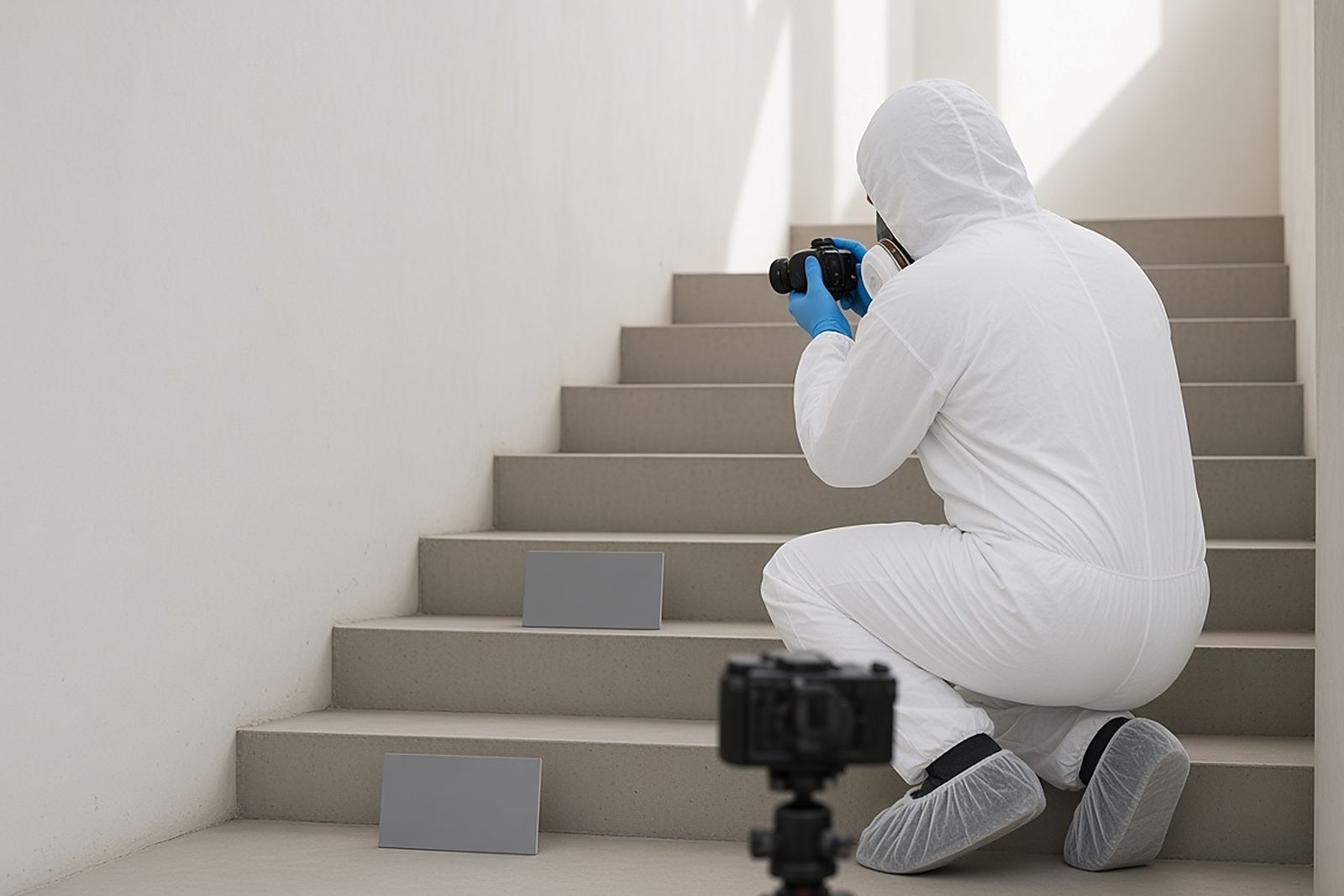
Numbers behind cost estimator decisions
- $16,550
OSHA's maximum penalties are $16,550 per serious violation and $165,514 per willful or repeated violation.
Read with care: Amounts adjust annually for inflation.
Source: OSHA (2024)United States federal OSHA, 2024 inflation-adjusted amounts
- every 3 years
Hazmat employees must receive recurrent DOT training at least once every three years.
Read with care: Records must be kept for the prior three years plus 90 days after employment ends.
Source: DOT PHMSA (49 CFR via Cornell LII) (2024)United States, all hazmat employees
- 10 working days
Employers must offer the hepatitis B vaccine within 10 working days of assigning an employee to a job with occupational blood exposure.
Read with care: Employees may decline; the vaccine must be at no cost.
Source: OSHA (2024)United States employers with occupationally exposed employees
- 180 days
Facilities generating more than 100 kg but less than 1,000 kg of hazardous waste per month are Small Quantity Generators and may store it up to 180 days.
Read with care: Limit extends to 270 days when the disposal facility is over 200 miles away.
Source: EPA (2024)United States, RCRA generators
These figures are public research and agency data, not this network's own job records. Keep each number with its population, year and limits; none of them predicts cost, timing or outcome at a specific property.
Cost Range Estimator questions for homicide cleanup
Why does the estimator suggest choosing the more serious option when unsure?
Because homicide scenes almost always reach beyond what a description shows. Blood travels along the paths people moved and soaks into layers of flooring. Splatter can reach walls and ceilings. Guessing too low gives you a range that makes a fair quote look too high. Guessing a little high and then being pleasantly surprised is the safer way to use a learning tool.
How does a multi-day investigative hold affect cost?
Over time, fluids soak deeper into soft materials and odor builds. That usually means removing more of the structure and adding odor treatment. Investigators also tend to work on more surfaces during a longer hold. The estimator reflects this through the severity, structural removal, and odor choices. So mark them if the property was held for more than a day or so.
Can the estimator help with a victim compensation application?
Only indirectly. It cannot tell you what a program covers. But its quote checklist asks for the kind of itemized, room-by-room paperwork that programs often require. Before the provider writes the bill, ask the program in the state where the crime happened what format it needs. Rules vary by state and county, so check who qualifies with the program directly.
Should an estate get more than one quote?
When time and access allow, yes. A personal representative has a duty to manage estate money carefully. Written plans that can be compared make that easier to show. If you must move quickly with only one provider, write down why. Keep the itemized plan and the final report. A lawyer can tell you what the probate court expects.
Why does the checklist ask to separate remediation from rebuild?
Because the two are paid for and judged differently. Cleanup is the hazard work: removal, cleaning, disinfecting, checking the work, and waste. Rebuilding is the flooring, drywall, and paint that come afterward. Insurers, compensation programs, and estates often treat them as separate items. One blended number makes it hard to show what was needed for safety.
Should I include investigation residue in the estimator if I only saw a little powder?
Yes. Fingerprint powder and chemical sprays often reach more surfaces than a family notices. These can include door frames, window sills, and the undersides of furniture. Including residue in the estimate prepares you for a realistic plan instead of a surprise later. If the provider's walkthrough finds less than expected, the written estimate can come down. Starting with a fuller picture is usually easier than explaining a big increase after work begins.
How should I use the estimate when talking with a victim advocate?
Share it as a rough planning tool, not a quote. It can help an advocate understand the size of the job. It can also show which parts of the process to prepare you for, such as paperwork for a compensation claim. The advocate may explain what records a program usually wants and when to gather them. Replace the estimate with the provider's written, itemized plan as soon as you have one.
Related community polls
Every count is a real visitor vote; nothing is seeded or padded. One vote per poll per device, and you can change your answer.
What was hardest to arrange after the scene was released?
When did you first learn that a victim compensation program might help?
Other homicide cleanup tools
Provider Vetting Checklist
Fifteen questions to ask any remediation provider, a readiness score, and a copyable list of what is still unanswered.
OpenInsurance Claim Organizer
A guided checklist from finding the policy to tracking the carrier decision, with a printable summary of where the claim stands.
OpenFirst 24 Hours Planner
Tell the planner a few facts about the situation and get an ordered list of who to call, what not to touch, and what to photograph.
OpenWaste & Disposal Classifier
Five questions about the material point to the likely waste category and which authority to confirm the rules with.
OpenDIY or Call a Pro? Risk Check
Eight yes-or-no questions that produce a risk level and explain when professional help is the safer choice.
OpenMore on homicide cleanup
Homicide Cleanup services
Learn what homicide cleanup involves for families, estates, and landlords. Topics range from sealing off several rooms to lists of belongings and final records.
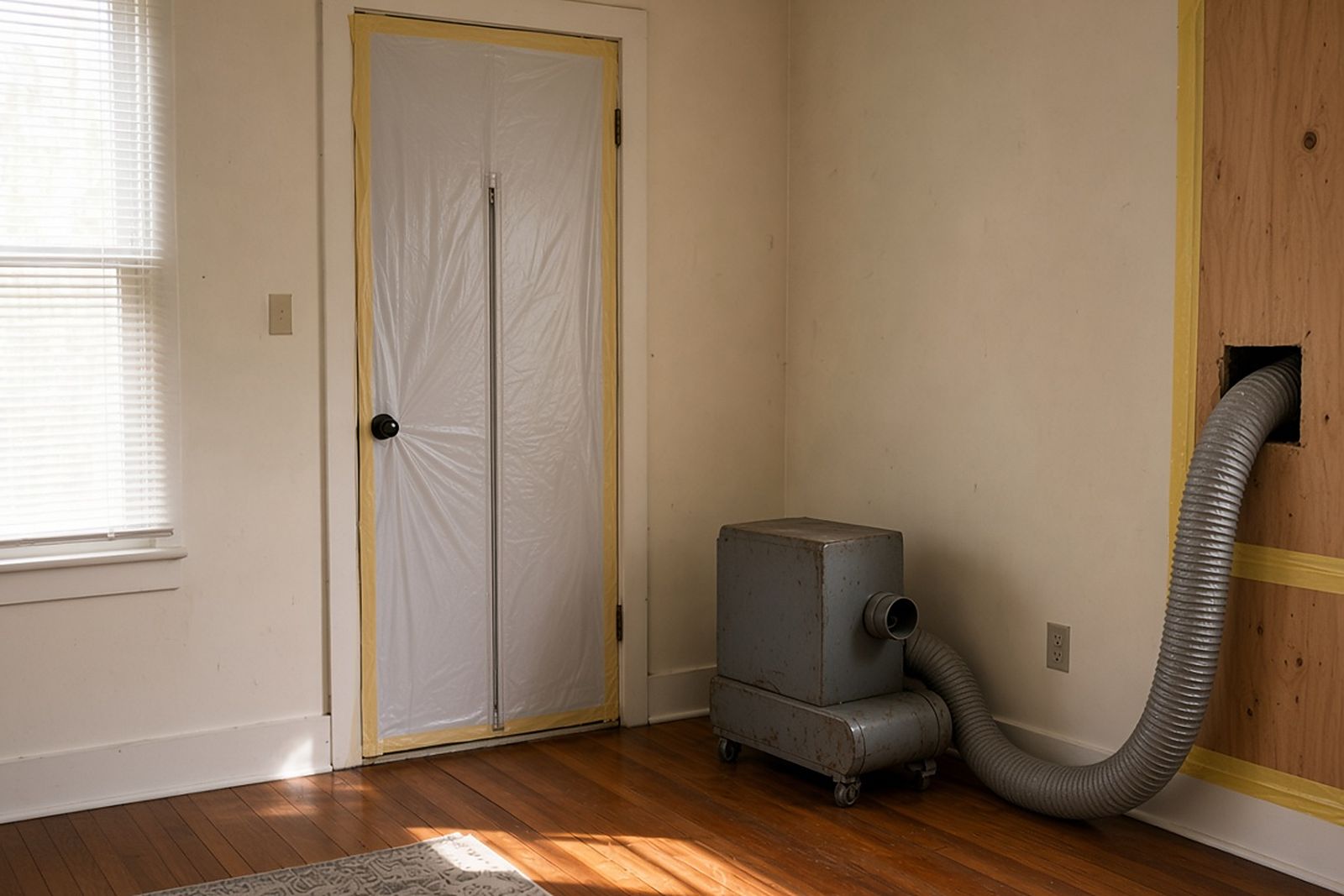
Costs explained
What drives the price, published cost ranges, and how to read a written quote line by line.
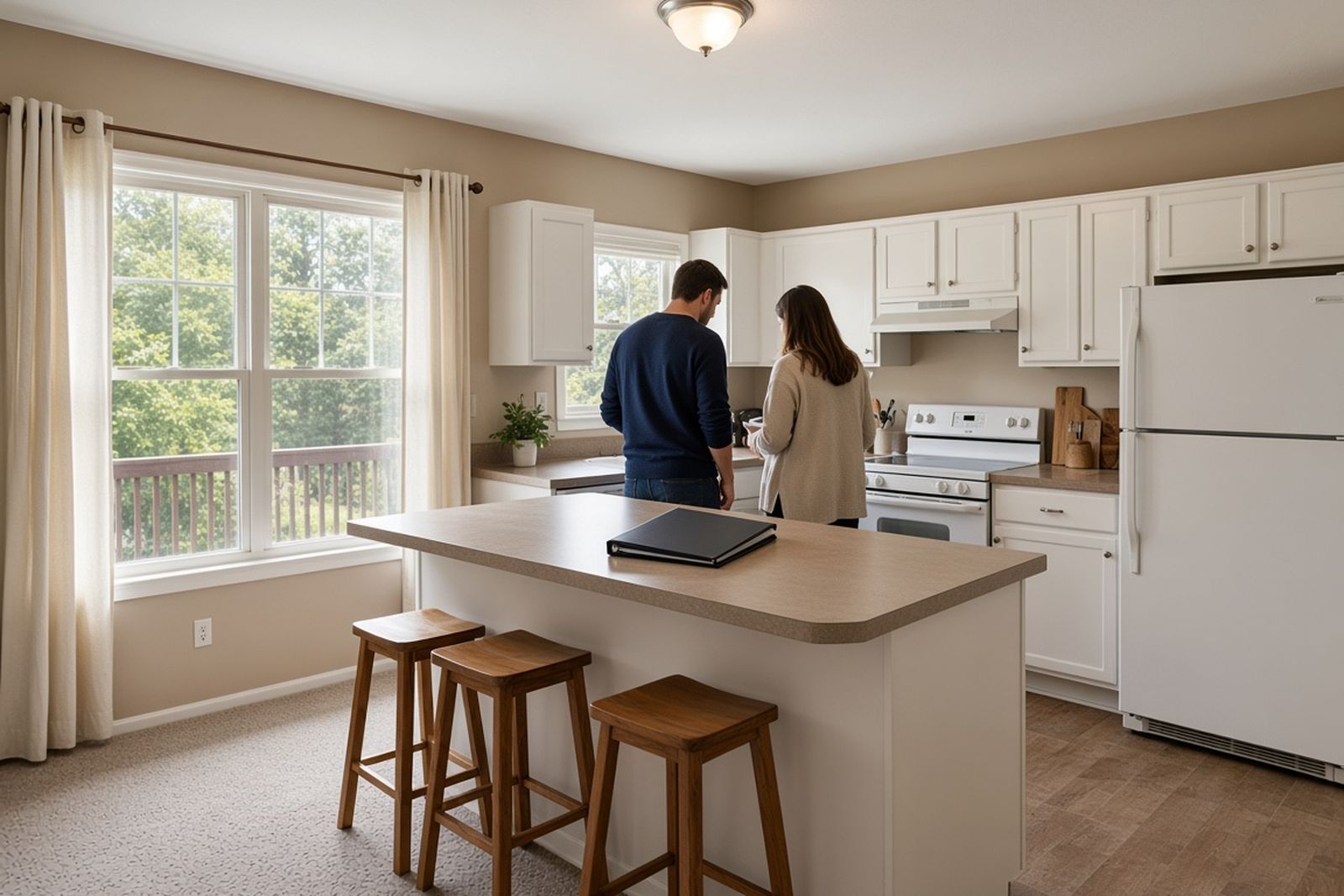
Insurance and payment
Which policies may respond, how to document a claim, and what to do if coverage is denied.
Community polls
Shared experience from families, advocates, and landlords on what was hardest after a homicide and what help mattered.
Knowledge quiz
A calm review of police holds, authority, sealing off work areas, disinfecting, waste, and records. The study guide is written for grieving families and the people helping them.
Articles and resources
Articles on the family and landlord side of a homicide. Topics include release timing, belongings, privacy, compensation programs, disclosure, and renting a unit again.