Homicide Cleanup planning tools
Work through cost, hiring, insurance, first steps and disposal at your own pace.
The tools here were written for the aftermath of a homicide. At that time, the people making choices are often grieving, and the property may have been sealed for days. Several parties may also have a stake in what happens next. The first 24 hours planner puts the calls and safety steps in order once release is confirmed. The DIY risk check gently explains why a violent-death scene is almost never a do-it-yourself job. The cost estimator explains what drives cleanup cost when contamination spreads across rooms. The vetting checklist asks about discretion and family communication, along with training and waste. The insurance organizer covers estates and victim compensation. The waste guide helps with the painful question of belongings.
Get an email reply about homicide cleanup
Send a short message to the follow-up inbox. A coordinator can reply by email. This form does not send emergency help; call 911 first if anyone is in danger.
Choose a tool
Every tool runs in your browser. Nothing you enter is stored on our servers, and no tool replaces an on-site assessment, a written scope or your insurer's decision.

Cost Range Estimator
Set the affected area, surface types, severity and extras to see an educational cost range and the factors that move it.
Open tool
Provider Vetting Checklist
Fifteen questions to ask any remediation provider, a readiness score, and a copyable list of what is still unanswered.
Open tool
Insurance Claim Organizer
A guided checklist from finding the policy to tracking the carrier decision, with a printable summary of where the claim stands.
Open tool
First 24 Hours Planner
Tell the planner a few facts about the situation and get an ordered list of who to call, what not to touch, and what to photograph.
Open tool
Waste & Disposal Classifier
Five questions about the material point to the likely waste category and which authority to confirm the rules with.
Open tool
DIY or Call a Pro? Risk Check
Eight yes-or-no questions that produce a risk level and explain when professional help is the safer choice.
Open toolKnowledge quiz
A knowledge check with explanations and a study guide covering hazards, containment, disinfection, waste and documentation.
Take the quizHow these tools fit homicide cleanup
Each tool asks a short set of questions and gives you an organized result you can print or copy. They are made to be used by whoever is helping, not only the person closest to the loss. A friend, an advocate from the prosecutor's office, an estate lawyer's assistant, or a property manager can run them and bring the results to the family. The tools also work in order. The planner points to the vetting checklist, and the checklist points to the cost estimator. The insurance organizer refers back to the papers the other tools tell you to gather. Run them again as things change, such as after release is confirmed or after an estate representative is appointed. That keeps the results up to date.
What the tools cannot do matters as much as what they can. They do not inspect the property. They do not know the terms of any policy or the rules of any victim compensation program. They cannot tell you when a detective will release the scene. Rules vary by state and county. So every result that touches waste, disclosure, or who qualifies ends with a reminder to check with the local authority or program. This network is for learning and helps readers reach providers. It does not vouch for any provider, and it makes no promises about timing, cost, or results. Use the tools to prepare. Then get the answers that matter in writing from the people who are responsible for them.

Homicide Cleanup numbers worth knowing before you plan
Families and property owners facing a homicide rarely have anything to compare it to. The first questions are usually about scale and money. Is this as rare as it feels? How long do investigations tend to hold a property? What does cleanup usually involve? What health risks remain once investigators leave? The section below gathers figures from public sources to answer those questions honestly. Seeing where your situation fits in the bigger picture can help steady a choice. That choice might be about hiring, filing a claim, applying for victim help, or simply how long to wait before going back. These figures are background, not promises, and every number lists its source.
- 10 working days
Under 29 CFR 1910.1030, employers must offer the hepatitis B vaccine within 10 working days of assigning a worker to tasks with occupational blood exposure.
Read with care: Applies to employees, not sole proprietors; state-plan states may have equivalent rules.
Source: OSHA (2001)United States, employers covered by the OSHA Bloodborne Pathogens Standard
- 61.4%
In 2024, 61.4% of U.S. murder offenses were cleared by arrest or exceptional means, the highest violent-crime clearance rate.
Read with care: FBI estimates are based on data from 16,675 agencies covering 95.6% of the U.S. population; expanded homicide details cover only victims with supplemental data reported.
Source: FBI (2024)United States, 2024, offenses known to law enforcement
- 10 square feet
EPA says moldy areas smaller than about 10 square feet can usually be handled by the homeowner, while larger areas warrant professional guidance.
Read with care: Applies to mold; contaminated sewage or biohazard materials are treated differently.
Source: US EPA (2026)Residential guidance, United States
- $16,550
OSHA's maximum penalties are $16,550 per serious violation and $165,514 per willful or repeated violation.
Read with care: Amounts adjust annually for inflation.
Source: OSHA (2024)United States federal OSHA, 2024 inflation-adjusted amounts
These figures are public research and agency data, not this network's own job records. Keep each number with its population, year and limits; none of them predicts cost, timing or outcome at a specific property.
What other visitors decided
Every count is a real visitor vote; nothing is seeded or padded. One vote per poll per device, and you can change your answer.
What was hardest to arrange after the scene was released?
When did you first learn that a victim compensation program might help?
Questions about the homicide cleanup tools
I am the victim's family member and the property is still sealed. Which tool helps now?
Use the first 24 hours planner and choose the answer that says the scene is not released. It gives a short list. The list focuses on getting a case contact, asking whether someone can walk you in for essentials, and finding out who will have authority once release comes. You can also start the insurance organizer now. Finding policies and learning about victim compensation does not require getting into the property.
Can a landlord use these tools for a tenant's death?
Yes. Choose the rental option wherever it appears. The planner will cover telling neighbors, protecting hallways, and the tenant's belongings. The vetting checklist will include questions about quiet arrival and sealing off work in a shared building. The insurance organizer will remind you to keep your landlord policy separate from any renters insurance the tenant had.
Do the tools ask for any details about the incident?
No. They ask about conditions that affect cleanup, such as whether contamination covers several rooms, whether there is an odor, or whether the property is a rental. They never ask about the people involved or what happened. Nothing you choose is saved, and the results contain nothing that identifies a person or address.
Which tool addresses victim compensation programs?
The insurance claim organizer includes a step to find out whether a state victim compensation program may apply. This sits alongside property, landlord, and renters policies. It explains what to ask the program and reminds you that the rules on who qualifies vary by state and county. The cost estimator also notes that program limits can affect how a price quote should be laid out.
Is the DIY risk check relevant for a homicide scene at all?
It is useful mostly to help you understand why professional help is the safer choice. Some family members feel they should be the ones to clean, out of love or duty. The tool respects that feeling. At the same time, it explains the physical, legal, and emotional reasons that hiring a provider is usually the better path.
Can an estate representative rely on the tools for accounting?
The tools help organize the papers an estate's accounting may need. These include written plans, itemized bills, waste shipping records, and lists of thrown-away belongings. They are not accounting software, and they do not calculate anything. Check with the probate court or a lawyer about which records the estate must keep, since the rules vary by state and county.
Why do the tools keep mentioning privacy?
Homicides draw attention. A family's ability to grieve without an audience depends on choices made early. These include unmarked vehicles, quiet waste removal, a single contact person, and factual notices to neighbors. The tools raise these points where they fit. That way, privacy is planned for instead of just hoped for.
More on homicide cleanup
Homicide Cleanup services
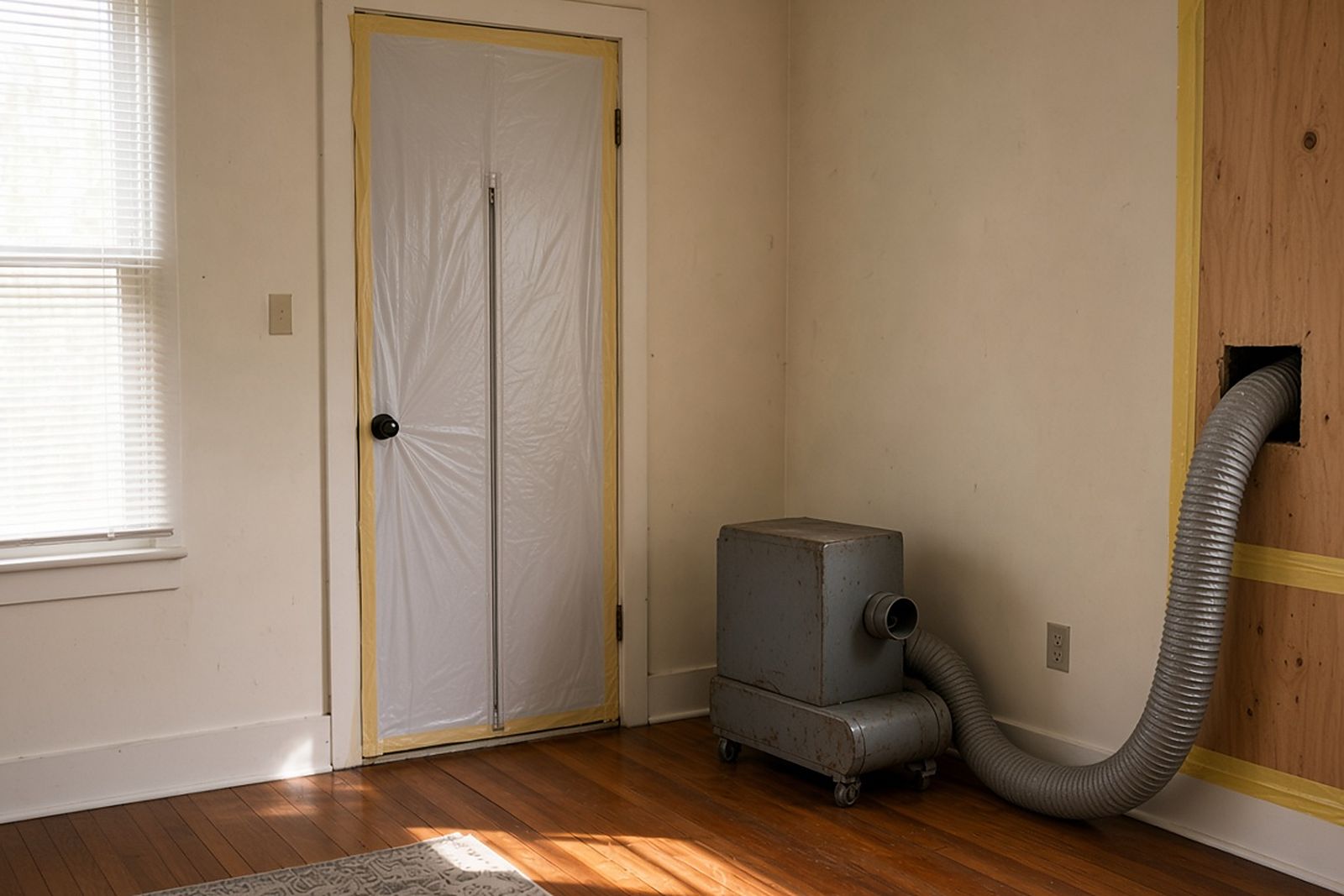
Learn what homicide cleanup involves for families, estates, and landlords. Topics range from sealing off several rooms to lists of belongings and final records.
Costs explained
What drives the price, published cost ranges, and how to read a written quote line by line.
Insurance and payment
Which policies may respond, how to document a claim, and what to do if coverage is denied.
Community polls
Shared experience from families, advocates, and landlords on what was hardest after a homicide and what help mattered.
Knowledge quiz
A calm review of police holds, authority, sealing off work areas, disinfecting, waste, and records. The study guide is written for grieving families and the people helping them.
Articles and resources
Articles on the family and landlord side of a homicide. Topics include release timing, belongings, privacy, compensation programs, disclosure, and renting a unit again.