Does Insurance Cover Homicide Cleanup? A Guide
Coverage, claims, victim aid, and repayment after a violent death at a property.
After a homicide, several parties may share the cost of cleanup. These may include the property owner, the victim's estate, a landlord, a business, and sometimes an association. Insurance may help, but results depend on the policy wording and the facts. This page explains which policies may apply and the exclusions that tend to come up. It shows how to document the claim and where compensation programs fit.
Get an email reply about homicide cleanup
Send a short message to the follow-up inbox. A coordinator can reply by email. This form does not send emergency help; call 911 first if anyone is in danger.
What published figures say about coverage and payment
- 20
20 valued time away from everyday routines to reflect.
Read with care: Selected intervention participants; no causal treatment-effect estimate.
Source: Alves-Costa et al. (2018)29 UK programme participants; short-term and 2–5-year follow-up groups.
- 23.3%
In a national survey of 206 immediate family members of homicide victims, 23.3% developed PTSD at some point in their lives.
Read with care: Older study (1991) using DSM-III-R criteria; more recent studies report higher rates.
Source: National Institute of Justice (Amick-McMullan, Kilpatrick & Resnick) (1991)United States, random-digit-dial national sample of 12,500 adults, 1991
- 40.3%
Among adults bereaved by a traumatic death (homicide, suicide, overdose or crash), 40.3% met presumptive criteria for PTSD and 23.7% for prolonged grief disorder.
Read with care: Presumptive (screening) diagnoses from self-report, not clinical interviews; online panel sample.
Source: JAMA Network Open (peer-reviewed study) (2024)United States, online survey of 1,015 traumatically bereaved adults, 2024
- 23.5%
23.5% reported high-level need for help with practical or administrative tasks.
Read with care: Pandemic-specific and self-selected; overlapping follow-up studies must not duplicate baseline findings.
Source: Harrop et al. (2021)711 UK adults bereaved March–December 2020; nonprobability recruitment.
- $16,550
OSHA's maximum penalties are $16,550 per serious violation and $165,514 per willful or repeated violation.
Read with care: Amounts adjust annually for inflation.
Source: OSHA (2024)United States federal OSHA, 2024 inflation-adjusted amounts
- 34,625
Federal OSHA conducted 34,625 inspections in fiscal 2024, split between 17,455 unprogrammed and 17,170 programmed inspections.
Read with care: Excludes inspections by the 22 state plans covering private employers.
Source: OSHA (2024)United States federal OSHA, FY2024
These figures are public research and agency data, not this network's own job records. Keep each number with its population, year and limits; none of them predicts cost, timing or outcome at a specific property.
Which insurance policies might respond after a homicide?
For a private home, the homeowners policy is often the place to start. Some insurers treat damage from a violent act by an outsider as sudden physical loss to the home. A renters policy may cover a tenant's belongings. A landlord or dwelling policy covers the rental building. In condos or planned communities, the association's master policy may cover shared areas the incident reached.
Businesses may turn to business property coverage. Depending on add-ons, business interruption coverage may pay for the time a location stays closed. If a homicide involved a vehicle, an auto policy with comprehensive coverage could matter. When an employee was harmed at work, workers' compensation covers that person's losses, not the building. Finding every policy that may apply early helps you avoid missing notice deadlines.
- Homeowners policy for the home and belongings
- Renters policy for a tenant's belongings
- Landlord or dwelling policy for rental buildings
- Association master policy for shared areas
- Business property and business interruption for businesses
- Auto comprehensive coverage for vehicles
- Workers' compensation for employees harmed on the job
How do intentional act exclusions affect homicide claims?
Property policies often exclude damage done on purpose by an insured person. Sometimes the person responsible for a homicide was not covered by the policy, like an intruder. Then this exclusion usually does not apply in the same way. But the person responsible may have been a household member or named insured. Then the insurer may use it to limit or deny the claim.
Some policies and some state rules protect innocent co-insureds. That means a household member who had no part in the act may still recover. How this works depends a lot on the exact wording and the state. If an insurer relies on an intentional act exclusion, ask for its reasons and the exact wording in writing. Talking to a licensed professional who handles insurance disputes is often worth it in this case.

Which other exclusions and limits should you watch for?
Beyond intentional acts, policies may have pollution or contamination wording. They may have vacancy rules if no one lived in the property. There are also deductibles and smaller caps, called sublimits, for some cleanup or belongings. Some policies limit coverage for loss of use or a temporary place to stay. Conditions like giving notice quickly and working with the insurer's investigation also apply. Each depends on the wording of your policy.
Claims for belongings often follow separate value rules. Contaminated furniture, bedding, electronics, and clothing may first be paid at their used value. Any remaining replacement cost may be paid after items are replaced, though this varies. Ask the insurer which approach applies and what proof it needs. Knowing these limits early helps you gather the right records from the start.
How should you document a homicide cleanup claim?
Strong records help every party that may be involved. Once the scene is released, ask the provider to photograph each affected room and the whole path people moved before starting. Keep the police report number, the release confirmation, and the case detective's contact details. Ask for an itemized estimate. It should separate rooms, labor, sealing off, removal, police residue cleanup, disposal, and records.
When the work is done, collect the closing package. It includes photos, lists of removed materials, products used, test readings, and the waste shipping records. Keep receipts for a place to stay, security repairs, and new locks. Insurers, landlords, associations, and compensation programs may each want copies. So keep records clearly organized. Keep a log of what you sent to whom and when. This avoids repeat work and confusion later. A shared folder helps.
How can you work effectively with the adjuster on a complex claim?
Homicide claims can involve bigger jobs and several parties, so adjusters may ask detailed questions. Invite the cleanup provider to explain technical choices. For example, they can explain why subfloor or wall sections were removed. They can explain why fingerprint powder cleanup went beyond the main room. Share records quickly. Answer questions correctly, and do not guess about the criminal case. Clear, steady answers build trust.
If the adjuster questions part of the estimate, ask for the reasons and the policy wording in writing. More photos or a detailed letter from the provider sometimes settles the disagreement. Ask whether the insurer can pay the provider directly and how the deductible will be applied. If more than one policy is involved, ask each insurer how they will work together. That way costs are not missed or counted twice.
What can you do after a denial or partial payment?
Ask for the decision in writing with the exact policy terms listed. Then compare it with the policy and your records. Many denials can be looked at again when you give new information. That might be clearer photos, the provider's explanation, or proof that the person responsible was not an insured. Use the insurer's internal appeal or second review process. Keep copies of everything you send.
If that does not settle it, you can usually file a complaint with your state insurance department. A licensed public adjuster or a lawyer who handles insurance may help. This is more likely with intentional act disputes or large losses. Appeals and lawsuits may have time limits. Rules vary by state and county. Check with the local authority or your state insurance regulator before any deadline passes.
How do victim compensation and restitution fit alongside insurance?
State crime victim compensation programs help victims and their families with crime-related costs. Many list crime scene cleanup as a cost they cover. These programs usually pay only what insurance and other sources do not. So they often cover deductibles or items the policy left out. Applications usually need a police report, cooperation with police, and proof of costs. They must be filed within a set time.
If the case leads to a conviction, a court may order the offender to pay back losses, including cleanup. This is called restitution. Collecting it can be slow and uncertain. Families sometimes also bring civil claims. A victim advocate at the prosecutor's office can explain these options and help with paperwork. Rules vary by state and county. Check with the local authority before you rely on any payment.
Which other sources of help are worth asking about?
If the victim owned the property, their estate may pay for cleanup as a cost of protecting estate assets. Employers sometimes pay for cleanup at work. They may also offer employee assistance programs with counseling and referrals. Landlords and associations may pay for shared structures through their own coverage. That can lower what a family pays directly. Ask each party what it expects to cover so nothing falls through the cracks.
Community groups, faith groups, and homicide survivor support networks sometimes know of emergency funds. They can also connect families with local resources. Victim service agencies may help with urgent needs like a temporary place to stay. None of these is certain, and each has its own rules. But asking early can widen your options and ease pressure during a very hard time. Keep notes on whom you contacted.
Keep the claim organized
Homicide Cleanup insurance claim organizer
A checklist to keep the claim orderly. It stores nothing on our servers; copy the summary to your own notes.
0 of 18 steps recorded (0%)
Print or paste the summary into your own records. Coverage is the carrier's decision under the policy; keep every answer in writing.
Open the full tool page for a worked example and more answers.
State crime victim compensation programs
Many state programs can reimburse crime-scene cleanup costs for eligible victims and families, subject to their own rules, deadlines and limits. Links go to each program's official site; confirm eligibility with the program directly.
| State | Program | Agency |
|---|---|---|
| Alabama | Alabama Crime Victims' Compensation Commission | Alabama CVCC |
| Alaska | Alaska Violent Crimes Compensation BoardVerify: linked via NACVCB directory | Alaska Dept. of Administration |
| Arizona | Arizona Crime Victim Compensation ProgramVerify: linked via NACVCB directory | Arizona Criminal Justice Commission |
| Arkansas | Arkansas Crime Victims Reparations Board | Arkansas Dept. of Public Safety |
| California | California Victim Compensation Board (CalVCB) | CalVCB |
| Colorado | Colorado Crime Victim Compensation Program | Colorado Division of Criminal Justice |
| Connecticut | Connecticut Victim Compensation ProgramLists crime-scene cleanup as a covered expense | Connecticut Judicial Branch, Office of Victim Services |
| Delaware | Delaware Victims' Compensation Assistance Program (VCAP)Lists crime-scene cleanup as a covered expense | Delaware Dept. of Justice |
| District of Columbia | D.C. Crime Victims Compensation ProgramLists crime-scene cleanup as a covered expense | D.C. Superior Court |
| Florida | Florida Bureau of Victim Compensation | Florida Attorney General |
| Georgia | Georgia Crime Victims Compensation Program | Georgia CJCC |
| Hawaii | Hawaii Crime Victim Compensation Commission | Hawaii CVCC |
| Idaho | Idaho Crime Victims Compensation Program | Idaho Industrial Commission |
| Illinois | Illinois Crime Victim Compensation ProgramLists crime-scene cleanup as a covered expense | Illinois Attorney General |
| Indiana | Indiana Violent Crime Victim Compensation FundLists crime-scene cleanup as a covered expense | Indiana Criminal Justice Institute |
| Iowa | Iowa Crime Victim Compensation Program | Iowa Attorney General |
| Kansas | Kansas Crime Victims Compensation BoardVerify: linked via NACVCB directory | Kansas Attorney General |
| Kentucky | Kentucky Crime Victims Compensation Fund Program | Kentucky Crime Victims Compensation Board |
| Louisiana | Louisiana Crime Victims Reparations ProgramLists crime-scene cleanup as a covered expense | Louisiana Commission on Law Enforcement |
| Maine | Maine Victims' Compensation ProgramLists crime-scene cleanup as a covered expense | Maine Attorney General |
| Maryland | Maryland Criminal Injuries Compensation Board | Maryland GOCPP |
| Massachusetts | Massachusetts Victim Compensation ProgramVerify: linked via NACVCB directory | Massachusetts Attorney General |
| Michigan | Michigan Crime Victim Compensation Program | Michigan DHHS, Crime Victim Services Commission |
| Minnesota | Minnesota Crime Victims Reimbursement ProgramLists crime-scene cleanup as a covered expense | Minnesota DPS, Office of Justice Programs |
| Mississippi | Mississippi Crime Victim Compensation ProgramLists crime-scene cleanup as a covered expense | Mississippi Attorney General, Bureau of Victim Assistance |
| Missouri | Missouri Crime Victims' Compensation Program | Missouri Dept. of Public Safety |
| Montana | Montana Crime Victim Compensation ProgramVerify: linked via NACVCB directory | Montana Dept. of Justice, Office for Victim Services |
| Nebraska | Nebraska Crime Victim Reparations ProgramLists crime-scene cleanup as a covered expense | Nebraska Crime Commission |
| Nevada | Nevada Victims of Crime Program | Nevada Dept. of Human Services |
| New Hampshire | New Hampshire Victims' Compensation ProgramVerify: linked via NACVCB directory | New Hampshire Dept. of Justice |
| New Jersey | New Jersey Victims of Crime Compensation Office | New Jersey Office of the Attorney General |
| New Mexico | New Mexico Crime Victims Reparation Commission | New Mexico CVRC |
| New York | New York State Office of Victim Services | NY Office of Victim Services |
| North Carolina | North Carolina Crime Victims Compensation ProgramLists crime-scene cleanup as a covered expense | NC Dept. of Public Safety |
| North Dakota | North Dakota Crime Victims Compensation Program | ND Dept. of Corrections and Rehabilitation |
| Ohio | Ohio Crime Victims Compensation ProgramLists crime-scene cleanup as a covered expense | Ohio Attorney General |
| Oklahoma | Oklahoma Crime Victims Compensation ProgramLists crime-scene cleanup as a covered expense | Oklahoma District Attorneys Council |
| Oregon | Oregon Crime Victims' Compensation ProgramLists crime-scene cleanup as a covered expense | Oregon Dept. of Justice |
| Pennsylvania | Pennsylvania Victims Compensation Assistance ProgramLists crime-scene cleanup as a covered expense | Pennsylvania Commission on Crime and Delinquency |
| Rhode Island | Rhode Island Crime Victim Compensation ProgramVerify: linked via NACVCB directory | Rhode Island Office of the General Treasurer |
| South Carolina | South Carolina Crime Victim Compensation Program | South Carolina Attorney General |
| South Dakota | South Dakota Crime Victims' Compensation Program | South Dakota Dept. of Public Safety |
| Tennessee | Tennessee Criminal Injuries Compensation Program | Tennessee Dept. of Treasury |
| Texas | Texas Crime Victims' Compensation Program | Texas Attorney General |
| Utah | Utah Crime Victim Reparations | Utah Office for Victims of Crime |
| Vermont | Vermont Victims Compensation Program | Vermont Center for Crime Victim Services |
| Virginia | Virginia Victims FundLists crime-scene cleanup as a covered expense | Virginia Victims Fund (Criminal Injuries Compensation Fund) |
| Washington | Washington Crime Victims Compensation Program | Washington Dept. of Labor & Industries |
| West Virginia | West Virginia Crime Victims Compensation Fund | West Virginia Legislature |
| Wisconsin | Wisconsin Crime Victim Compensation ProgramLists crime-scene cleanup as a covered expense | Wisconsin Dept. of Justice |
| Wyoming | Wyoming Crime Victims Compensation Program | Wyoming Division of Victim Services |
What research has found
Findings from published studies of people and properties in situations like this one. They describe what researchers observed in a specific group; they are not predictions for your case.
Being related to both victim and perpetrator complicated some participants' bereavement.
Community gossip made some participants feel scrutinised rather than supported.
Insurance questions about homicide cleanup
Will homeowners insurance pay for homicide cleanup?
It may, depending on your policy wording and the facts. Many insurers look at these losses as physical damage to the home. But exclusions and limits can apply, especially when the person responsible was an insured. The only sure way to know is to open a claim and give thorough records. Ask the insurer to explain its position in writing. No provider can promise approval.
What if the person responsible lived in the home?
The person responsible may have been a household member or named insured. Then the insurer may use an intentional act exclusion. Some policies and some states protect innocent co-insureds who had no part in the act. Explain the facts honestly. Ask for the insurer's reasons in writing. Think about talking with a licensed professional who handles insurance disputes. Victim compensation may also help family members who qualify.
Should the landlord or the tenant's family file the claim?
Often both have a part. The landlord usually files under its own policy for damage to the building. The tenant or the tenant's estate may file under a renters policy for belongings. Working together early helps avoid gaps or repeat requests. Ask the provider to prepare records that clearly separate building work from belongings. Then each claim can be supported.
Can victim compensation cover my insurance deductible?
In many states, victim compensation programs look at out-of-pocket costs that insurance did not pay. That can include deductibles or items the policy left out, subject to the program's limits and rules. You will usually need the insurer's explanation of benefits and the provider's bills. A victim advocate can help you apply. Rules vary by state and county. Check with the local authority or the program directly.
Do I need to wait for the criminal case to end before filing?
Usually not. Insurance claims and victim compensation applications can usually move ahead while a criminal case is going on. You should still cooperate with investigators and follow any guidance they give. Restitution, on the other hand, usually depends on how the case ends. Filing early helps you meet notice rules and application deadlines. Those can be missed if you wait.
How can a condominium association be involved?
Contamination may have reached hallways, stairwells, or other shared areas. Then the association may be responsible for cleaning those spaces. It may turn to its master policy. The unit owner's policy usually covers the inside of the unit and personal belongings. Ask the provider to record which areas are shared and which are private. Then each party can file correctly.
What should I do if an insurer pressures me to settle quickly?
Take your time to review any offer. Compare it with the provider's estimate and records. Ask for the insurer's math in writing, and ask why anything was cut. You generally have a right to understand how an amount was reached before you accept it. If you feel rushed or unsure, think about talking with a licensed public adjuster or a lawyer before you sign a release.
What other visitors said
Every count is a real visitor vote; nothing is seeded or padded. One vote per poll per device, and you can change your answer.
What was hardest to arrange after the scene was released?
When did you first learn that a victim compensation program might help?
More on homicide cleanup

Homicide Cleanup services
Learn what homicide cleanup involves for families, estates, and landlords. Topics range from sealing off several rooms to lists of belongings and final records.
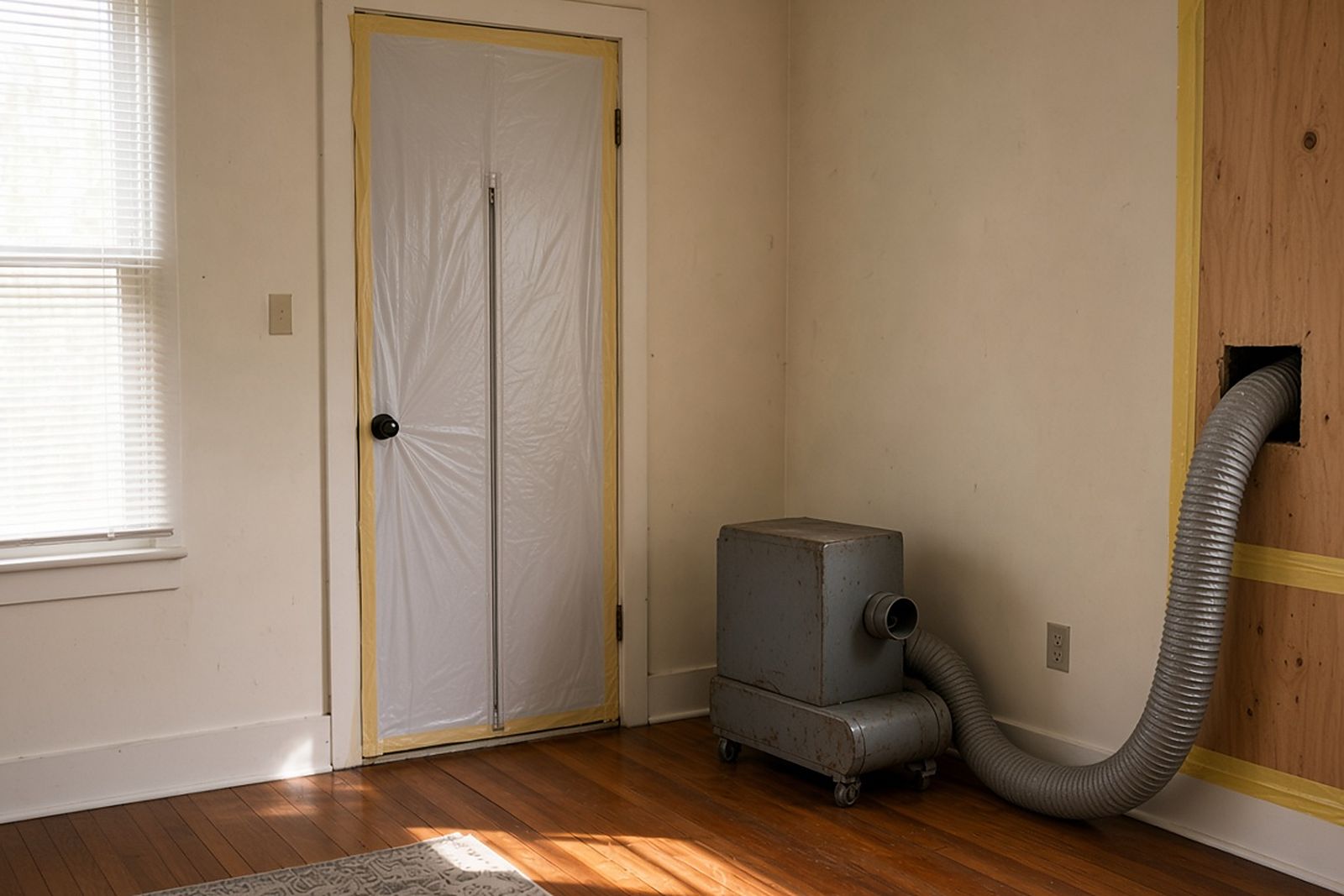
Costs explained
What drives the price, published cost ranges, and how to read a written quote line by line.
Planning tools
Planners, checklists, and organizers for the weeks after a homicide. They cover police holds, estate authority, landlord duties, and victim compensation.
Community polls
Shared experience from families, advocates, and landlords on what was hardest after a homicide and what help mattered.
Knowledge quiz
A calm review of police holds, authority, sealing off work areas, disinfecting, waste, and records. The study guide is written for grieving families and the people helping them.
Articles and resources
Articles on the family and landlord side of a homicide. Topics include release timing, belongings, privacy, compensation programs, disclosure, and renting a unit again.