Homicide Cleanup: Safety
Hazard-assessment articles for homicide cleanup, including when bloodborne, chemical, respiratory, sharps, structural, or waste controls may apply. PPE and containment must follow the actual exposure—not a universal checklist.
Safety posts in this category explain why a homicide scene is still dangerous after investigators leave. They also explain why good intentions are not enough protection for relatives who want to help. Articles describe the risk of germs carried in blood. They cover hidden sharp objects, such as broken glass or bone fragments. They also cover harsh investigation chemicals and floors weakened by soaking. You will read about the protective gear, sealed-off work areas, and air filters that trained workers use. These steps protect neighbors as well as the people doing the work.
Get an email reply about homicide cleanup
Send a short message to the follow-up inbox. A coordinator can reply by email. This form does not send emergency help; call 911 first if anyone is in danger.
Reading about these dangers is not meant to scare you. It is meant to help you make calm choices at a time when emotions are understandably high. Family members sometimes feel they should clean the scene themselves. Landlords may be tempted to send in regular maintenance staff. These articles lay out the risks plainly so you can weigh them. They help you protect anyone who might otherwise go into the space. They also show what a responsible provider should be doing for you.
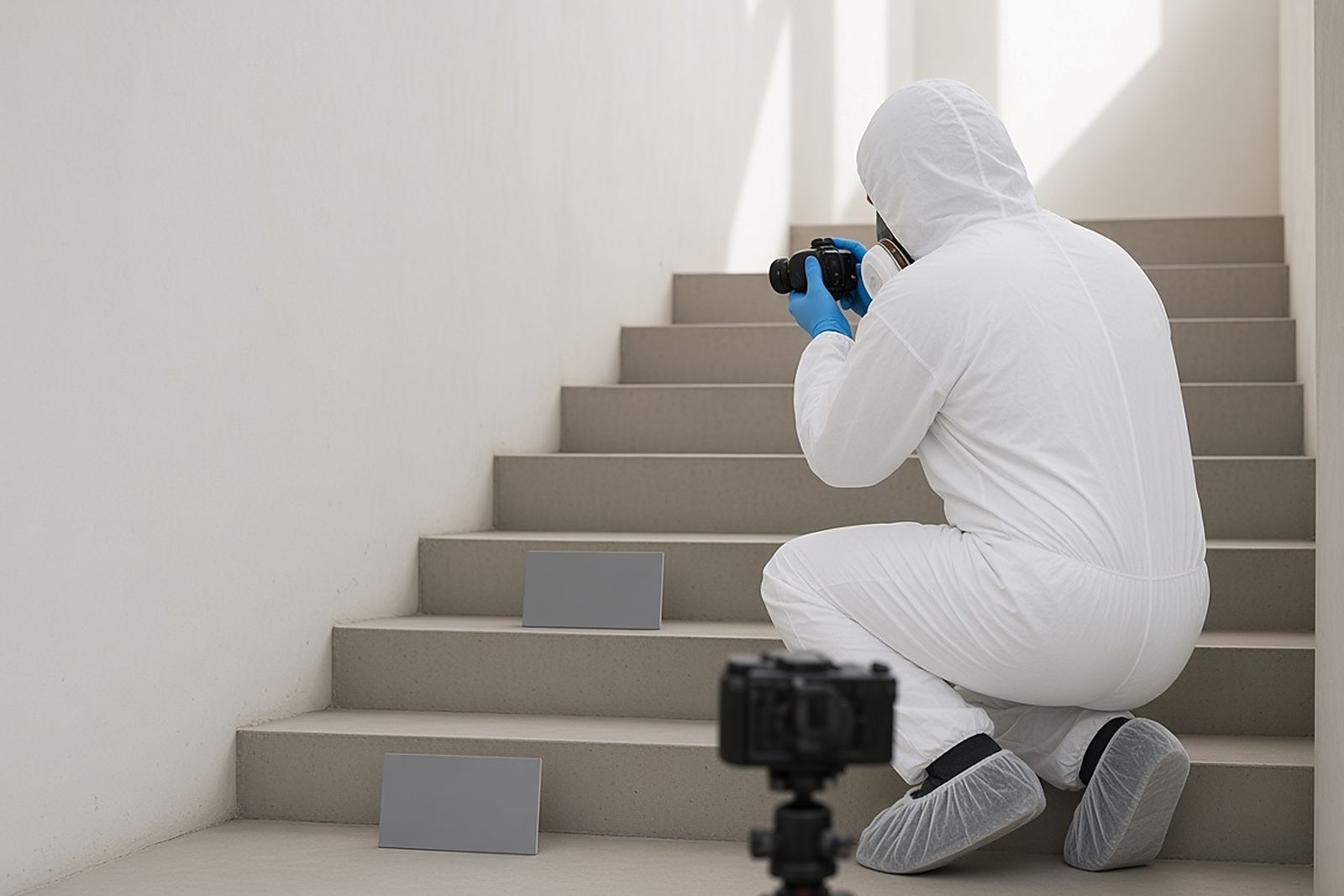
DIY vs Professional Homicide Cleanup: The Critical Differences
Why families should hand homicide cleanup to trained crews: hidden spread, bloodborne risk, evidence questions, waste rules, records and the lasting toll.
Once police release a home, families are often free to clean it themselves, but the critical differences favor professionals. Trained crews find material that traveled beyond the obvious area, remove what soaked into flooring and walls, disinfect correctly, manage regulated waste and produce records for insurers and victim compensation. Most importantly, they spare you prolonged contact with the place your loved one was killed. There are safer ways to help.
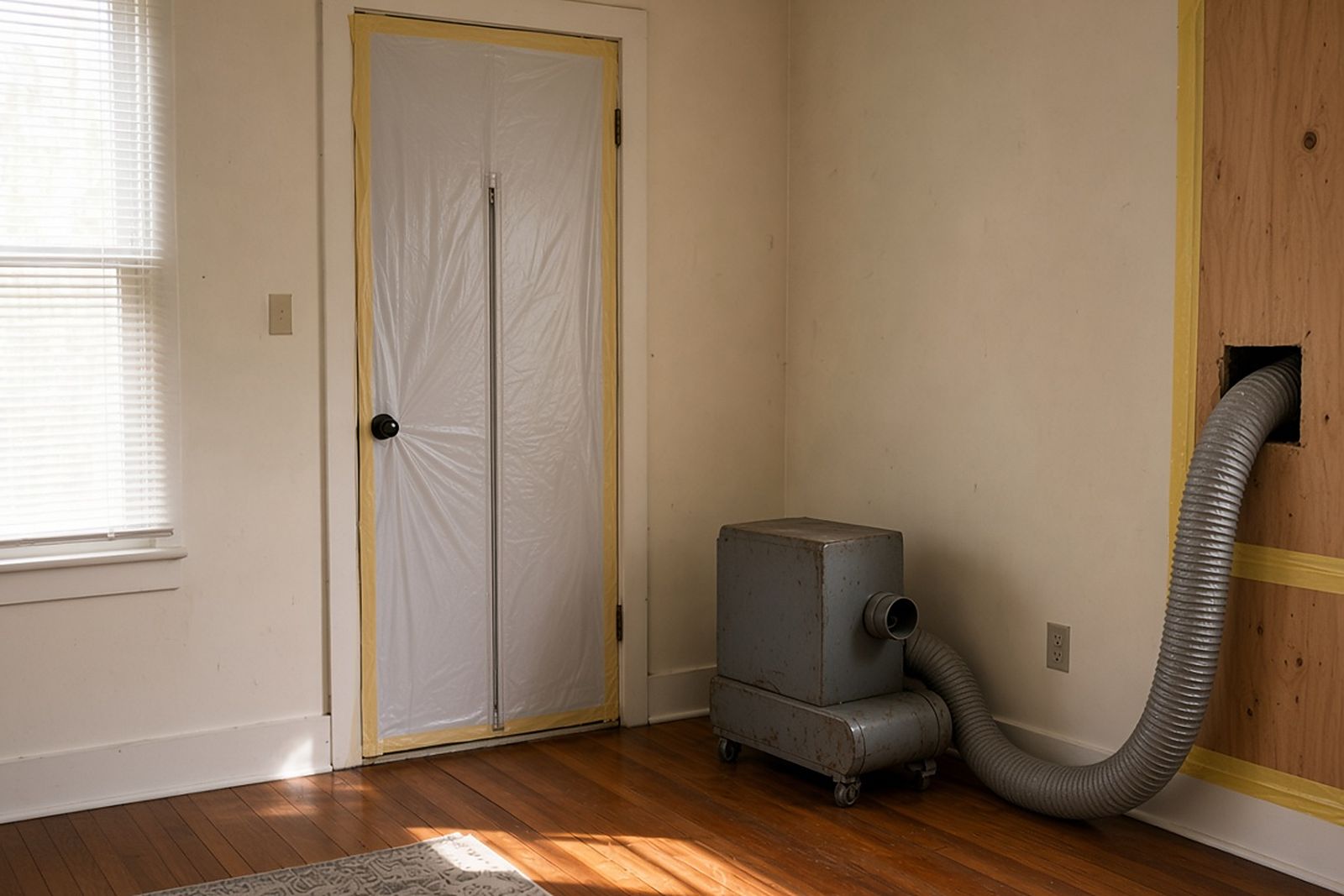
10 Homicide Cleanup Safety Risks to Assess Before Work Begins
Ten homicide cleanup risks to weigh before work starts, from pathogens and hidden spread to evidence questions, site security, public attention and trauma.
Before homicide cleanup begins, a provider should assess ten risks: bloodborne pathogens, contamination beyond the obvious area, changes during the investigation hold, sharps and damaged materials, forensic residue, airborne dust and odor, hazards inside walls and floors, items that may matter to the case, site security and public attention, and psychological trauma. Each should be named in the walkthrough and matched to a written control.
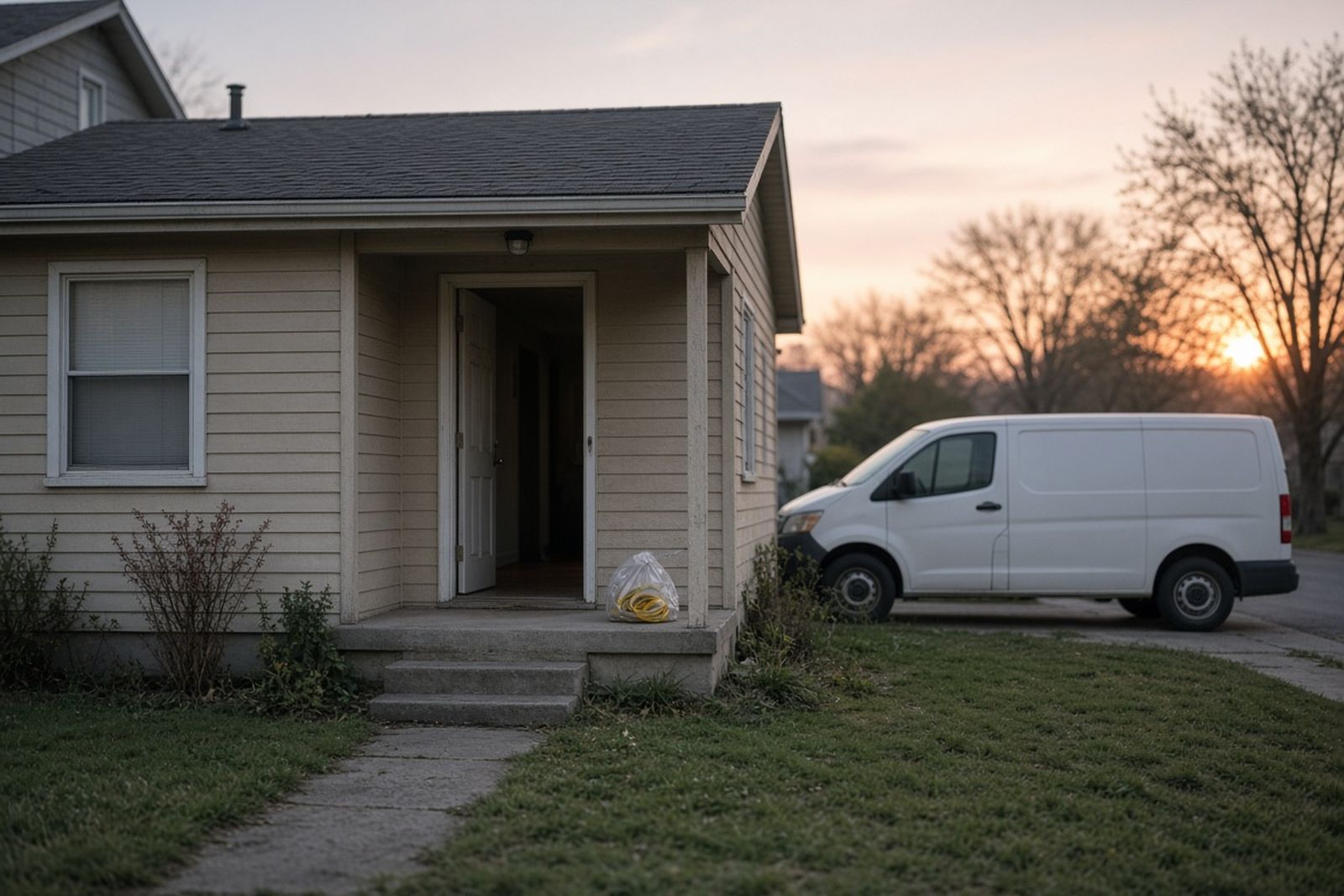
PPE Planning for Homicide Cleanup: Start With the Hazard Assessment
How homicide cleanup crews plan protective equipment from a written hazard assessment, covering blood volume, sharps, forensic residue and long-sealed rooms.
Homicide cleanup PPE is planned after a hazard assessment of the released scene. The crew lead evaluates how much blood is present and where it traveled, whether it has dried, broken glass or damaged fixtures, forensic residues left by investigators, planned demolition and ventilation. Those findings set glove layers, suits, eye and face protection, footwear and respirator use for each task and room.
Sourced figures on safety
- 74.2%
Firearms were used in 74.2% of U.S. murders for which weapon data was reported in 2024.
Read with care: FBI estimates are based on data from 16,675 agencies covering 95.6% of the U.S. population; expanded homicide details cover only victims with supplemental data reported.
Source: FBI (2024)United States, 2024, murders with weapon data
- 41.9%
NVDRS recorded 22,395 homicides in 2022, and 41.9% of them occurred in a house or apartment.
Read with care: NVDRS links death certificates, coroner/medical examiner and police reports; 2022 is the first year with all 50 states, and location is recorded for the injury site, not always the residence of the decedent.
Source: CDC (2022)United States, 50 states, DC and Puerto Rico, 2022
- 40.4%
In 2021, 40.4% of NVDRS-recorded homicides took place in a house or apartment and firearms were used in 79.9%.
Read with care: Earlier year than the 2022 summary; use as a trend comparison only.
Source: CDC (2021)United States, 48 states, DC and Puerto Rico, 2021, covering 86.5% of violent deaths
These figures are public research and agency data, not this network's own job records. Keep each number with its population, year and limits; none of them predicts cost, timing or outcome at a specific property.
What research has found
Findings from published studies of people and properties in situations like this one. They describe what researchers observed in a specific group; they are not predictions for your case.
Community gossip made some participants feel scrutinised rather than supported.
Some continued to want support despite reporting positive changes.
Safety: common questions
Is it safe to go inside briefly to collect a wallet or important papers after release?
A short, careful trip in may be possible if the items are far from any affected area. But it is wiser to ask the provider to get them for you, or to walk you in wearing protective gear. Contamination is not always visible. Investigation powders can bother your skin and lungs. If you do go in, avoid touching surfaces and wear gloves. Do not bring children or pets.
Could the scene affect people living in neighboring units?
It can. This is most likely when fluids travel through shared floors, or when odors move through a shared air system. A responsible provider seals off the work area. It may also use air filters and plastic walls that keep dust inside the work area, so particles and smells do not spread. Building management should be told what work is planned. Then neighbors can be told quietly, and shared systems can be protected during the job.
Why do technicians wear full protective suits even for a small area?
Violent scenes can leave splatter on walls and ceilings. Removing materials can stir particles into the air. Sharp debris can be hard to see. Suits, gloves, eye protection, and respirators lower the chance of exposure through the skin, eyes, or breathing. The same gear also keeps workers from carrying contamination into clean parts of the home or out to their vehicles.
Are the safety articles meant for families or for cleanup workers?
They are written for families and property owners. They explain the dangers a provider should plan for. That way you can understand the safety steps you see and ask informed questions. They are not training material for workers. If you are thinking about doing any cleanup yourself, the articles explain why professional help is strongly advised. They also describe safer ways you can help.
What safety steps can the family take while waiting for a provider?
Keep the affected area closed. Keep children and pets away. Avoid touching or moving items near the scene, and lock up the property against unwanted visitors. If you must go in for essentials, ask an officer, advocate, or provider to help. When you first call a provider, mention any concerns, such as broken glass or a strong odor. Then it can plan the right way.
How do safety concerns differ for neighbors in shared buildings?
Neighbors are rarely at physical risk once a scene is sealed off. But odor, shared air systems, and fluid reaching a unit below can raise concerns. The safety articles explain how providers check nearby spaces and control air flow. Property managers can calm residents with short updates. If a neighbor notices odor or staining in their own unit, they should tell the manager right away.
Do safety risks continue after the cleanup crew leaves?
Physical risks should be gone once the provider finishes the work, checks it, and removes the waste. Emotional effects can last much longer, especially when you return to the home. Some safety worries may also remain, such as doors that do not lock or fears about people connected to the event. The safety and wellness articles both cover what to do if these concerns continue after the work is done.
Related community polls
Every count is a real visitor vote; nothing is seeded or padded. One vote per poll per device, and you can change your answer.
What was hardest to arrange after the scene was released?
When did you first learn that a victim compensation program might help?
More on homicide cleanup
Homicide Cleanup services
Learn what homicide cleanup involves for families, estates, and landlords. Topics range from sealing off several rooms to lists of belongings and final records.
Costs explained
What drives the price, published cost ranges, and how to read a written quote line by line.

Insurance and payment
Which policies may respond, how to document a claim, and what to do if coverage is denied.
Planning tools
Planners, checklists, and organizers for the weeks after a homicide. They cover police holds, estate authority, landlord duties, and victim compensation.
Community polls
Shared experience from families, advocates, and landlords on what was hardest after a homicide and what help mattered.
Knowledge quiz
A calm review of police holds, authority, sealing off work areas, disinfecting, waste, and records. The study guide is written for grieving families and the people helping them.