Homicide Cleanup: Regulations
How to identify the worker-safety, waste, transport, environmental, and local rules that may apply to homicide cleanup. Confirm jurisdiction-specific requirements with the issuing authority.
The regulations category explains the rules that often apply to a homicide property. It is also clear that the details depend on where the home is. Posts describe workplace safety rules that tell employers how to protect workers from germs carried in blood. They explain how regulated waste is usually sorted and moved. They cover how the investigating agency's release controls when work can start. Articles also cover estate and rental questions. For example, who may approve removing a person's belongings after death? What duties might a landlord have to anyone still living there?
Get an email reply about homicide cleanup
Send a short message to the follow-up inbox. A coordinator can reply by email. This form does not send emergency help; call 911 first if anyone is in danger.
Knowing the general setup helps you ask a provider or official the right questions instead of guessing. State and county rules can differ a lot. So these posts do not quote exact limits. Instead, they show you where to look and whom to ask. This protects you from outdated claims online. It also protects you from companies that loosely quote rules to justify extra charges or shortcuts.

OSHA Regulations and Homicide Cleanup
How OSHA rules protect the technicians who restore a home after a homicide, what they require of employers, and what grieving families can fairly ask.
OSHA standards apply to the company doing homicide cleanup, not to the family. The Bloodborne Pathogens Standard governs how crews handle blood, contaminated materials and sharps, and it defines regulated waste. Rules on respirators, general protective equipment and chemical hazards also apply. Families can ask a provider to confirm training, equipment and records without learning technical detail or reliving the scene.
Which Federal, State, and Local Rules Apply to Homicide Cleanup?
Which federal, state and local rules shape homicide cleanup, from police release and victim compensation to OSHA, DOT and state medical waste programs.
Homicide cleanup sits under several layers of rules. Law enforcement decides when the scene is released. OSHA or a state plan protects the crew, and federal DOT rules govern waste transport. States control most medical waste handling and may register cleanup businesses, while local health and building offices can add requirements. State victim compensation programs set their own documentation rules for any reimbursement.

How to Research Waste Rules for Homicide Cleanup
How to research the waste rules that apply after a homicide cleanup: separating evidence from waste, finding your state program and checking disposal records.
To research homicide cleanup waste rules, first confirm with investigators which items are evidence and which the family controls. Then look up your state's medical waste program, since federal EPA oversight ended in 1991. Check transporter registration, packaging and tracking requirements and local landfill rules. Ask providers which facility will receive the waste, and request disposal records for your files and any compensation claim.
Sourced figures on regulations
- 61.4%
In 2024, 61.4% of U.S. murder offenses were cleared by arrest or exceptional means, the highest violent-crime clearance rate.
Read with care: FBI estimates are based on data from 16,675 agencies covering 95.6% of the U.S. population; expanded homicide details cover only victims with supplemental data reported.
Source: FBI (2024)United States, 2024, offenses known to law enforcement
- 10 working days
Under 29 CFR 1910.1030, employers must offer the hepatitis B vaccine within 10 working days of assigning a worker to tasks with occupational blood exposure.
Read with care: Applies to employees, not sole proprietors; state-plan states may have equivalent rules.
Source: OSHA (2001)United States, employers covered by the OSHA Bloodborne Pathogens Standard
- $357.5 million
IBISWorld counted nearly 600 U.S. crime-scene cleanup firms with revenues of $357.5 million and profits over $99 million in 2015.
Read with care: Decade-old figure reported secondhand; IBISWorld no longer publishes this niche report publicly.
Source: IBISWorld (reported by The Philadelphia Inquirer) (2015)United States, crime scene cleanup industry, 2015
These figures are public research and agency data, not this network's own job records. Keep each number with its population, year and limits; none of them predicts cost, timing or outcome at a specific property.
What research has found
Findings from published studies of people and properties in situations like this one. They describe what researchers observed in a specific group; they are not predictions for your case.
Caregivers described dealing with services insufficiently prepared for their situation.
Ease of access was central to carers' expectations of useful support.
Regulations: common questions
Is there a single national license for homicide cleanup companies?
There is no single national license just for this work. But employers must follow federal workplace safety rules that protect workers from germs carried in blood. Some states and local areas add their own rules. These can include registration, waste hauling permits, or contractor requirements. Ask a provider which permits apply in your area. Then confirm those answers with the office that issues them. Do not accept a general statement.
Can a landlord begin cleanup before the estate is settled?
A landlord usually controls the building itself. But the tenant's belongings may belong to the estate, and removing them without the right to do so can lead to disputes. The investigating agency's release must still come first. Landlord-tenant and probate rules vary widely. So before throwing away personal property, a landlord should talk with a lawyer or local housing office about notice and storage duties.
Do rules about regulated waste apply to a private home?
Homes are sometimes treated differently from businesses. But once a professional company removes soiled materials, workplace and transport rules usually apply to that company. How the material must be packed and where it can go depends on state and local definitions. A provider should be able to explain where its waste goes. It should also show you the paperwork once the materials leave.
Will these regulation articles tell me exactly which rules apply in my state?
They explain the general layers of rules and how to look up your own state's rules. But they cannot list every local rule, and those rules change over time. Use them as a map of where to look. Places to check include your state health or environmental agency, the workplace safety agency, and your victim compensation program. A provider with experience in your area should also be able to explain what applies locally.
Do I need to follow any regulations myself as a homeowner?
Most rules about protecting workers and packing and moving waste apply to the company doing the work. Homeowners usually need to confirm release, approve the work, tell insurers, and keep records. If you rent the property out, landlord-tenant rules may also apply. The articles help you see which tasks belong to the provider and which belong to you, so nothing important is missed.
How can regulation knowledge help me choose a provider?
Knowing the basics lets you ask clear questions. Who hauls the waste? What training do workers get? What records will you receive? Providers who follow the rules usually answer those questions easily. Vague answers, or hints that the family should handle the waste, can be warning signs. The regulation articles work well alongside the provider vetting checklist.
What should I do if a rule seems to conflict with what my family wants?
Explain your wishes to the provider and ask how they can be honored within the rules. For example, families often want to keep items that soaked up fluids. The provider may be able to save a small part, photograph the item, or suggest another way to remember it. Rules usually exist to protect people's health. Still, caring providers can often find respectful options.
Related community polls
Every count is a real visitor vote; nothing is seeded or padded. One vote per poll per device, and you can change your answer.
What was hardest to arrange after the scene was released?
When did you first learn that a victim compensation program might help?
More on homicide cleanup
Homicide Cleanup services
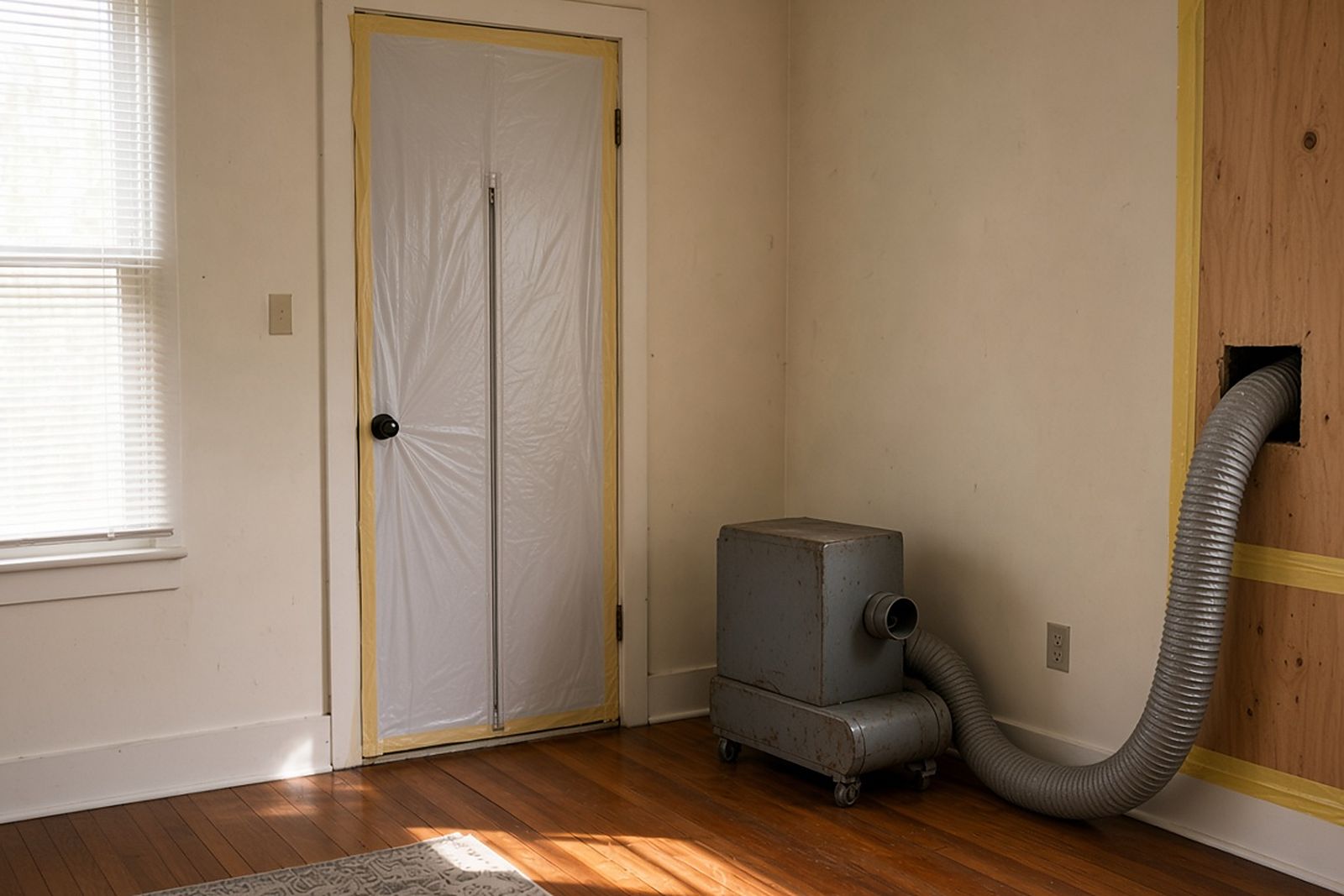
Learn what homicide cleanup involves for families, estates, and landlords. Topics range from sealing off several rooms to lists of belongings and final records.
Costs explained
What drives the price, published cost ranges, and how to read a written quote line by line.
Insurance and payment
Which policies may respond, how to document a claim, and what to do if coverage is denied.
Planning tools
Planners, checklists, and organizers for the weeks after a homicide. They cover police holds, estate authority, landlord duties, and victim compensation.
Community polls
Shared experience from families, advocates, and landlords on what was hardest after a homicide and what help mattered.
Knowledge quiz
A calm review of police holds, authority, sealing off work areas, disinfecting, waste, and records. The study guide is written for grieving families and the people helping them.